НАСЛЕДСТВЕННАЯ МОТОРНО-СЕНСОРНАЯ НЕЙРОПАТИЯ · HMNS · ПЕРОНЕАЛЬНАЯ МЫШЕЧНАЯ АТРОФИЯ
Программа лечения с лабораторным контролем, направленная на поддержку функции периферических нервов, замедление прогрессирующей мышечной атрофии и уменьшение нейропатических симптомов — с учётом индивидуальной биологии, подтипа ШМТ и клинического профиля каждого пациента.
Запросить медицинскую консультациюО заболевании
Болезнь Шарко–Мари–Тута (ШМТ) — наиболее распространённая наследственная периферическая нейропатия, встречающаяся примерно у 1 из 2 500 человек во всём мире. Она объединяет группу генетических заболеваний, повреждающих периферические нервы — нервы, по которым передаются двигательные команды и сенсорная информация между головным мозгом, спинным мозгом и конечностями.
ШМТ прогрессивно нарушает миелиновую оболочку (изолирующий слой вокруг нервов) или сами аксоны в зависимости от подтипа. Это приводит к дистальной мышечной слабости и атрофии — как правило, начиная со стоп и голеней, затем распространяясь на кисти. Сенсорные нарушения, снижение рефлексов, деформации стоп и хроническая нейропатическая боль являются типичными проявлениями.
Поскольку ШМТ вызвана наследственными генетическими мутациями, устранить генетический дефект с помощью современных клинических методов невозможно. Однако нижестоящие последствия — демиелинизация нервов, дегенерация аксонов, дисфункция клеток Шванна и прогрессирующая мышечная атрофия — представляют собой биологические процессы, на которые можно воздействовать терапевтически. Именно на эти механизмы направлена наша программа.
ШМТ тип 1 (демиелинизирующий)
Наиболее распространённая форма, составляющая около 60–70% всех случаев ШМТ. Обусловлена мутациями, поражающими миелиновую оболочку, — чаще всего дупликацией гена PMP22 (ШМТ1А). Скорость нервной проводимости значительно снижена. Дебют обычно в первом или втором десятилетии жизни. Прогрессирование, как правило, медленное, но неуклонное.
ШМТ тип 2 (аксональный)
Составляет около 20–25% случаев. Миелиновая оболочка относительно сохранна, но сами аксоны дегенерируют. Скорость нервной проводимости близка к норме, однако амплитуда сигнала снижена. Нередко дебютирует позже, чем ШМТ1, и может прогрессировать более вариабельно. Ассоциирован с мутациями в MFN2 и других генах.
ШМТХ (Х-сцепленный)
Вторая по частоте форма в целом, обусловленная мутациями в гене GJB1 (коннексин-32) на Х-хромосоме. Мужчины поражаются тяжелее, чем женщины. Клинические особенности перекрываются между демиелинизирующим и аксональным вариантами. У ряда пациентов описано вовлечение центральной нервной системы (транзиторные изменения белого вещества).
ШМТ тип 4 (аутосомно-рецессивный)
Группа редких, нередко тяжёлых форм с аутосомно-рецессивным наследованием. Дебют обычно в раннем детстве с быстрым прогрессированием. К второму десятилетию жизни, как правило, развивается выраженная двигательная инвалидность. Вовлечены множественные гены. Более распространён в популяциях с высоким уровнем кровнородственных браков.
Наша программа индивидуально адаптируется для всех подтипов и всех стадий прогрессирования.
Важно: Каждый пациент принимается в программу только после комплексной индивидуальной медицинской оценки, включающей генетический диагноз, подтип ШМТ, данные нервной проводимости, текущий функциональный статус и общий клинический профиль.
Программа BioCells
Наша программа при ШМТ объединяет пять биологических компонентов в единый персонализированный протокол. Два протокола не бывают одинаковыми — каждый разрабатывается после детальной медицинской оценки генетического диагноза пациента, профиля нервной проводимости, стадии заболевания и клинических приоритетов.
Минимально инвазивные методы введения
Лечение проводится путём внутривенной инфузии или таргетной регионарной инъекции — без хирургических инструментов.
Без общего наркоза
Весь протокол проводится под местной анестезией или без анестезии, что исключает излишний системный риск.
Нет риска иммунного отторжения
МСК обладают иммунопривилегированным статусом: они экспрессируют низкий уровень HLA-I, не имеют HLA-II и несут минимальный риск отторжения как при аутологичном, так и при аллогенном применении. Аллогенные МСК-протоколы не требуют иммуносупрессии.
Воздействие на нижестоящее повреждение нервов, а не на мутацию
ШМТ является генетическим заболеванием — мы не можем изменить генетический дефект. Наш протокол направлен на биологические последствия: демиелинизацию, дегенерацию аксонов, дисфункцию клеток Шванна и хроническое воспаление, обусловливающие функциональное снижение.
Совместимость с существующим лечением
Наша программа совместима с ортопедическими изделиями, физиотерапией и препаратами для управления болью. Пациентам не нужно прекращать существующие вмешательства перед началом нашего протокола.
Пациенты со всего мира
Мы работаем с пациентами со всего мира. Трансферы из аэропорта, проживание, визовая поддержка и многоязычное сопровождение включены в каждую программу лечения.
Что это
T-рег — специализированные иммунные клетки, естественным образом подавляющие избыточные воспалительные реакции. Они играют ключевую роль в предотвращении коллатерального повреждения ткани периферических нервов иммунной системой.
Как это делается
Вводятся аутологично (из крови пациента) или аллогенно (от сертифицированного донора) в зависимости от иммунного профиля и клинической оценки пациента. Подготовка и контроль качества проводятся в нашей лаборатории.
Биологические механизмы
Как это помогает при Что такое болезнь Шарко–Мари–Тута
Хотя ШМТ является преимущественно генетическим заболеванием, хроническое повреждение нервов запускает вторичные воспалительные каскады, которые дополнительно нарушают нервную функцию. T-рег помогают ограничить этот иммуноопосредованный компонент, снижая дополнительную потерю нервных волокон и сохраняя функцию частично интактных нервов.
Ваша врачебная коллегия
Точная комбинация, дозировка, последовательность и способ введения всех пяти компонентов определяются индивидуально нашим медицинским советом для каждого пациента. Два протокола лечения не бывают одинаковыми. Ваша программа составляется на основе конкретного генетического диагноза, подтипа ШМТ, данных нервной проводимости, стадии заболевания и клинических приоритетов.
Ваш протокол разрабатывается индивидуально. Свяжитесь с нашей медицинской командой, чтобы узнать, что будет включать Ваша персонализированная программа.
Запросить консультациюПуть пациента
Ваш случай дистанционно рассматривается нашей командой врачей. Мы оцениваем Ваш генетический диагноз, текущий балл CMTNS, данные нервной проводимости, историю болезни и терапевтические цели. Консультация бесплатна и ни к чему не обязывает.
Детальный анализ всей медицинской документации, включая результаты генетического тестирования и заключения электрофизиологических исследований. Наш медицинский совет оценивает показания, подтверждает параметры безопасности и разрабатывает Ваш персонализированный терапевтический протокол.
Ваши клетки забираются, изолируются, культивируются и проходят контроль качества в нашей лаборатории. Каждая партия получает полный сертификат прослеживаемости. Этот этап обычно занимает 2–3 недели.
Клетки вводятся путём внутривенной инфузии или таргетного регионарного введения — без хирургического вмешательства, без общего наркоза. Трансферы из аэропорта, проживание и визовая поддержка включены в программу для международных пациентов.
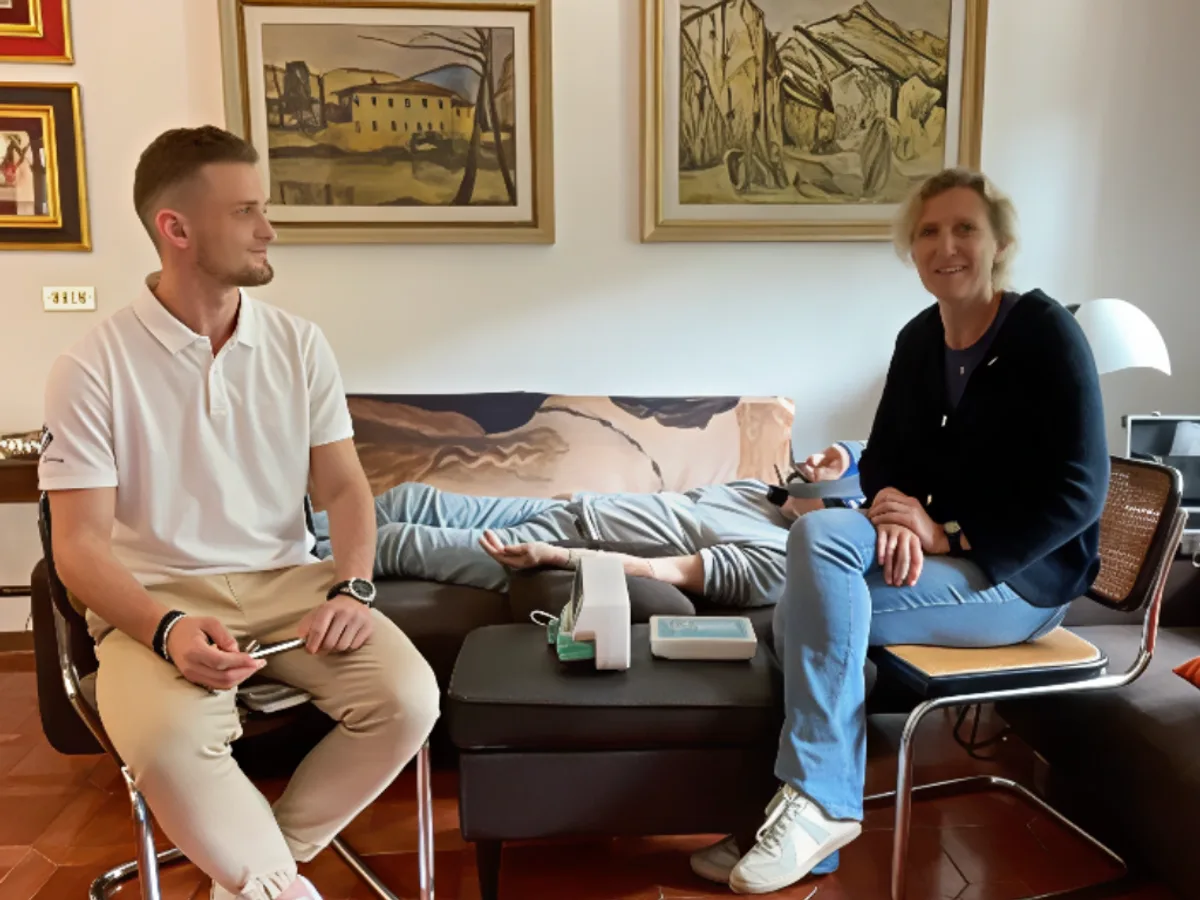
Структурированные реабилитационные сеансы с нашим специалистом, с акцентом на тренировку походки, укрепление дистальных мышц, проприоцептивные упражнения и управление болью. Доступны в нашей клинике или дистанционно в координации с Вашей местной физиотерапевтической командой.
Ваш личный координатор отслеживает функциональный статус, параметры нервной проводимости и обеспечивает клиническое руководство. Медицинский браслет обеспечивает непрерывный мониторинг здоровья независимо от Вашего местонахождения.
Первый шаг — бесплатно. Запросите медицинскую консультацию, и наш медицинский консультант свяжется с Вами в течение 24 часов.
Запросить консультациюПрофиль безопасности
Клеточная терапия считается безопасной при правильном медицинском контроле и соблюдении валидированных протоколов. В нашей практике процедура хорошо переносится большинством пациентов с ШМТ.
Временные лёгкие реакции — например, преходящий местный дискомфорт в месте инфузии, лёгкая усталость или субфебрильная температура — могут наблюдаться у небольшого числа пациентов. Как правило, они кратковременны и свидетельствуют об активном биологическом ответе.
Перед каждым сеансом лечения на месте проводится финальная медицинская оценка. При изменении статуса пациента программа может быть временно скорректирована или отложена по соображениям безопасности.
Все противопоказания оцениваются индивидуально. Противопоказание в одном клиническом контексте не означает автоматического запрета на лечение в другом контексте — это всегда определяется врачом.
Стандартные противопоказания
Активная острая инфекция или лихорадка
Активное злокачественное новообразование или проводимая химио-/лучевая терапия
Тяжёлая декомпенсированная сердечная или почечная недостаточность
Беременность
После лечения
Специалист по реабилитации
контролирует моторную функцию, сенсорный статус, качество походки и уровень боли
Персонализированная программа реабилитации
с акцентом на укрепление дистальных мышц, тренировку равновесия и функциональную мобильность
Медицинский носимый мониторинг
непрерывный сбор физиологических данных для поддержки клинических решений
Длительная поддержка координатора
активные контрольные звонки, клиническое руководство и реагирование на изменения статуса
Постоянный клинический доступ
наша медицинская команда остаётся доступна для текущей переоценки и корректировки протокола
Регенерация периферических нервов по своей природе медленна — биология требует длительного времени, последовательного наблюдения и итеративной корректировки. Период после лечения имеет такое же медицинское значение, как и само лечение.
Истории пациентов
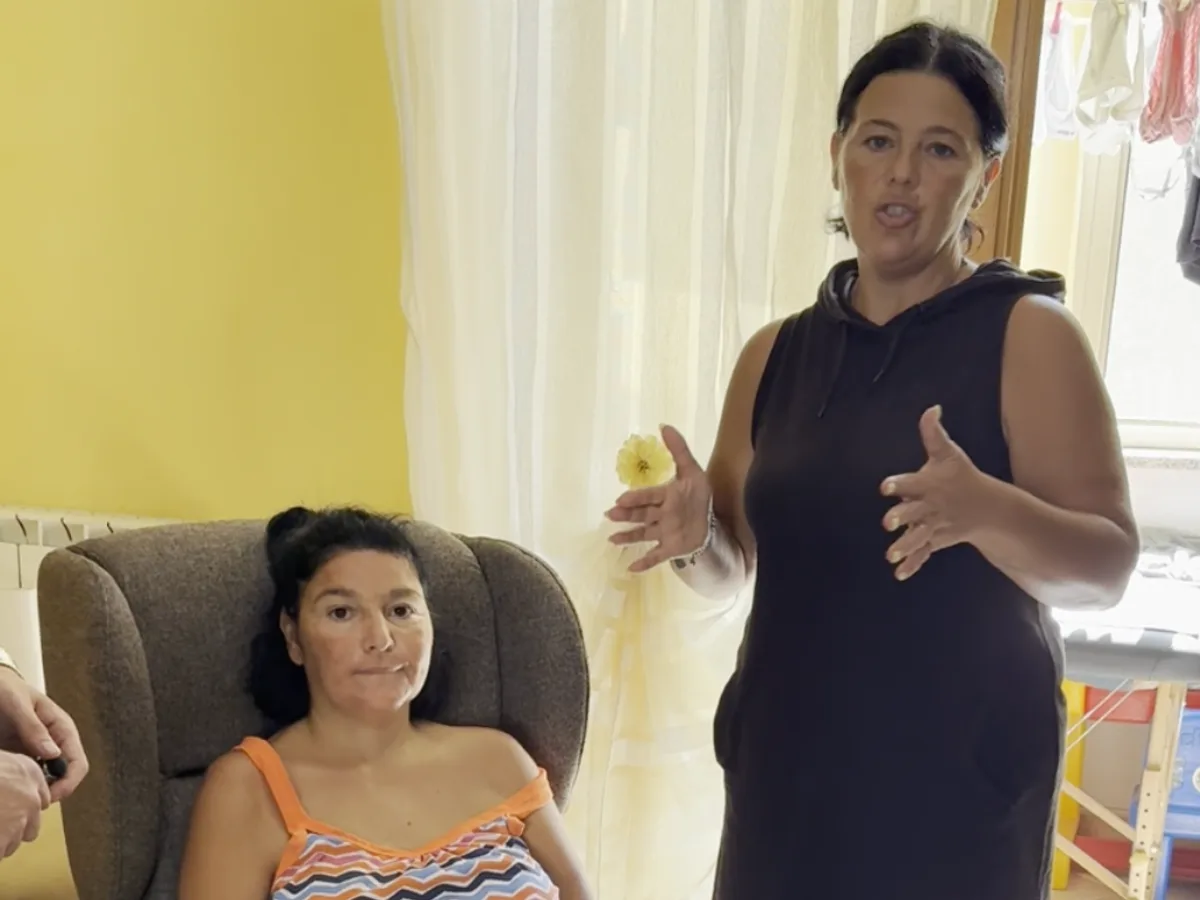
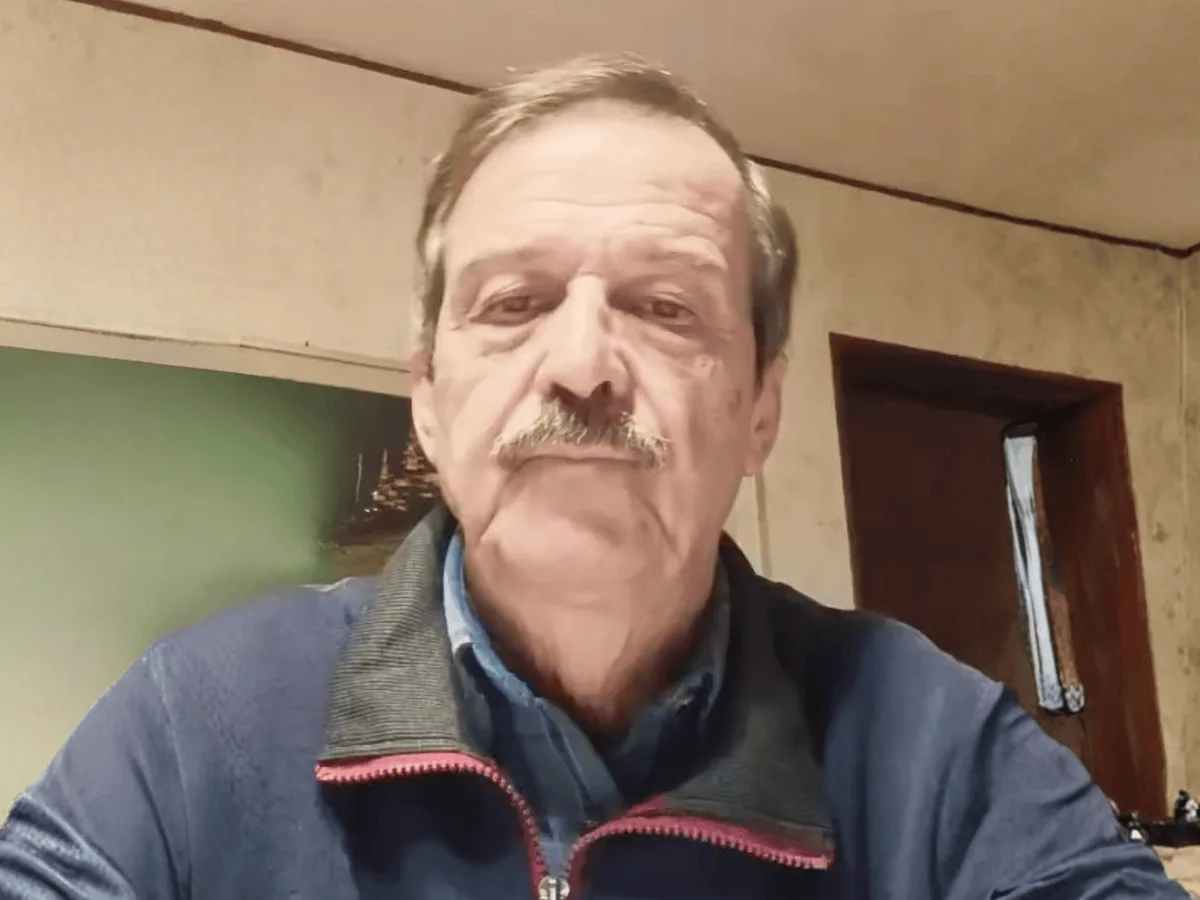
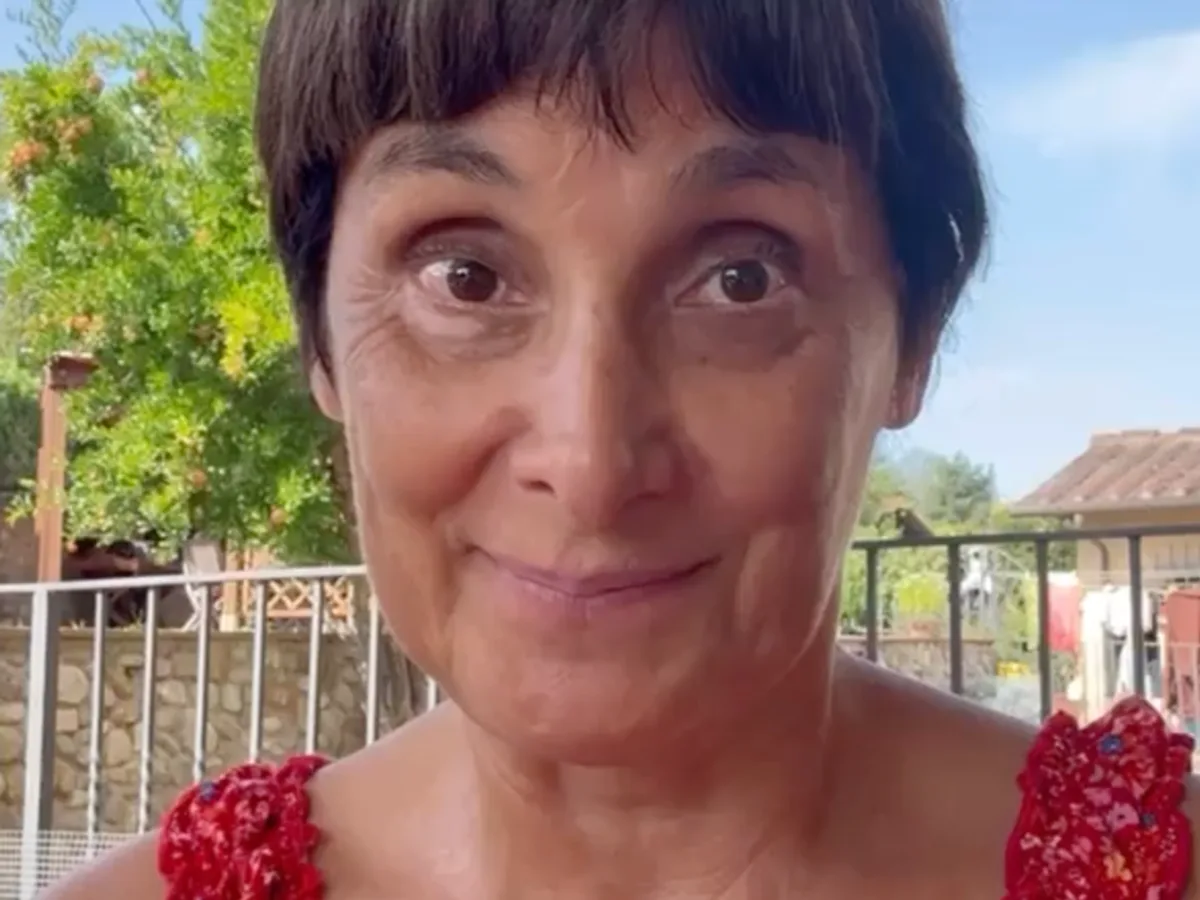
“Я не мог держать ручку. Чашки несколько раз в день выскальзывали из рук. После программы сила захвата вернулась достаточно, чтобы снова писать и нести кофе не задумываясь. Мой невролог в Лионе измерил улучшение и подтвердил его реальность.”
Пациент
ШМТ1А · Франция
Каждый случай оценивается индивидуально нашей командой врачей. Запросите консультацию для обсуждения Вашей конкретной ситуации.
Запросить консультациюКлинические наблюдения
Результаты лечения, зафиксированные командой BioCells Medical после проведения персонализированных протоколов регенеративной медицины.
Начать
Если Вы или кто-то из Ваших близких получил диагноз болезни Шарко–Мари–Тута, наша медицинская команда готова провести бесплатную консультацию без каких-либо обязательств — на основе Вашего генетического диагноза, текущего функционального статуса и индивидуального клинического профиля.
Мы лично рассматриваем каждое обращение. Вы будете говорить с врачом, а не с администратором.
Отправьте заявку онлайн или по телефону
Медицинский консультант свяжется с Вами для изучения документов
Врачебный консилиум представит персонализированную программу лечения
Запросить консультацию
Расскажите нам о Вашем заболевании. Наш медицинский консультант свяжется с Вами в течение 24 часов для изучения документов.
Открыть форму консультацииМногоязычная координация — английский, итальянский, французский, русский, польский
Доказательная база
Наш клинический подход основан на опубликованных исследованиях в области регенеративной медицины и соответствует им.