DISC DEGENERATION · HERNIATED DISC · LUMBAR · CERVICAL · THORACIC
A physician-led, laboratory-verified treatment programme targeting disc degeneration at the cellular level — designed to reduce pain, restore spinal function and support disc tissue repair without surgical intervention.
Request Medical ConsultationAbout the Condition
Degenerative Disc Disease (DDD) is a condition in which the intervertebral discs — the cartilaginous structures that separate and cushion the vertebrae — progressively lose hydration, structural integrity and shock-absorbing capacity. Despite the name, DDD is not strictly a disease but a clinical syndrome driven by age-related disc deterioration, mechanical overload and chronic low-grade inflammation.
As discs dehydrate and thin, the nucleus pulposus shrinks and the annulus fibrosus weakens. This results in reduced disc height, altered spinal biomechanics, nerve root compression and chronic pain. In advanced cases, disc herniation, osteophyte formation and secondary facet joint degeneration further compromise spinal function.
DDD is one of the most common causes of chronic low back and neck pain worldwide. Conventional management typically includes analgesics, physical therapy and, in severe cases, spinal fusion or disc replacement surgery. Our programme offers a biological alternative — targeting the degenerative process at the cellular and molecular level.
Lumbar DDD
The most common presentation, affecting the L4-L5 and L5-S1 segments. Characterised by chronic low back pain, reduced lumbar range of motion, and in many cases radiating leg pain due to nerve root compression. Frequently associated with prolonged sitting, mechanical overload and repetitive strain.
Cervical DDD
Affects the cervical spine, most frequently C5-C6 and C6-C7 segments. Presents with neck pain, stiffness, headaches and potential upper extremity radiculopathy. May cause referred shoulder and arm pain. Progression can lead to cervical myelopathy with neurological compromise.
Multi-level DDD
Degeneration affecting three or more disc levels simultaneously. Typically presents with diffuse axial pain, significant loss of spinal mobility and complex biomechanical dysfunction. Surgical options become increasingly limited as the number of affected levels increases — making biological therapy particularly relevant.
DDD with Disc Herniation
Degenerative disc disease complicated by focal disc herniation — protrusion or extrusion of nucleus pulposus material through a weakened annulus fibrosus. Causes acute or chronic radiculopathy through direct nerve root compression and chemical irritation from inflammatory disc material.
Our program is individually adapted for all subtypes and all stages of progression.
Important: Each patient is accepted into the programme only after a comprehensive individual medical assessment, including review of spinal MRI, pain mapping, neurological examination and overall clinical profile.
The BioCells Program
Our DDD programme combines five biological components into a single personalised protocol. Each protocol is constructed following a detailed medical evaluation of the patient's spinal imaging, pain profile, biomechanical assessment and clinical priorities.
Minimally invasive administration
Treatment is delivered by targeted injection and intravenous infusion — not by open surgery, spinal fusion or artificial disc implantation.
No general anaesthesia
All procedures are performed under local anaesthesia and imaging guidance. Patients are awake and comfortable throughout.
No risk of immune rejection
MSCs are immunoprivileged: they express low levels of HLA-I, lack HLA-II and carry a minimal risk of rejection whether the protocol is autologous or allogeneic. Allogeneic MSC protocols do not require immunosuppression.
Targets the underlying biology, not just symptoms
Rather than masking pain with analgesics or bypassing the disc surgically, our protocol targets inflammation, matrix degradation and cellular depletion — the biological drivers of disc degeneration.
Complements existing treatment
Our programme is compatible with ongoing physiotherapy, pain management and any current medication. Patients do not need to discontinue existing treatment before commencing our protocol.
Patients from around the world
We work with patients from around the world. Airport transfers, accommodation, visa support and multilingual coordination are included in every treatment programme.
What It Is
T-regs are specialised immune cells that suppress destructive inflammatory processes. In the context of disc degeneration, they address the chronic low-grade inflammation that sustains the degenerative cycle and sensitises surrounding nerve roots.
How It Is Done
Delivered autologously (from the patient's own blood) or allogeneically (from a certified donor), based on the patient's immune status and clinical assessment. Preparation and quality testing performed in our laboratory.
Biological Mechanisms
How This Helps in Degenerative Disc Disease
Degenerative discs harbour elevated levels of pro-inflammatory cytokines — TNF-α, IL-1β, IL-6 — which perpetuate matrix breakdown and sensitise adjacent nerve roots. T-regs directly counteract this inflammatory cascade, reducing both the biological driver of degeneration and the chemical component of pain.
Your Medical Board
The exact combination, dosage, sequencing and delivery method of all five components is determined individually by our medical board for each patient. No two treatment protocols are identical. Your programme is constructed based on your specific spinal imaging, affected levels, pain profile, biomechanical assessment and clinical priorities.
Your protocol is designed individually. Speak with our medical team to understand what your personalised program would include.
Request ConsultationPatient Journey
Your case is reviewed remotely by our physician team. We assess your diagnosis, current spinal imaging, pain severity, functional limitations and treatment goals. This consultation is free and carries no obligation.
A detailed review of all medical documentation including MRI, neurological examination findings and pain history. Our medical board evaluates eligibility, confirms safety parameters and designs your personalised therapeutic protocol.
Your cells are collected, isolated, expanded and quality-tested in our laboratory. Each batch receives a full traceability certificate. This stage typically takes 2–3 weeks.
Cells are delivered by targeted intradiscal injection under imaging guidance and/or intravenous infusion — no open surgery, no general anaesthesia. Airport transfers, accommodation and visa support are included in the programme for international patients.
Structured spinal rehabilitation sessions with our specialist, adapted to your specific disc levels, pain pattern and functional goals. Includes core stabilisation, postural retraining and graduated loading. Available at our clinic or remotely coordinated with your local physiotherapy team.
Your dedicated coordinator monitors pain levels, functional status and MRI changes over time, provides clinical guidance and adjusts recommendations based on your recovery data. A medical-grade wearable bracelet supports continuous health tracking regardless of your location.
The first step is free. Request a medical consultation and our medical consultant will contact you within 24 hours.
Request ConsultationSafety Profile
Cellular therapy is considered safe when delivered under proper medical supervision and according to validated protocols. In our practice, the procedure is well-tolerated by the majority of DDD patients.
Temporary mild reactions — such as transient soreness at the injection site, mild stiffness or low-grade fatigue — may occur in a minority of patients. These are typically short-lived and resolve within 48–72 hours.
A final medical assessment is performed on-site before every treatment session. If a patient's status has changed — including new neurological deficits or signs of cauda equina syndrome — the programme may be temporarily modified or postponed for safety reasons.
All contraindications are evaluated individually. A contraindication in one clinical context does not necessarily preclude treatment in a different context — this is always determined by physician assessment.
Standard Contraindications
Active acute infection or fever
Active malignancy or ongoing chemotherapy / radiotherapy
Severe spinal instability requiring surgical stabilisation
Active systemic bleeding disorder or anticoagulation that cannot be temporarily adjusted
Pregnancy
Post-Treatment
Dedicated spinal rehabilitation specialist
monitors pain levels, mobility and functional recovery
Personalised rehabilitation programme
core stabilisation, postural correction and graduated return to activity
Medical-grade wearable monitoring
continuous physiological data collection supporting clinical decision-making
Long-term coordinator support
proactive check-ins, clinical guidance and response to any changes in status
Continued clinical access
our medical team remains available for ongoing reassessment, follow-up imaging review and protocol adjustment
Disc tissue repair is a slow biological process. The avascular nature of intervertebral discs means that cellular and matrix changes develop gradually over weeks and months. Structured rehabilitation and activity modification during this period are essential to support the biological repair process and protect the treated segments.
Patient Stories
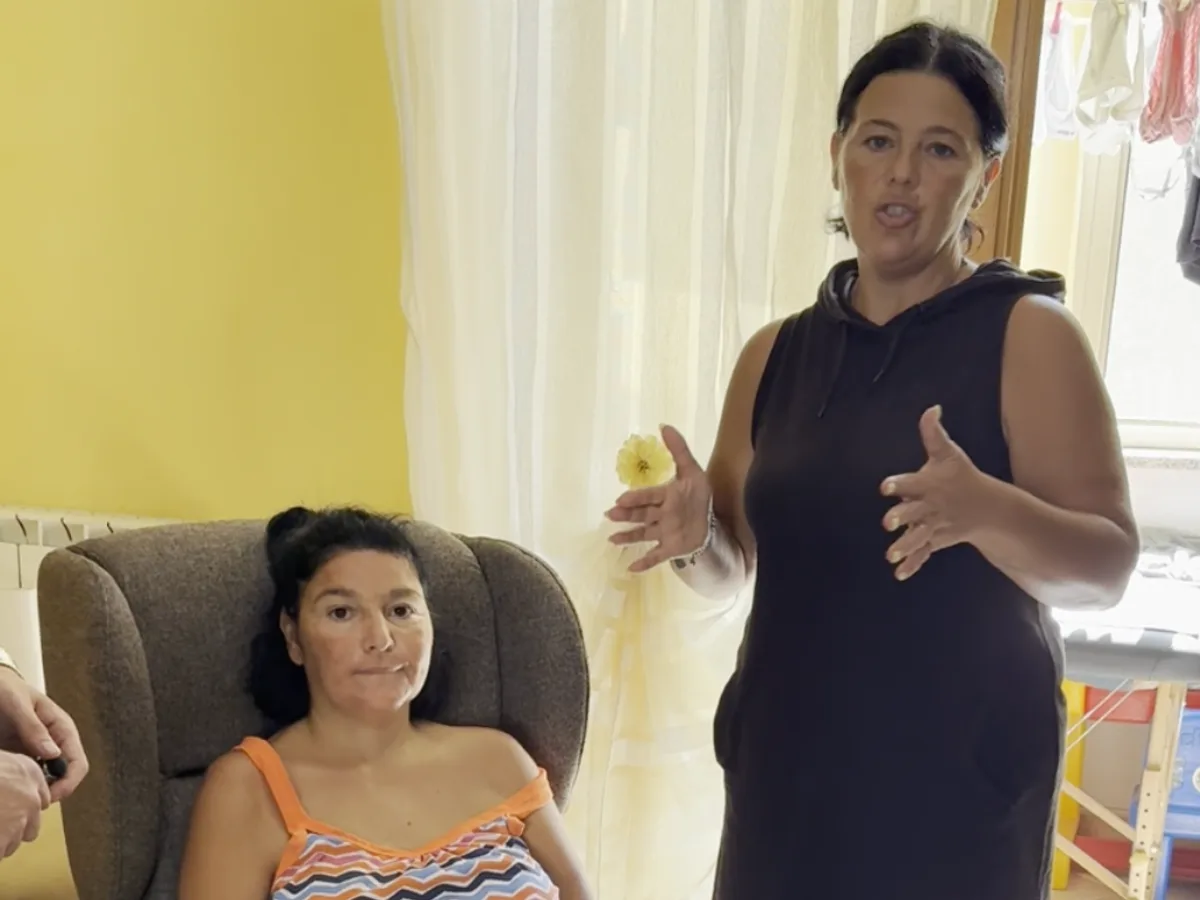
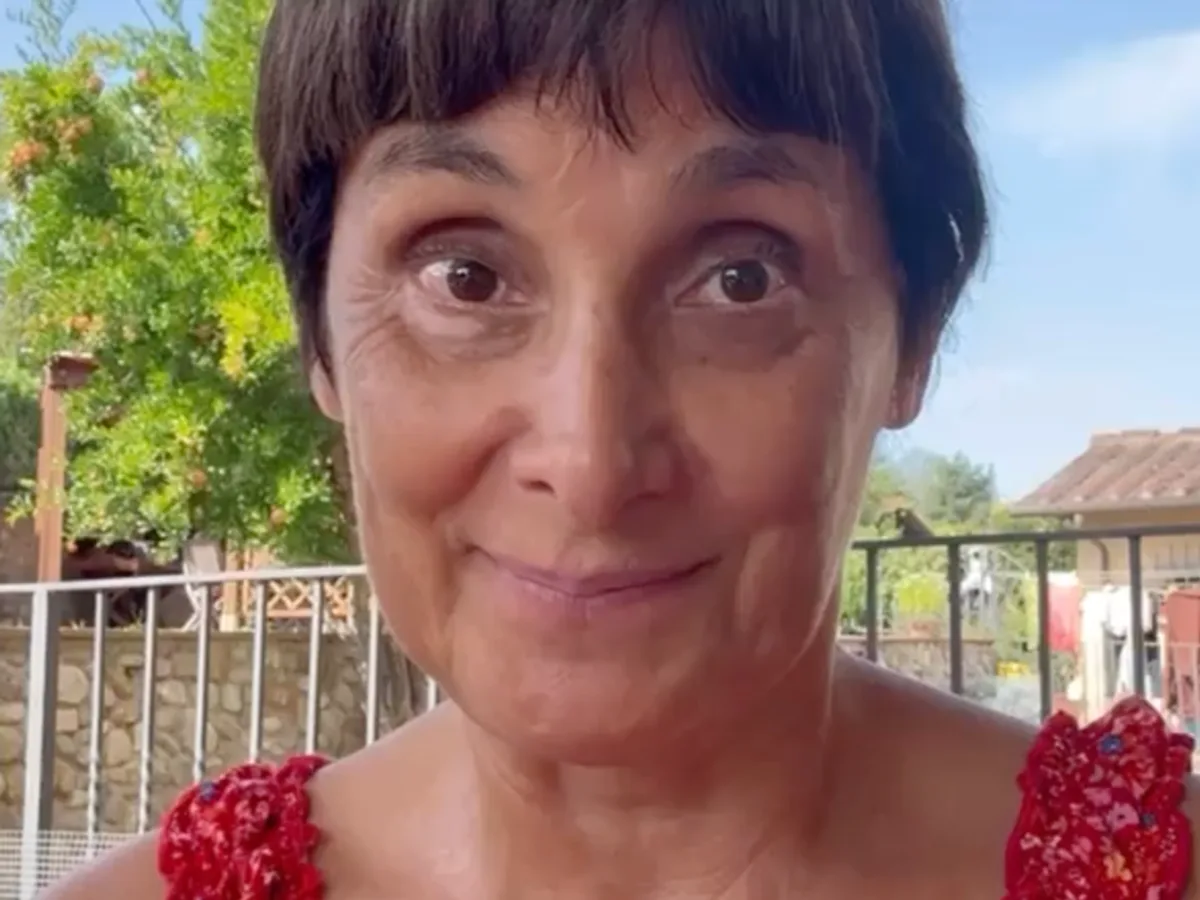
“Eight years of lower back pain. Three surgeons told me fusion was the only option. After treatment, the pain dropped dramatically within a few months. I can sit through a full workday again without needing to lie down every two hours. Fusion is off the table for now.”
Patient
Lumbar DDD (L4-L5, L5-S1) · Germany
Every case is assessed individually by our physician team. Request a consultation to discuss your specific situation with our physician team.
Request ConsultationPatient Cases
Documented treatment outcomes recorded by the BioCells Medical team after personalised regenerative medicine protocols.
Get Started
If you are living with chronic disc-related pain, our medical team is available for a free, no-obligation medical consultation — based on your diagnosis, spinal imaging and individual clinical profile.
We review every inquiry personally. You will speak with a physician, not an administrator.
Submit your case online or by phone
Our medical consultant contacts you to review your documents
The medical board presents your personalised treatment plan
Request a Consultation
Tell us about your condition. Our medical consultant will contact you within 24 hours to review your documents.
Open Consultation FormMultilingual coordination — English, Italian, French, Russian, Polish
Evidence Base
Our clinical approach is informed by and consistent with published research in the field of regenerative medicine.