INTERSTITIAL LUNG DISEASE · DIFFUSE PARENCHYMAL LUNG DISEASE · ILD
A physician-led, laboratory-verified treatment programme designed to reduce pulmonary inflammation, slow fibrotic progression and improve respiratory function — tailored to the individual biology, disease subtype and clinical profile of each ILD patient.
Request Medical ConsultationAbout the Condition
Interstitial Lung Disease (ILD) is a broad group of disorders characterised by progressive scarring (fibrosis) and inflammation of the lung interstitium — the tissue surrounding the alveoli. As fibrosis advances, the lung becomes stiff, gas exchange deteriorates, and patients experience progressive breathlessness, reduced exercise tolerance and declining oxygen saturation.
ILD encompasses over 200 distinct conditions. Some are triggered by autoimmune processes, occupational exposures, drug toxicity or radiation. Others — such as idiopathic pulmonary fibrosis — have no identifiable cause. Regardless of aetiology, the common pathway involves chronic inflammation, fibroblast activation and irreversible structural remodelling of the lung parenchyma.
Standard pharmacological management typically involves antifibrotic agents (pirfenidone, nintedanib) and immunosuppressants, which may slow progression but do not reverse existing fibrosis. Lung transplantation remains the only definitive option for end-stage disease — which is precisely where our programme offers a meaningful additional dimension.
Sarcoidosis-related ILD
Granulomatous inflammation affecting the lung parenchyma, often with bilateral hilar lymphadenopathy. May be self-limiting or progress to chronic pulmonary fibrosis. Requires careful immunological assessment before cellular therapy.
Drug-induced ILD
Lung injury caused by medications including methotrexate, amiodarone, bleomycin and certain biologics. Presentation ranges from acute pneumonitis to chronic fibrosis. Offending agent withdrawal is essential before treatment.
Radiation-induced ILD
Pulmonary fibrosis developing weeks to months after thoracic radiation therapy. Severity depends on radiation dose, field size and concurrent chemotherapy. Typically affects the irradiated lung zone but may extend beyond.
Occupational ILD (asbestosis, silicosis)
Chronic fibrotic lung disease resulting from prolonged inhalation of mineral dusts. Asbestosis follows asbestos exposure; silicosis follows crystalline silica. Both produce progressive, irreversible fibrosis with characteristic radiological patterns.
Our program is individually adapted for all subtypes and all stages of progression.
Important: Each patient is accepted into the programme only after a comprehensive individual medical assessment, which evaluates diagnosis, disease subtype, pulmonary function parameters, imaging findings and overall clinical profile.
The BioCells Program
Our ILD programme combines five biological components into a single personalised protocol. No two protocols are identical — each is constructed following a detailed medical evaluation of the patient's pulmonary function, imaging, disease subtype and clinical priorities.
Minimally invasive administration
Treatment is delivered by intravenous infusion — not surgical instruments. No thoracic procedures, no lung biopsy required for treatment.
No general anaesthesia
Particularly important in ILD, where compromised respiratory reserve may make general anaesthesia high-risk.
No risk of immune rejection
MSCs are immunoprivileged: they express low levels of HLA-I, lack HLA-II and carry a minimal risk of rejection whether the protocol is autologous or allogeneic. Allogeneic MSC protocols do not require immunosuppression.
Targets the underlying biology, not just symptoms
Rather than managing symptoms alone, our protocol targets interstitial inflammation, fibroblast activation and immune dysregulation — the biological drivers of fibrotic progression.
Complements existing medication
Our programme is compatible with pirfenidone, nintedanib and immunosuppressive regimens. Patients do not need to discontinue existing treatment before commencing our protocol.
Patients from around the world
We work with patients from around the world. Airport transfers, accommodation, visa support and multilingual coordination are included in every treatment programme.
What It Is
T-regs are specialised immune cells that naturally suppress destructive inflammatory processes in the lungs. They are the immune system's built-in mechanism for preventing excessive immune-mediated tissue damage.
How It Is Done
Delivered autologously (from the patient's own blood) or allogeneically (from a certified donor), based on the patient's immune status and clinical assessment. Preparation and quality testing performed in our laboratory.
Biological Mechanisms
How This Helps in Interstitial Lung Disease
Many forms of ILD involve dysregulated immune activation — the immune system attacks lung tissue, triggering fibrosis. In sarcoidosis, granuloma formation is directly driven by aberrant T-cell responses. T-regs counteract this by suppressing destructive immune signalling, reducing granulomatous inflammation, and restoring the immune balance needed to slow fibrotic progression.
Your Medical Board
The exact combination, dosage, sequencing and delivery method of all five components is determined individually by our medical board for each patient. No two treatment protocols are identical. Your programme is constructed based on your specific diagnosis, ILD subtype, pulmonary function data, imaging findings and clinical priorities.
Your protocol is designed individually. Speak with our medical team to understand what your personalised program would include.
Request ConsultationPatient Journey
Your case is reviewed remotely by our physician team. We assess your diagnosis, current pulmonary function data, HRCT findings, medical history and treatment goals. This consultation is free and carries no obligation.
A detailed review of all medical documentation including spirometry, DLCO, HRCT imaging and laboratory results. Our medical board evaluates eligibility, confirms safety parameters and designs your personalised therapeutic protocol.
Your cells are collected, isolated, expanded and quality-tested in our laboratory. Each batch receives a full traceability certificate. This stage typically takes 2–3 weeks.
Cells are delivered by intravenous infusion — no surgery, no general anaesthesia. Airport transfers, accommodation and visa support are included in the programme for international patients.
Structured respiratory rehabilitation sessions with our specialist, adapted to your current pulmonary function and exercise capacity. Available at our clinic or remotely coordinated with your local pulmonary team.
Your dedicated coordinator monitors pulmonary function, oxygen saturation trends and overall well-being. A medical-grade wearable bracelet supports continuous physiological data collection regardless of your location.
The first step is free. Request a medical consultation and our medical consultant will contact you within 24 hours.
Request ConsultationSafety Profile
Cellular therapy is considered safe when delivered under proper medical supervision and according to validated protocols. In our practice, the procedure is well-tolerated by the majority of ILD patients.
Temporary mild reactions — such as transient local discomfort at the infusion site, slight fatigue or low-grade temperature — may occur in a minority of patients. These are typically short-lived and indicate active immune engagement.
A final medical assessment is performed on-site before every treatment session. If a patient's status has changed — including acute respiratory exacerbation — the programme may be temporarily modified or postponed for safety reasons.
All contraindications are evaluated individually. A contraindication in one clinical context does not necessarily preclude treatment in a different context — this is always determined by physician assessment.
Standard Contraindications
Active acute infection or fever
Active malignancy or ongoing chemotherapy / radiotherapy
Severe decompensated cardiac or renal failure
Pregnancy
FVC below 30% predicted with resting hypoxaemia refractory to supplemental oxygen
Post-Treatment
Dedicated pulmonary rehabilitation specialist
monitors respiratory function, oxygen saturation and exercise tolerance
Personalised respiratory rehabilitation programme
adapted to current pulmonary capacity and disease stage
Medical-grade wearable monitoring
continuous SpO₂, heart rate and activity data collection supporting clinical decision-making
Long-term coordinator support
proactive check-ins, clinical guidance and response to any changes in respiratory status
Continued clinical access
our medical team remains available for ongoing reassessment, repeat spirometry review and protocol adjustment
Pulmonary fibrosis develops over months and years. The biological response to cellular therapy follows a comparable trajectory. Post-treatment monitoring — including serial spirometry, DLCO measurement and HRCT comparison — is integral to evaluating treatment effect and guiding any subsequent intervention.
Patient Stories
“Two years on medication and my lung function kept dropping. After treatment, my pulmonologist measured stable values at three months and again at nine. He cut my steroid dose in half. I still get winded on stairs, but the decline stopped, and that was exactly what we were trying to achieve.”
Patient
Sarcoidosis-related ILD · Germany
Every case is assessed individually by our physician team. Request a consultation to discuss your specific situation with our physician team.
Request ConsultationPatient Cases
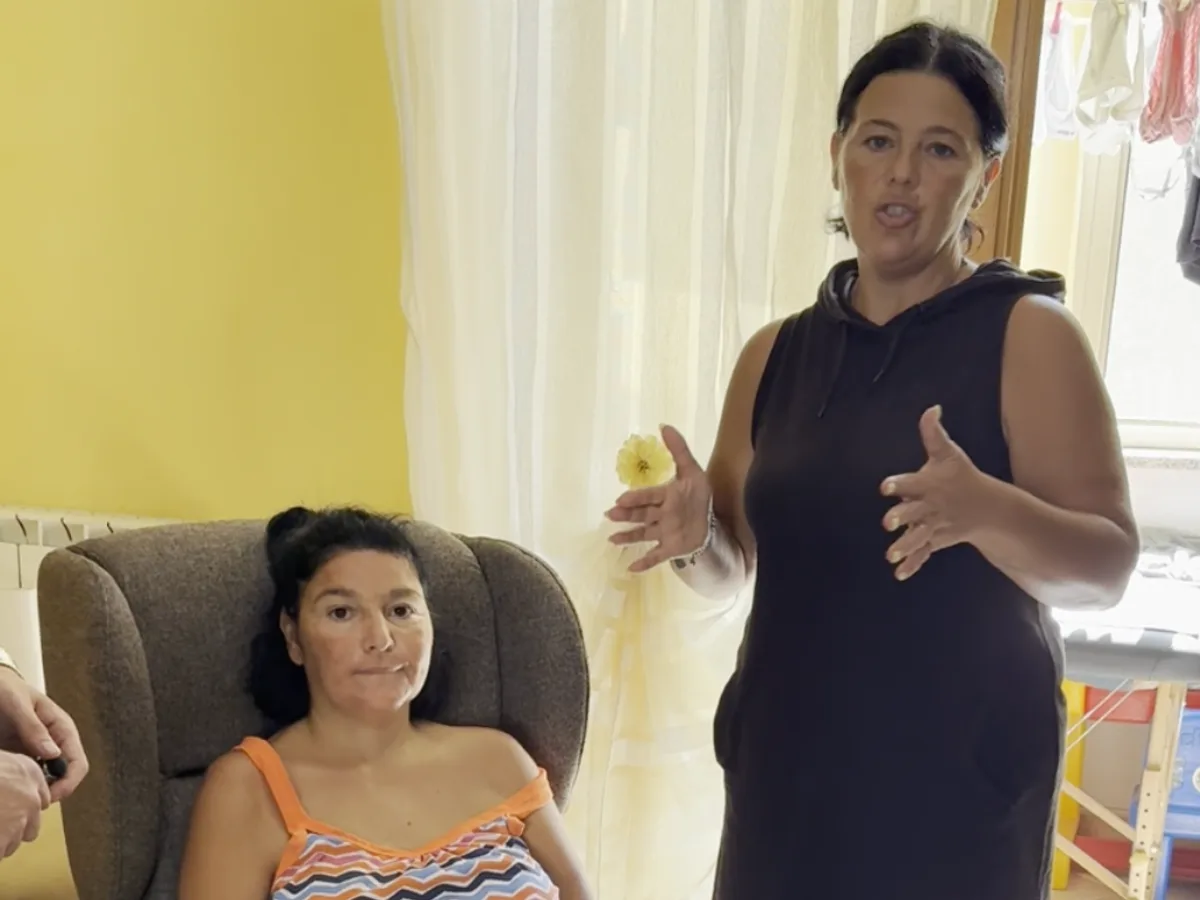
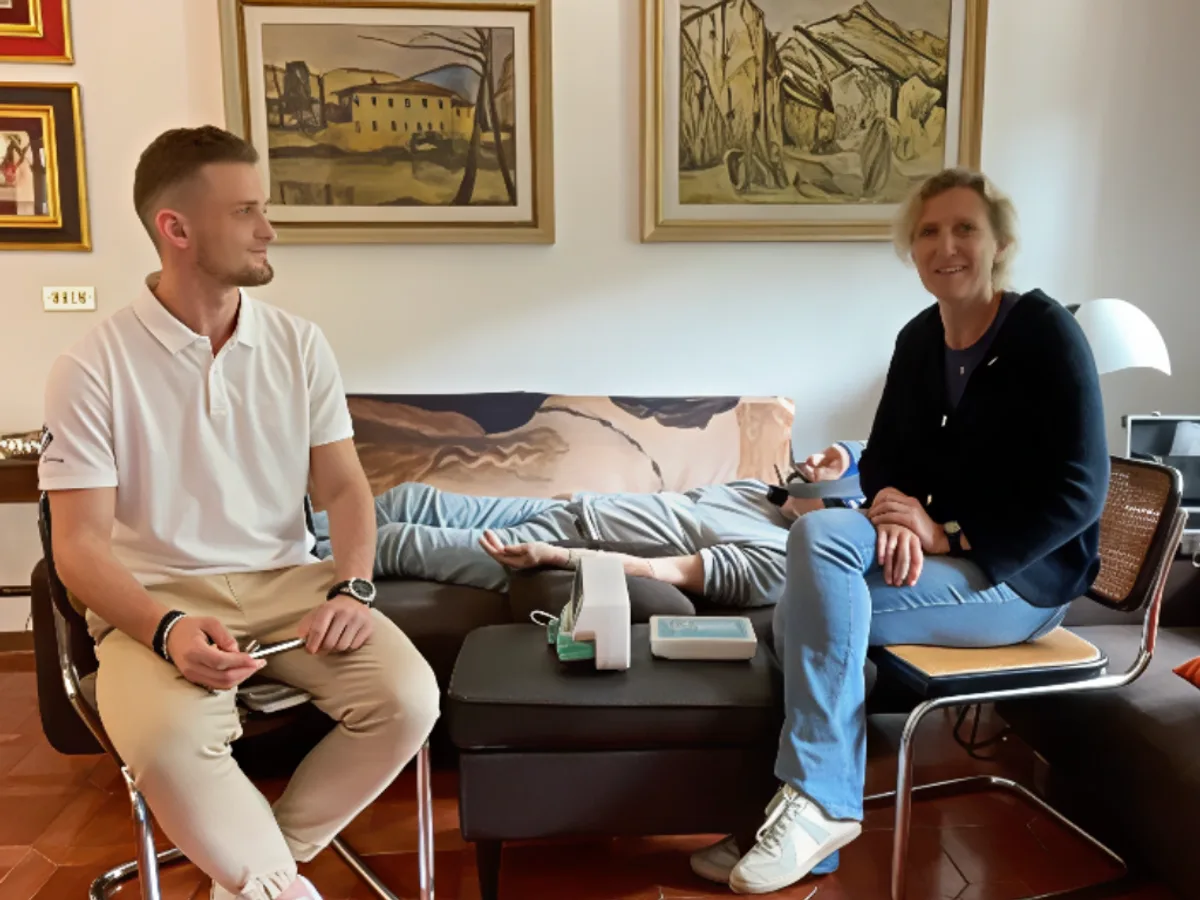
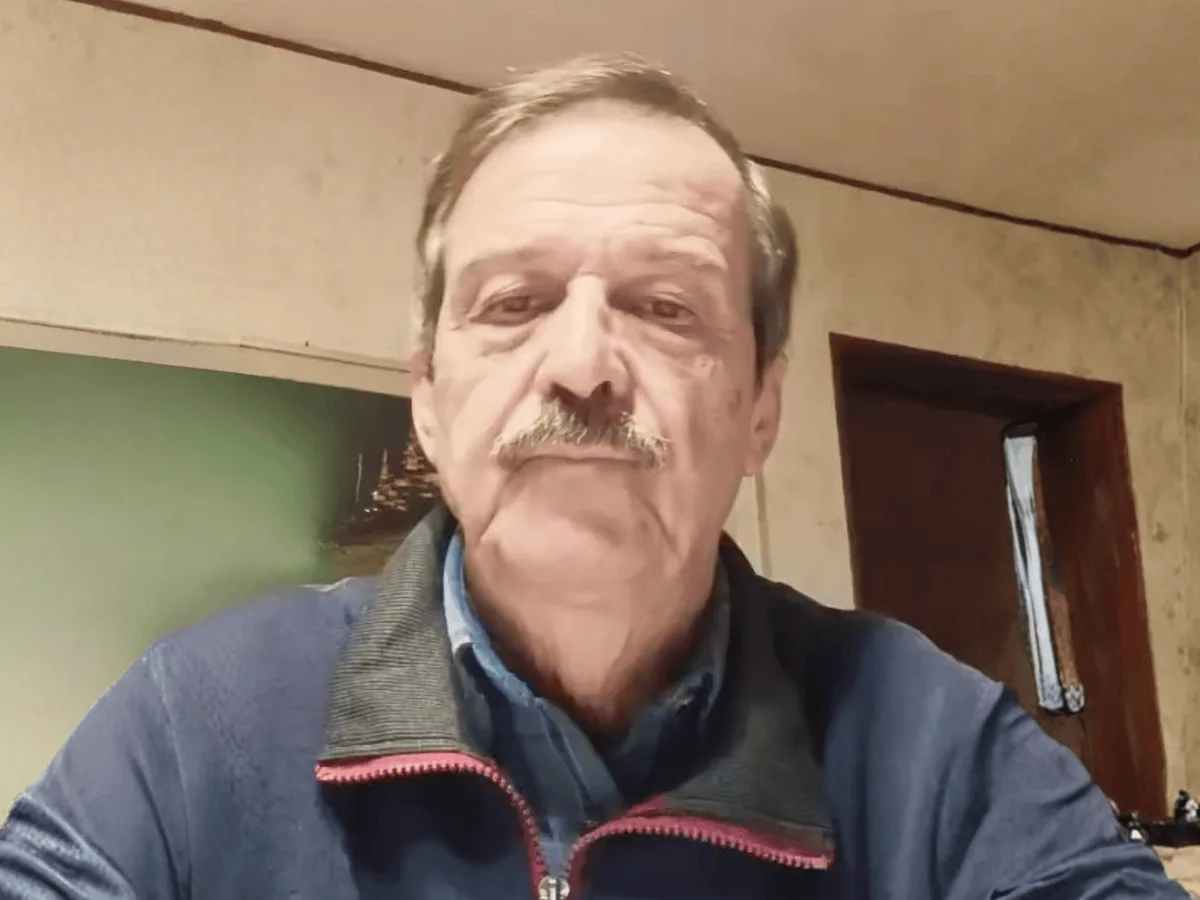
Documented treatment outcomes recorded by the BioCells Medical team after personalised regenerative medicine protocols.
Get Started
If you or someone you love has been diagnosed with interstitial lung disease, our medical team is available for a free, no-obligation medical consultation — based on your diagnosis, current pulmonary function and individual clinical profile.
We review every inquiry personally. You will speak with a physician, not an administrator.
Submit your case online or by phone
Our medical consultant contacts you to review your documents
The medical board presents your personalised treatment plan
Request a Consultation
Tell us about your condition. Our medical consultant will contact you within 24 hours to review your documents.
Open Consultation FormMultilingual coordination — English, Italian, French, Russian, Polish
Evidence Base
Our clinical approach is informed by and consistent with published research in the field of regenerative medicine.