POST-COVID PULMONARY FIBROSIS · LONG COVID RESPIRATORY · ORGANISING PNEUMONIA
A physician-led, laboratory-verified treatment programme targeting post-viral pulmonary fibrosis, persistent inflammation and impaired gas exchange — tailored to the individual respiratory profile, imaging findings and functional capacity of each patient.
Request Medical ConsultationAbout the Condition
Post-COVID lung damage encompasses a spectrum of persistent respiratory complications that develop following SARS-CoV-2 infection. The most common manifestations include organising pneumonia, pulmonary fibrosis, small airway disease and chronic exercise intolerance — conditions that can persist for months or years after the acute infection has resolved.
The underlying pathology is driven by a combination of direct viral injury to alveolar epithelium, dysregulated immune response (including residual cytokine elevation), endothelial dysfunction in the pulmonary vasculature and disrupted surfactant metabolism. Unlike idiopathic pulmonary fibrosis, post-COVID fibrosis is post-inflammatory in origin — which generally carries a more favourable trajectory when targeted early.
Standard pulmonary rehabilitation and corticosteroid tapering address symptoms but do not reverse established fibrotic change or restore damaged alveolar architecture. This is where cellular therapy offers a mechanistically distinct approach — targeting the biological processes that sustain fibrosis, inflammation and impaired gas exchange at the tissue level.
Post-COVID Organising Pneumonia
Characterised by persistent ground-glass opacities and consolidation on CT, often with ongoing low-grade inflammation. Typically responds partially to corticosteroids but may relapse on tapering. Affects alveolar ducts and surrounding interstitium. Patients report persistent cough, dyspnoea and reduced exercise tolerance.
Post-COVID Pulmonary Fibrosis
Established fibrotic remodelling visible on HRCT — reticular changes, traction bronchiectasis, volume loss. Develops in approximately 20–30% of patients hospitalised with severe COVID pneumonia. Leads to restrictive ventilatory defect with reduced FVC and DLCO. Prognosis is generally better than IPF due to the post-inflammatory rather than progressive fibrotic mechanism.
Post-COVID Air Trapping / Small Airway Disease
Mosaic attenuation pattern on expiratory CT indicating small airway obstruction. Often missed on standard spirometry — requires body plethysmography or impulse oscillometry for detection. Patients present with disproportionate dyspnoea relative to imaging findings. May coexist with fibrotic changes or occur in isolation.
Post-COVID Exercise Intolerance (without structural change)
Persistent exercise limitation with near-normal resting pulmonary function and unremarkable CT imaging. Likely driven by endothelial dysfunction, impaired oxygen extraction at the peripheral level and autonomic dysregulation. Cardiopulmonary exercise testing (CPET) typically reveals reduced peak VO₂ and abnormal ventilatory efficiency.
Our program is individually adapted for all subtypes and all stages of progression.
Important: Each patient is accepted into the programme only after a comprehensive individual medical assessment, which evaluates respiratory function, imaging findings, inflammatory markers and overall clinical profile.
The BioCells Program
Our post-COVID lung programme combines five biological components into a single personalised protocol. No two protocols are identical — each is constructed following a detailed medical evaluation of the patient's respiratory profile, imaging findings, inflammatory markers and clinical priorities.
Minimally invasive administration
Treatment is delivered by intravenous infusion — not surgical instruments. No intubation, no bronchoscopic procedures.
No general anaesthesia
Important for patients with compromised respiratory function, where anaesthesia carries elevated risk.
No risk of immune rejection
MSCs are immunoprivileged: they express low levels of HLA-I, lack HLA-II and carry a minimal risk of rejection whether the protocol is autologous or allogeneic. Allogeneic MSC protocols do not require immunosuppression.
Targets the underlying biology, not just symptoms
Rather than managing symptoms with bronchodilators or corticosteroids alone, our protocol targets the fibrotic remodelling, persistent inflammation and endothelial dysfunction driving the respiratory deficit.
Post-inflammatory fibrosis responds favourably
Unlike progressive fibrotic conditions such as IPF, post-COVID fibrosis is driven by a prior inflammatory insult rather than an ongoing fibrotic programme. This post-inflammatory mechanism generally carries a more favourable response to regenerative intervention.
Patients from around the world
We work with patients from around the world. Airport transfers, accommodation, visa support and multilingual coordination are included in every treatment programme.
What It Is
T-regs are specialised immune cells that suppress destructive inflammatory processes. In post-COVID lung damage, persistent immune dysregulation — often characterised by elevated IL-6, TNF-α and residual T-cell activation — continues to drive tissue injury long after viral clearance.
How It Is Done
Delivered autologously (from the patient's own blood) or allogeneically (from a certified donor), based on the patient's immune profile and clinical assessment. Preparation and quality testing performed in our laboratory.
Biological Mechanisms
How This Helps in Post-COVID Lung Damage
Many post-COVID patients have a measurably dysregulated immune profile months after infection — elevated inflammatory markers, persistent T-cell activation and impaired regulatory immune function. T-regs directly address this by restoring the balance between pro-inflammatory and regulatory immune responses, reducing ongoing tissue damage and allowing the lung's repair mechanisms to function.
Your Medical Board
The exact combination, dosage, sequencing and delivery method of all five components is determined individually by our medical board for each patient. No two treatment protocols are identical. Your programme is constructed based on your specific diagnosis, imaging findings, pulmonary function data, inflammatory markers and clinical priorities.
Your protocol is designed individually. Speak with our medical team to understand what your personalised program would include.
Request ConsultationPatient Journey
Your case is reviewed remotely by our physician team. We assess your diagnosis, current pulmonary function, imaging findings, medical history and treatment goals. This consultation is free and carries no obligation.
A detailed review of all medical documentation — including HRCT scans, spirometry, DLCO measurements and relevant blood work. Our medical board evaluates eligibility, confirms safety parameters and designs your personalised therapeutic protocol.
Your cells are collected, isolated, expanded and quality-tested in our laboratory. Each batch receives a full traceability certificate. This stage typically takes 2–3 weeks.
Cells are delivered by intravenous infusion — no surgery, no general anaesthesia. Airport transfers, accommodation and visa support are included in the programme for international patients.
Structured pulmonary rehabilitation sessions with our specialist, adapted to your current respiratory capacity and exercise tolerance. Available at our clinic or remotely coordinated with your local physiotherapy team.
Your dedicated coordinator monitors respiratory function, tracks spirometry and imaging changes, and adjusts recommendations based on your recovery data. A medical-grade wearable bracelet supports continuous oxygen saturation and activity tracking regardless of your location.
The first step is free. Request a medical consultation and our medical consultant will contact you within 24 hours.
Request ConsultationSafety Profile
Cellular therapy is considered safe when delivered under proper medical supervision and according to validated protocols. In our practice, the procedure is well-tolerated by the majority of patients with post-COVID lung damage.
Temporary mild reactions — such as transient low-grade fever, slight fatigue or mild discomfort at the infusion site — may occur in a minority of patients. These are typically short-lived and indicate active immune engagement.
A final medical assessment is performed on-site before every treatment session. If a patient's respiratory status has deteriorated — including acute exacerbation or new infection — the programme may be temporarily modified or postponed for safety reasons.
All contraindications are evaluated individually. A contraindication in one clinical context does not necessarily preclude treatment in a different context — this is always determined by physician assessment.
Standard Contraindications
Active acute infection or fever
Active malignancy or ongoing chemotherapy / radiotherapy
Severe decompensated cardiac or renal failure
Pregnancy
Active pulmonary embolism or untreated deep vein thrombosis
Post-Treatment
Dedicated respiratory rehabilitation specialist
monitors lung function, exercise tolerance and oxygen saturation trends
Personalised pulmonary rehabilitation programme
graded breathing exercises, aerobic conditioning, respiratory muscle training
Medical-grade wearable monitoring
continuous SpO₂ and activity data supporting clinical decision-making
Long-term coordinator support
proactive check-ins, clinical guidance and response to any changes in respiratory status
Follow-up imaging and spirometry
scheduled HRCT and pulmonary function testing to objectively track structural and functional recovery
Pulmonary tissue repair is a gradual biological process. Measurable improvement on spirometry and imaging typically lags behind subjective symptom improvement by several weeks. Consistent follow-up and adherence to the rehabilitation protocol are essential for sustained results.
Patient Stories
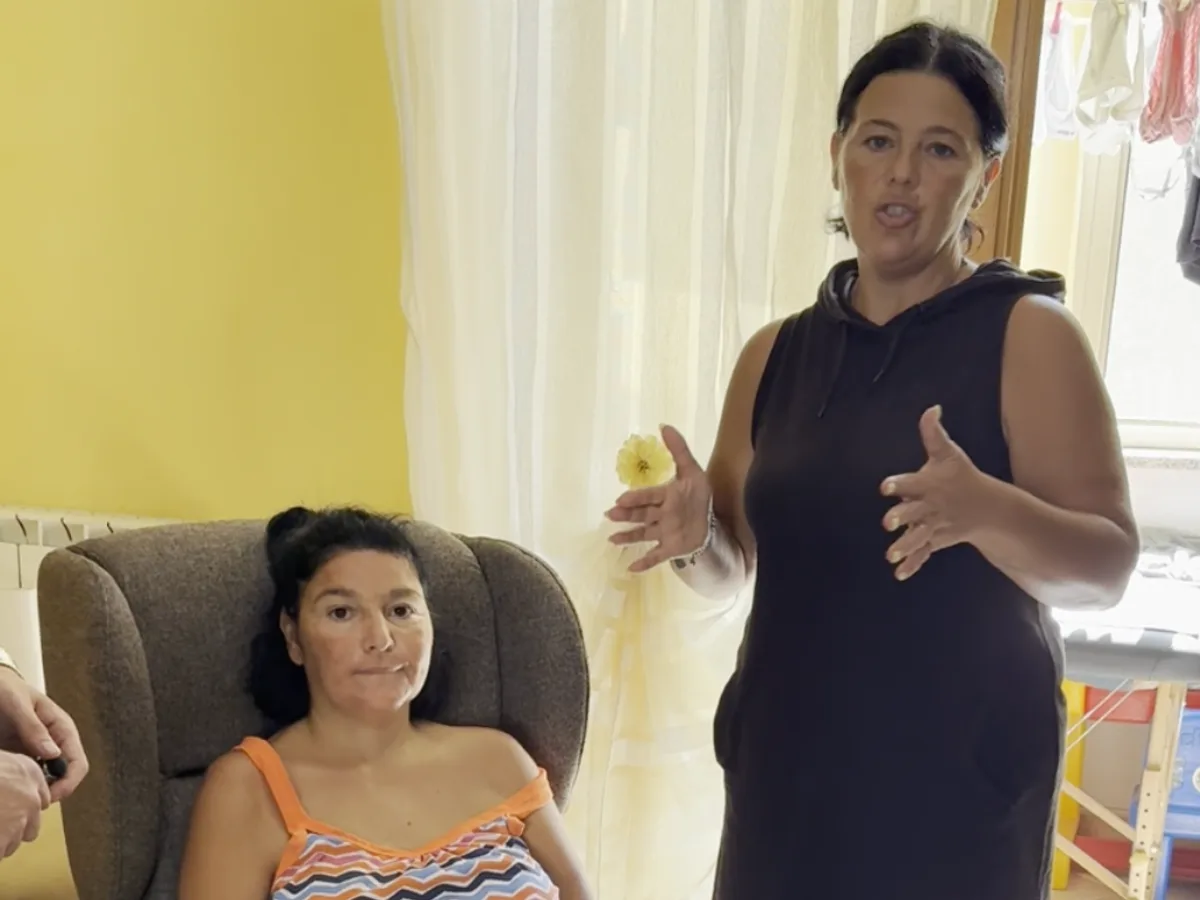
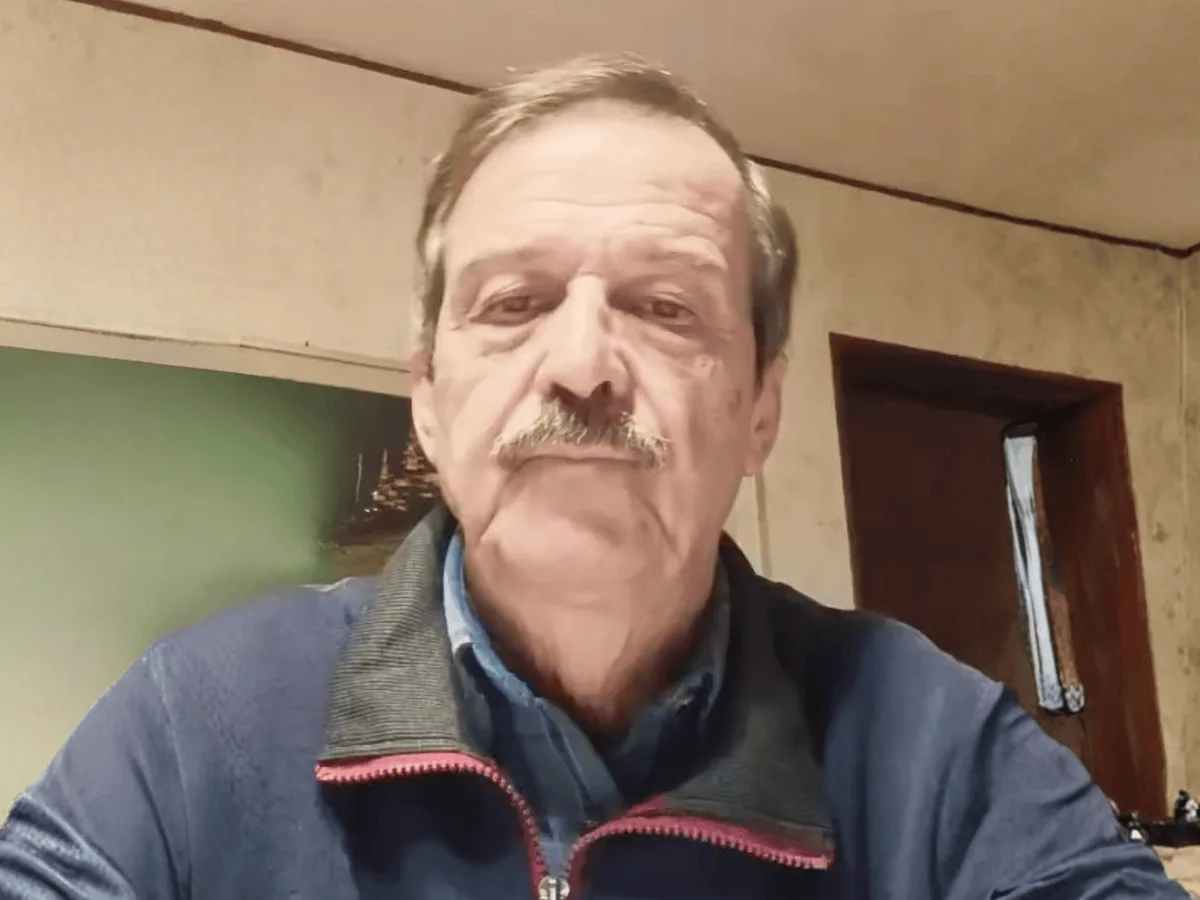
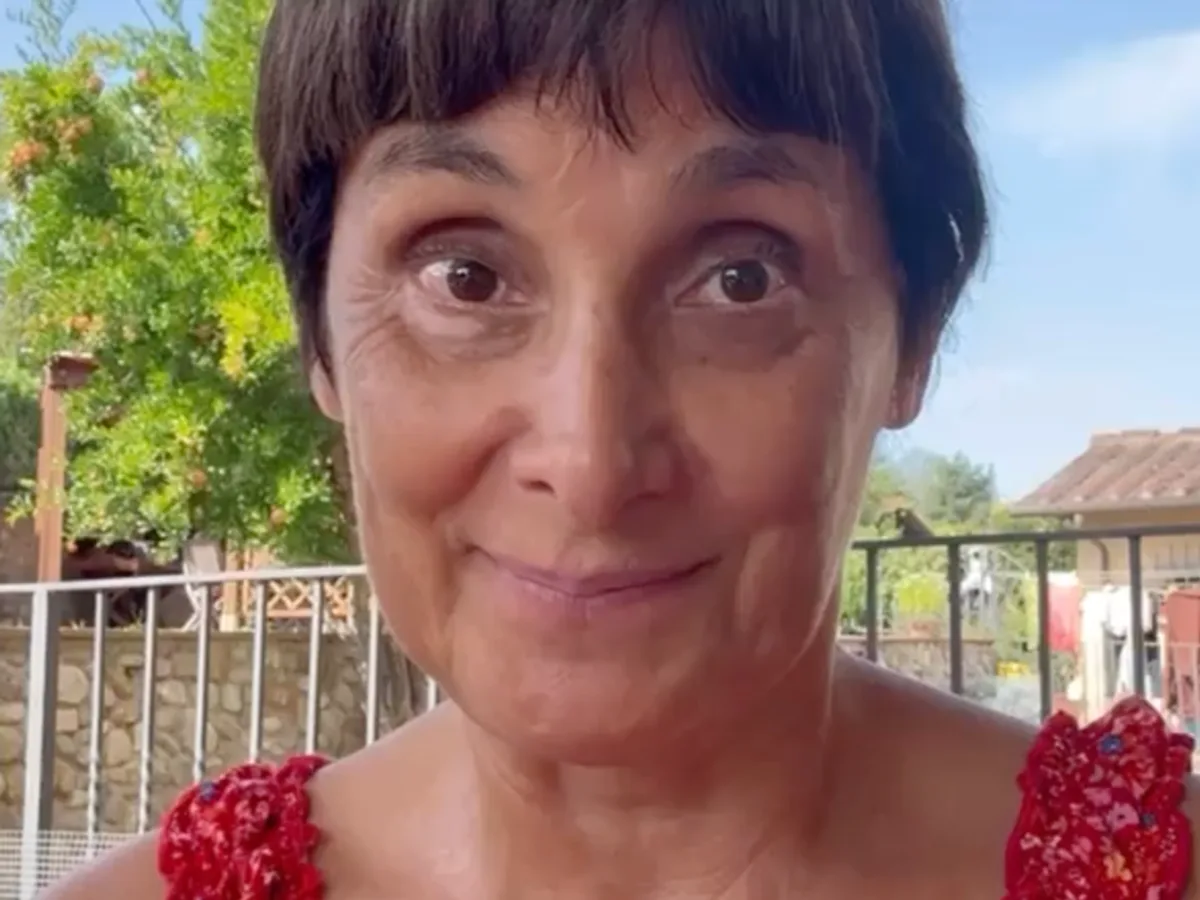
“Six months after COVID I was still on oxygen at home. My doctors in Lyon said the scarring had stabilised but would not get better. Within a few months of the programme, I could walk to work again without stopping. I breathe easier, sleep better, and my last scan showed real clearing.”
Patient
Post-COVID Pulmonary Fibrosis · France
Every case is assessed individually by our physician team. Request a consultation to discuss your specific situation with our physician team.
Request ConsultationPatient Cases
Documented treatment outcomes recorded by the BioCells Medical team after personalised regenerative medicine protocols.
Get Started
If you are living with persistent respiratory complications after COVID-19, our medical team is available for a free, no-obligation medical consultation — based on your diagnosis, imaging findings and current pulmonary function.
We review every inquiry personally. You will speak with a physician, not an administrator.
Submit your case online or by phone
Our medical consultant contacts you to review your documents
The medical board presents your personalised treatment plan
Request a Consultation
Tell us about your condition. Our medical consultant will contact you within 24 hours to review your documents.
Open Consultation FormMultilingual coordination — English, Italian, French, Russian, Polish
Evidence Base
Our clinical approach is informed by and consistent with published research in the field of regenerative medicine.