
Rehabilitation in Dementia: Efficacy and Safety
Dr. Uladzislau Tsvirko
23 avril 2026
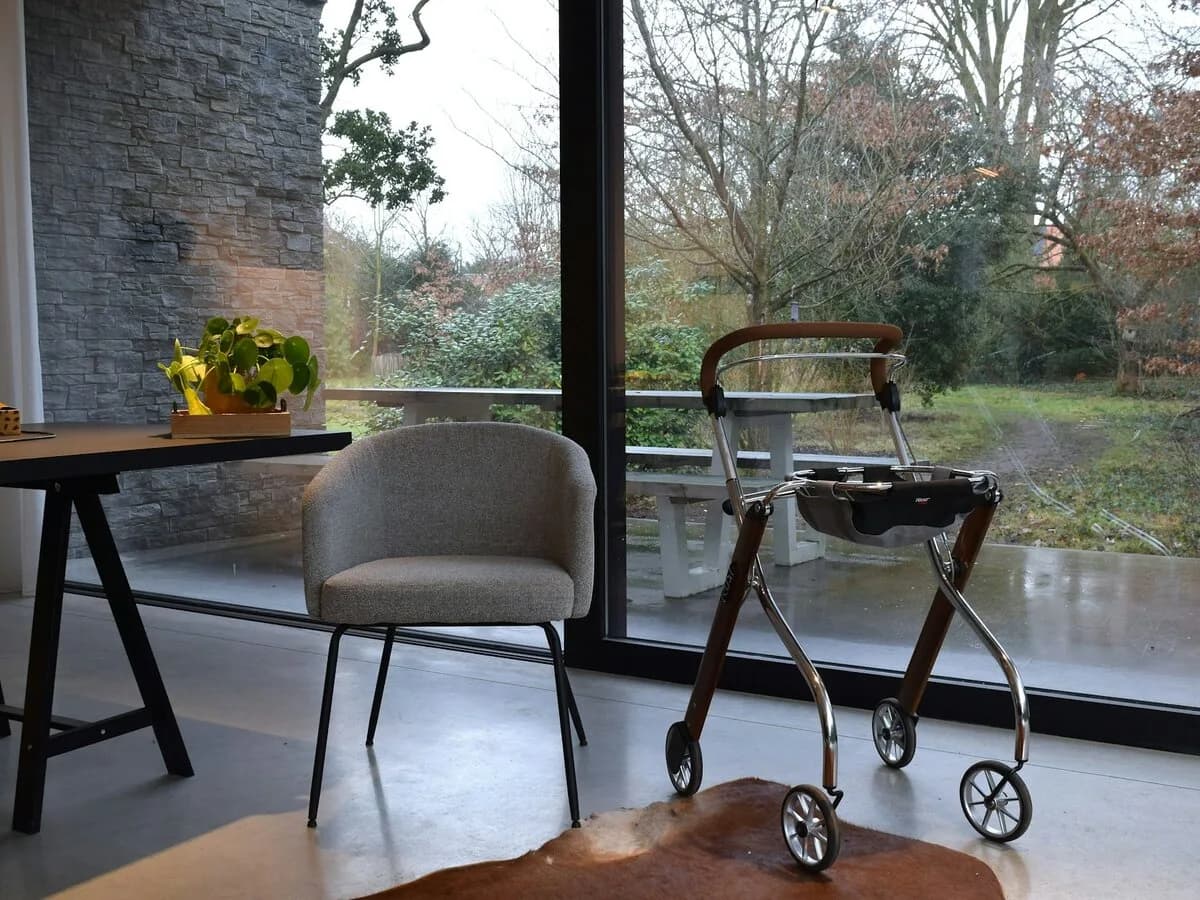
Contemporary systematic reviews show that rehabilitation in dementia improves motor function, reduces fall risk and supports functional independence in activities of daily living. Cognitive benefits are possible but depend on age and programme parameters.
Why Rehabilitation in Dementia
Dementia is a progressive neurodegenerative disease that erodes cognitive function, disrupts motor activity and undermines independence in daily life. Pharmacological therapy has limited efficacy and does not alter disease course — which is why non-pharmacological approaches, including rehabilitation in dementia and Alzheimer's disease, are receiving greater clinical attention as a way to preserve mobility and independence.
Types of Rehabilitation Interventions
A systematic review of 194 experimental studies (up to July 2022) identified the most commonly used approaches: aerobic training (42% of studies), strength training (41%), balance training (25%) and stretching (11%). Many programmes combine several modalities, reflecting the current multicomponent consensus.
Effect on Motor Function
Most studies report consistent positive effects on motor function: improved gait and balance, lower fall risk, increased muscle strength and better physical endurance. Even in moderate-to-severe dementia, function-based physical interventions help preserve mobility and reduce physical dependence on care.
Effect on Cognitive Function
Evidence on cognitive outcomes is mixed. A meta-analysis of 20 RCTs (2,051 patients) found no statistically significant improvement in overall cognitive measures, but a subgroup analysis showed benefit in patients under 80. Sensitivity analysis suggests that with sufficient duration, regularity and individualised dosing, exercise may slow cognitive decline. Rehabilitation does not replace cognitive therapy but can play a supporting role, particularly in earlier stages.
Activities of Daily Living (ADL)
The most robust evidence concerns ADL. Multicomponent training programmes produce a modest but statistically significant effect on functional independence. Participants receiving structured rehabilitation managed self-care better than those on standard care alone. This matters because preserved ADL is directly linked to quality of life and reduced caregiver burden.
Safety and Clinical Takeaways
Across the reviewed studies 1,119 adverse events were recorded, most of them mild (fatigue, muscle soreness, short-term discomfort) — confirming that with appropriate dosing rehabilitation is relatively safe. Cumulative conclusions: rehabilitation is effective in dementia for motor function and ADL; cognitive benefit is possible but depends on age, disease stage and training parameters; the most promising approach is a multicomponent, long-duration programme adapted to the individual.