
Rééducation dans la sclérose latérale amyotrophique : les bases scientifiques
Dr. Roman Zinevich
23 avril 2026
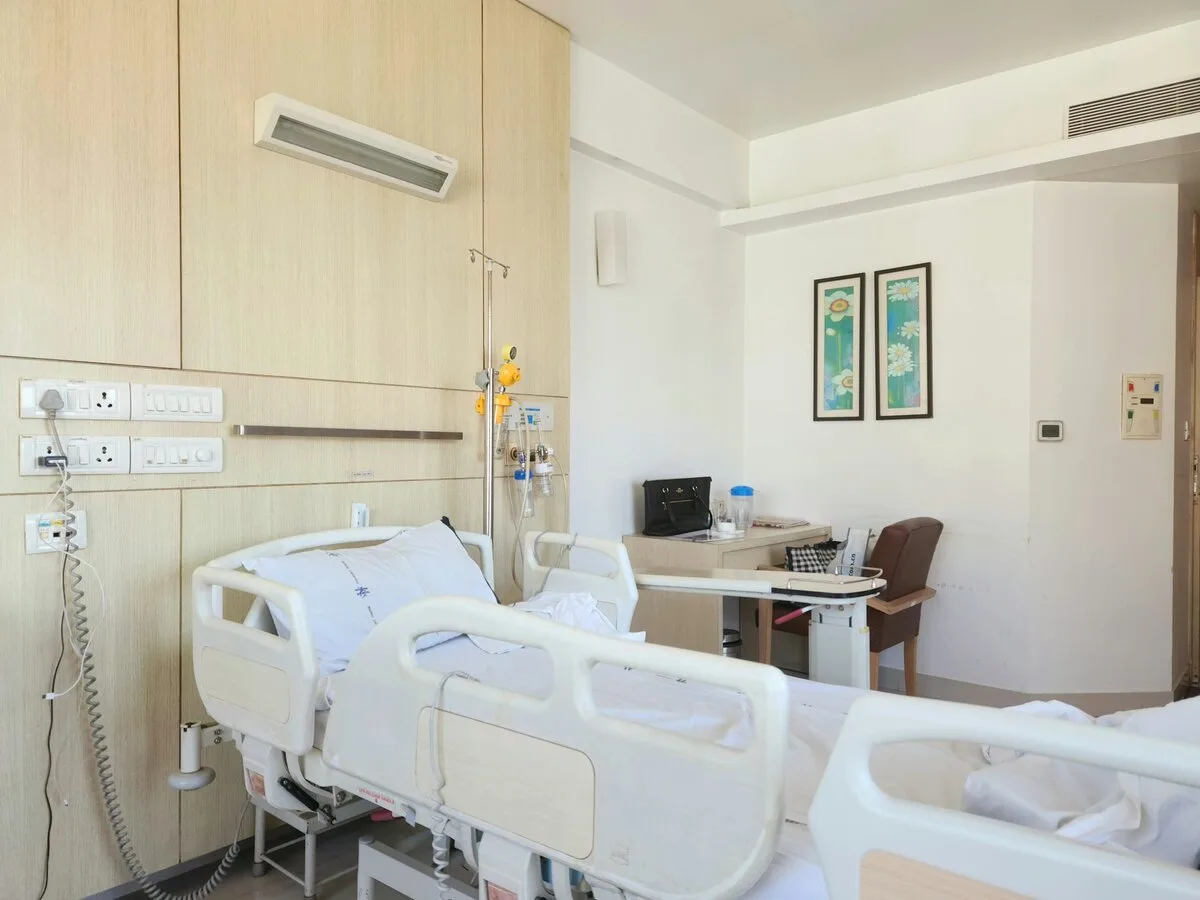
Les méta-analyses d'essais randomisés montrent que la rééducation dans la SLA est sûre, soutient la fonction respiratoire et l'état fonctionnel, et réduit le risque d'infections respiratoires — l'une des complications les plus graves de la maladie.
Pourquoi la rééducation dans la SLA
La sclérose latérale amyotrophique (SLA) est une maladie neurodégénérative progressive qui atteint les motoneurones et conduit à une faiblesse musculaire croissante, à la perte de l'autonomie fonctionnelle et à une insuffisance respiratoire. En l'absence de traitement modificateur de la maladie, les interventions de soutien non médicamenteuses font l'objet d'une attention clinique croissante. Les revues systématiques et méta-analyses contemporaines confirment que la rééducation dans la SLA est sûre et apporte un soutien cliniquement significatif à l'état fonctionnel, à la fonction respiratoire et à la qualité de vie.
Entraînement des muscles respiratoires
L'entraînement des muscles inspiratoires et expiratoires est parmi les interventions rééducatives les plus étudiées dans la SLA. Une méta-analyse d'essais contrôlés randomisés démontre qu'un entraînement ciblé accroît la force des muscles respiratoires — y compris les pressions inspiratoires et expiratoires maximales — et améliore l'efficacité ventilatoire en élargissant la réserve musculaire. L'intervention est bien tolérée et certains essais l'ont explorée comme facteur pronostique possible de survie. Aucune modification significative n'a été observée sur la capacité vitale forcée (CVF) ou sur les mesures subjectives de qualité de vie, reflet de la difficulté intrinsèque à modifier les critères globaux dans une maladie progressive.
Prévention des infections respiratoires
Les infections respiratoires demeurent une cause majeure de complications et d'hospitalisations dans la SLA. À mesure que la maladie progresse, l'affaiblissement de la musculature respiratoire et bulbaire diminue l'efficacité de la toux, favorise la rétention des sécrétions bronchiques, altère la ventilation des lobes inférieurs et augmente le risque d'inhalation. Les interventions rééducatives — entraînement des muscles respiratoires, techniques de toux assistée, méthodes de désencombrement bronchique et prise en charge posturale — améliorent l'évacuation du mucus et la ventilation, réduisant la probabilité d'atélectasie et de complications infectieuses. Des essais randomisés directs avec l'infection comme critère principal restent limités ; néanmoins, le rationnel physiopathologique et les recommandations internationales sur la prise en charge des maladies neuromusculaires soulignent systématiquement l'importance d'une rééducation respiratoire régulière pour réduire le risque de pneumonie.
État fonctionnel et qualité de vie
Les revues systématiques d'essais randomisés indiquent que la rééducation produit des améliorations à court terme de la fonction globale chez les patients atteints de SLA. L'effet est d'autant plus marqué que les programmes sont individualisés et suivis avec régularité. L'impact sur la qualité de vie et la fatigue reste variable, mais la rééducation n'augmente pas la fréquence des événements indésirables. Ces données soutiennent l'intégration de la rééducation dans la prise en charge globale dès les premières étapes de la maladie.
Programmes multimodaux
Les résultats fonctionnels les plus prometteurs proviennent de programmes multimodaux associant exercice thérapeutique, kinésithérapie respiratoire, apprentissage de stratégies compensatoires et adaptation de l'activité physique au stade de la maladie. Ces programmes montrent des évolutions positives modérées sur l'échelle ALSFRS-R et contribuent à une préservation plus durable de l'autonomie fonctionnelle, en particulier dans les premières phases de la SLA.
Conclusions cliniques
Les preuves cumulatives positionnent la rééducation dans la SLA comme une composante sûre et essentielle de la prise en charge globale. Elle exerce des effets positifs sur la force des muscles respiratoires et sur l'état fonctionnel. La rééducation respiratoire joue un rôle particulièrement important dans la prévention des infections respiratoires, grâce à l'amélioration de la ventilation et du désencombrement bronchique. Même lorsque les preuves sur les critères à long terme restent limitées, la rééducation demeure un pilier du soutien à la qualité de vie.