ISCHAEMIC STROKE · HAEMORRHAGIC STROKE · POST-STROKE RECOVERY
A physician-led cellular therapy programme designed to accelerate neurological recovery after stroke — targeting penumbra tissue salvage, neuroplasticity and functional independence through a personalised, laboratory-verified protocol adapted to each patient's stroke type, deficit profile and recovery stage.
Request Medical ConsultationAbout the Condition
A stroke occurs when blood supply to part of the brain is interrupted (ischaemic stroke) or when a blood vessel in the brain ruptures (haemorrhagic stroke). The affected brain tissue is deprived of oxygen and glucose, leading to rapid neuronal death in the infarct core and progressive damage in the surrounding penumbra zone.
Unlike degenerative neurological diseases — where the pathology is ongoing and the clinical goal is to slow progression — stroke produces acute, localised damage. The brain's capacity for recovery depends on how much penumbra tissue can be salvaged, how effectively new neural pathways form around the lesion, and how well the surviving tissue compensates for lost function. Cellular therapy targets precisely these recovery mechanisms.
Approximately 15 million people worldwide suffer a stroke each year. Standard acute treatment (thrombolysis, thrombectomy) addresses the immediate vascular event, but the majority of lasting neurological deficits — motor weakness, speech impairment, cognitive changes — result from tissue damage that conventional rehabilitation alone cannot fully reverse.
Ischaemic Stroke
The most common form, accounting for approximately 85% of all strokes. Caused by a blood clot blocking a cerebral artery. The extent of damage depends on clot location, collateral blood supply and time to treatment. Patients often present with unilateral weakness, speech difficulty or visual field loss.
Haemorrhagic Stroke
Caused by rupture of a blood vessel within the brain, leading to intracerebral haemorrhage. Accounts for approximately 15% of strokes but carries higher acute mortality. Recovery potential depends on haematoma volume, location and the degree of secondary oedema and inflammation.
Lacunar Stroke
A subtype of ischaemic stroke affecting small perforating arteries deep in the brain — typically the basal ganglia, thalamus, internal capsule or pons. Produces discrete motor or sensory deficits. Often associated with chronic hypertension and small vessel disease.
Brain Stem Stroke
Affects the brain stem, which controls vital functions including breathing, heart rate, balance and cranial nerve activity. Can produce complex deficits including double vision, vertigo, dysphagia and bilateral motor impairment. Recovery trajectory is highly variable and depends on lesion extent.
Our program is individually adapted for all subtypes and all stages of progression.
Important: Each patient is accepted into the programme only after a comprehensive individual medical assessment evaluating stroke type, lesion location, time since event, current functional status and overall clinical profile.
The BioCells Program
Our post-stroke programme combines five biological components into a single personalised protocol. Each protocol is constructed following a detailed evaluation of the patient's stroke type, lesion characteristics, current deficits and recovery goals. No two protocols are identical.
Minimally invasive administration
Treatment is delivered by intravenous infusion or targeted local injection using specialised medical systems — not surgical instruments.
No general anaesthesia
Important for post-stroke patients who may have cardiovascular comorbidities or elevated anaesthesia risk.
No risk of immune rejection
MSCs are immunoprivileged: they express low levels of HLA-I, lack HLA-II and carry a minimal risk of rejection whether the protocol is autologous or allogeneic. Allogeneic MSC protocols do not require immunosuppression.
Targets recovery biology, not just symptom management
Our protocol targets neuroplasticity, angiogenesis and peri-infarct tissue repair — the biological mechanisms that determine how much function can be recovered after stroke.
Effective beyond the conventional recovery window
Standard rehabilitation often plateaus at 6–12 months. Cellular therapy can reactivate recovery mechanisms in chronic stroke patients, extending the window for meaningful functional gains.
Patients from around the world
We work with patients from around the world. Airport transfers, accommodation, visa support and multilingual coordination are included in every treatment programme.
What It Is
T-regs are specialised immune cells that suppress destructive inflammatory processes in the nervous system. After stroke, the immune response plays a dual role — initially protective, then increasingly harmful as chronic inflammation develops in and around the lesion.
How It Is Done
Delivered autologously (from the patient's own blood) or allogeneically (from a certified donor), based on the patient's immune status and clinical assessment. Preparation and quality testing performed in our laboratory.
Biological Mechanisms
How This Helps in Stroke
In the weeks and months following stroke, chronic inflammation in the affected brain region continues to damage salvageable tissue and inhibit repair processes. T-regs directly address this by suppressing the destructive immune response, reducing secondary neural damage and establishing the immunological conditions necessary for sustained recovery.
Your Medical Board
The exact combination, dosage, sequencing and delivery method of all five components is determined individually by our medical board for each patient. No two treatment protocols are identical. Your programme is constructed based on your specific stroke type, lesion location, time since event, current deficits and clinical priorities.
Your protocol is designed individually. Speak with our medical team to understand what your personalised program would include.
Request ConsultationPatient Journey
Your case is reviewed remotely by our physician team. We assess your stroke type, current neurological status, imaging findings, rehabilitation history and recovery goals. This consultation is free and carries no obligation.
A detailed review of all medical documentation including brain imaging (CT/MRI), discharge summaries and rehabilitation records. Our medical board evaluates eligibility, confirms safety parameters and designs your personalised therapeutic protocol.
Your cells are collected, isolated, expanded and quality-tested in our laboratory. Each batch receives a full traceability certificate. This stage typically takes 2–3 weeks.
Cells are delivered by intravenous infusion or targeted local administration — no surgery, no general anaesthesia. Airport transfers, accommodation and visa support are included in the programme for international patients.
Structured neurorehabilitation sessions with our specialist team, adapted to your specific deficits — motor, speech, cognitive or combined. Available at our clinic or remotely coordinated with your local rehabilitation team.
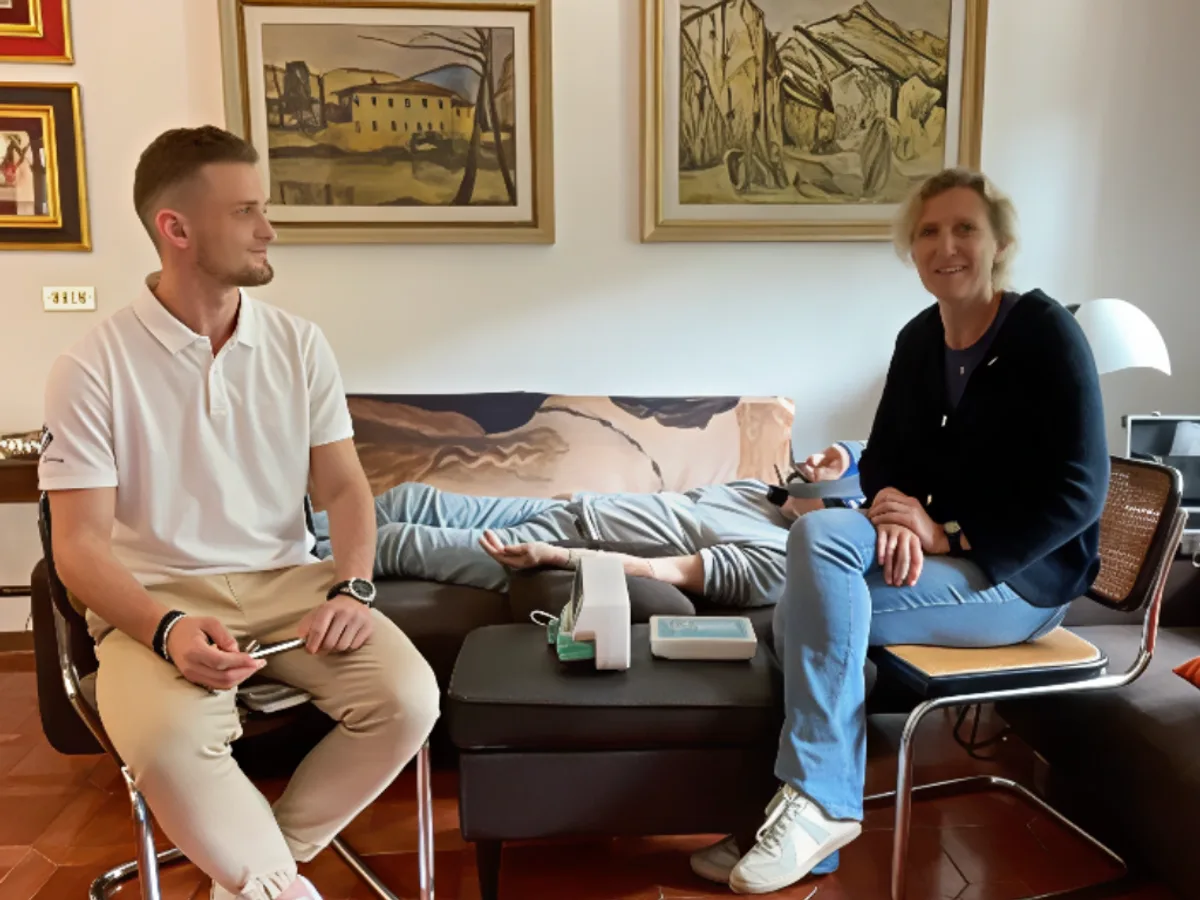
Your dedicated coordinator monitors neurological recovery, provides clinical guidance and adjusts recommendations based on your progress data. A medical-grade wearable bracelet supports continuous health tracking regardless of your location.
The first step is free. Request a medical consultation and our medical consultant will contact you within 24 hours.
Request ConsultationSafety Profile
Cellular therapy is considered safe when delivered under proper medical supervision and according to validated protocols. In our practice, the procedure is well-tolerated by the majority of post-stroke patients.
Temporary mild reactions — such as transient local discomfort at the infusion site, slight fatigue or low-grade temperature — may occur in a minority of patients. These are typically short-lived and indicate active biological engagement.
A final medical assessment is performed on-site before every treatment session. If a patient's status has changed — including new cardiovascular events or uncontrolled blood pressure — the programme may be temporarily modified or postponed for safety reasons.
All contraindications are evaluated individually. A contraindication in one clinical context does not necessarily preclude treatment in a different context — this is always determined by physician assessment.
Standard Contraindications
Active acute infection or fever
Active malignancy or ongoing chemotherapy / radiotherapy
Severe decompensated cardiac or renal failure
Uncontrolled hypertension (systolic >180 mmHg despite medication)
Acute stroke phase (less than 4 weeks from event) — treatment begins in the subacute or chronic phase
Pregnancy
Post-Treatment
Dedicated neurorehabilitation specialist
monitors motor, speech and cognitive recovery milestones
Personalised rehabilitation programme
adapted to your specific deficits and updated as function improves
Medical-grade wearable monitoring
continuous physiological data collection supporting clinical decision-making
Long-term coordinator support
proactive check-ins, clinical guidance and response to any changes in neurological status
Continued clinical access
our medical team remains available for ongoing reassessment and protocol adjustment
Neural recovery after stroke is a gradual biological process. The period following treatment is as medically important as the treatment itself — cellular integration, synapse formation and cortical reorganisation continue for months. Consistent monitoring and rehabilitation during this phase directly influences the extent of functional recovery.
Patient Stories
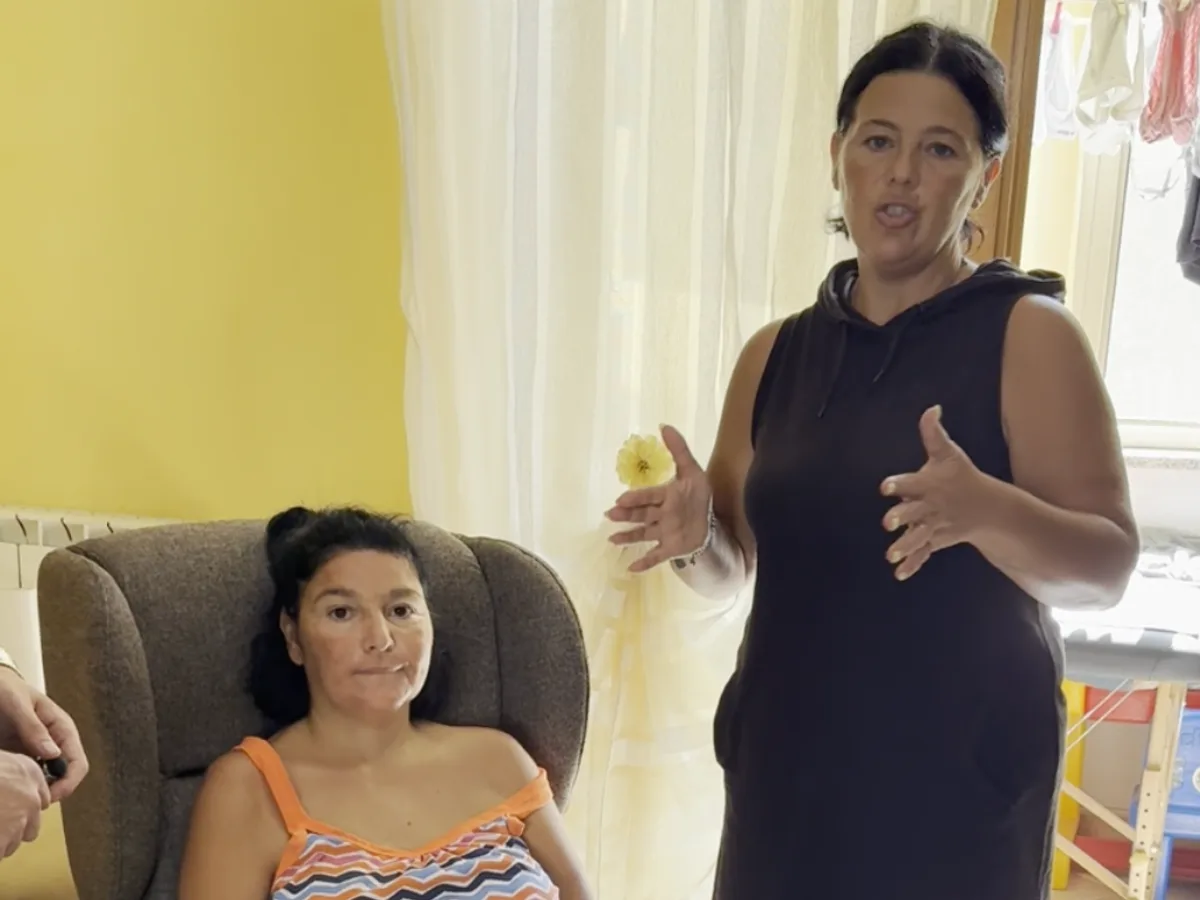
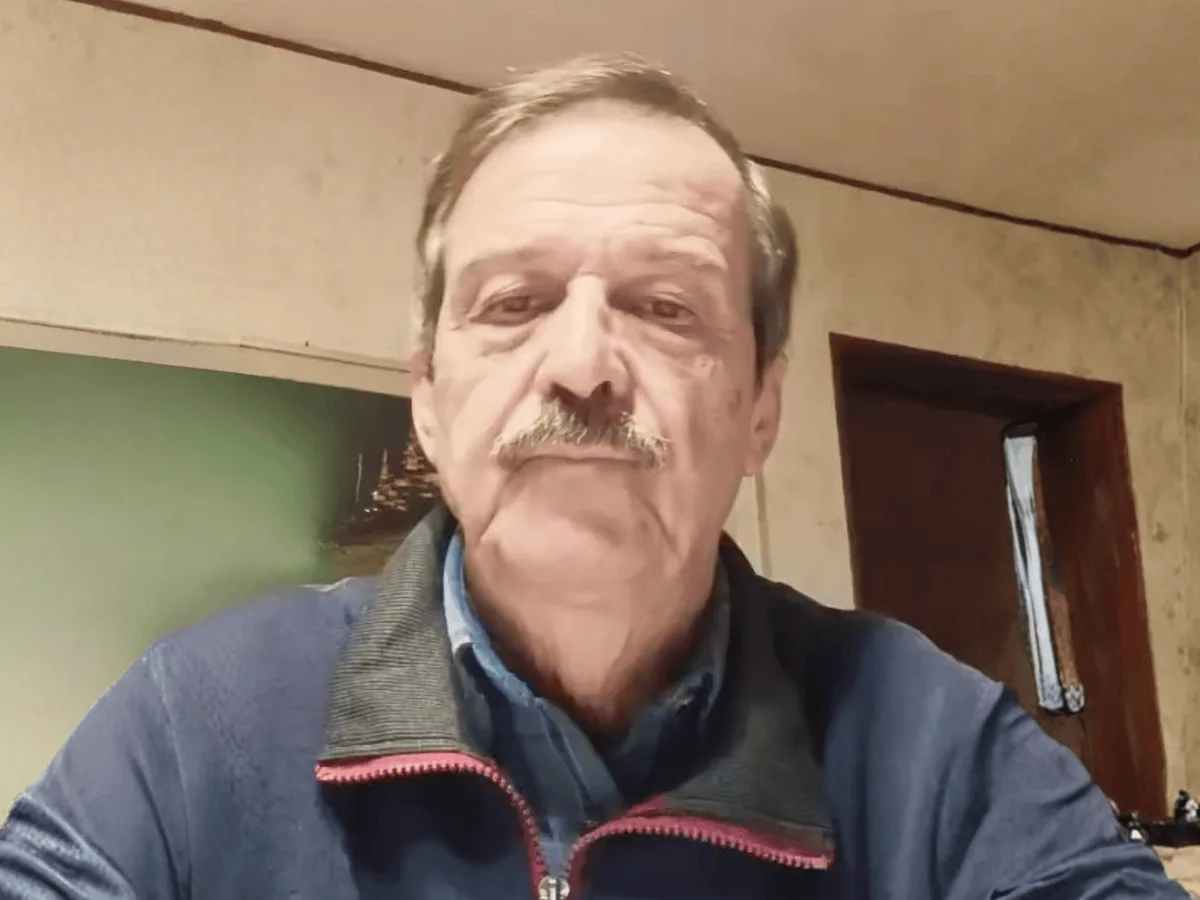
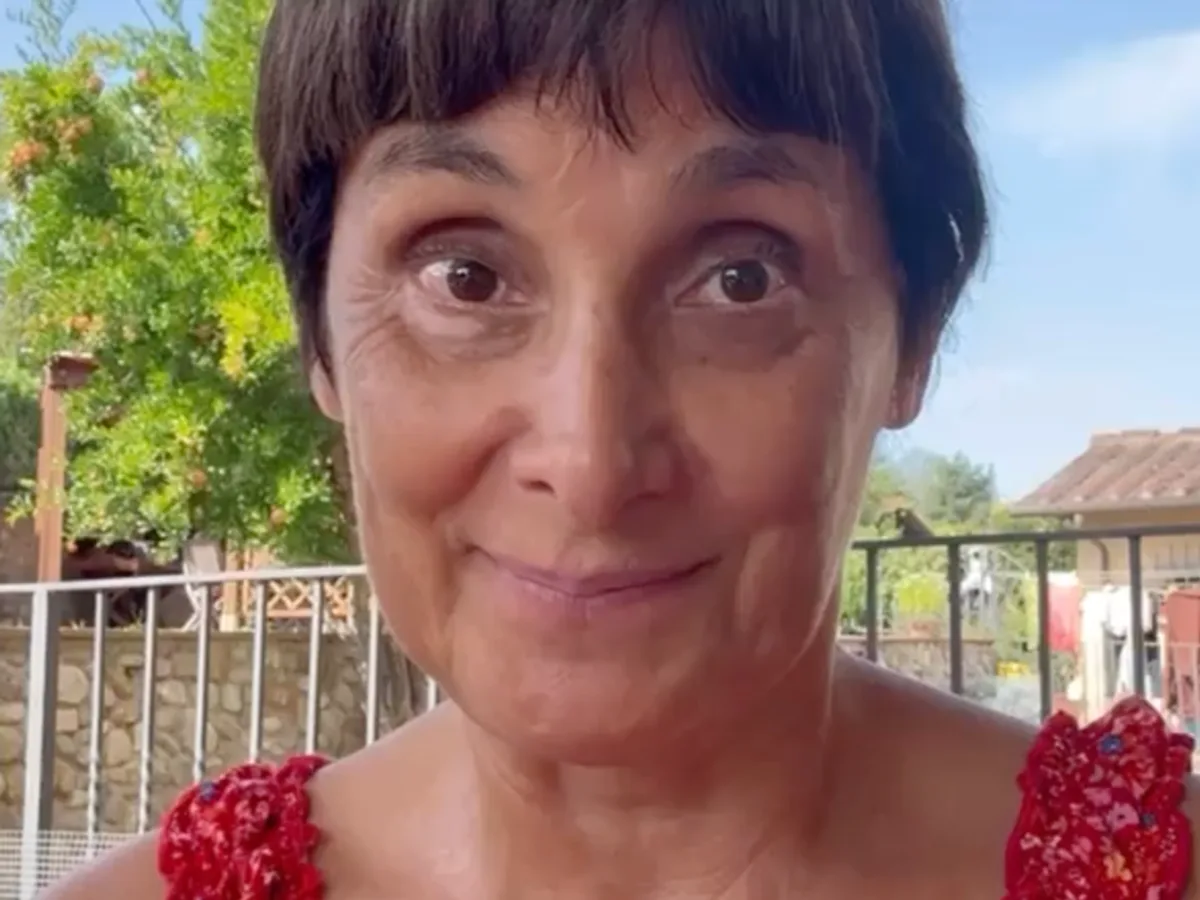
“He feeds himself now. He buttons his own shirt. Fourteen months after the stroke his left side was completely useless. He couldn't lift his arm, couldn't hold a glass. The neurologist in Rome said recovery at this stage was not expected. After treatment, it happened anyway.”
Patient's daughter
Ischaemic stroke · Italy
Every case is assessed individually by our physician team. Request a consultation to discuss your specific situation with our physician team.
Request ConsultationPatient Cases
Documented treatment outcomes recorded by the BioCells Medical team after personalised regenerative medicine protocols.
Get Started
If you or someone you love is recovering from a stroke, our medical team is available for a free, no-obligation medical consultation — based on your stroke type, current neurological status and individual recovery profile.
We review every inquiry personally. You will speak with a physician, not an administrator.
Submit your case online or by phone
Our medical consultant contacts you to review your documents
The medical board presents your personalised treatment plan
Request a Consultation
Tell us about your condition. Our medical consultant will contact you within 24 hours to review your documents.
Open Consultation FormMultilingual coordination — English, Italian, French, Russian, Polish
Evidence Base
Our clinical approach is informed by and consistent with published research in the field of regenerative medicine.