
ALS — Regained Movements and Improved Swallowing
Amyotrophic Lateral Sclerosis
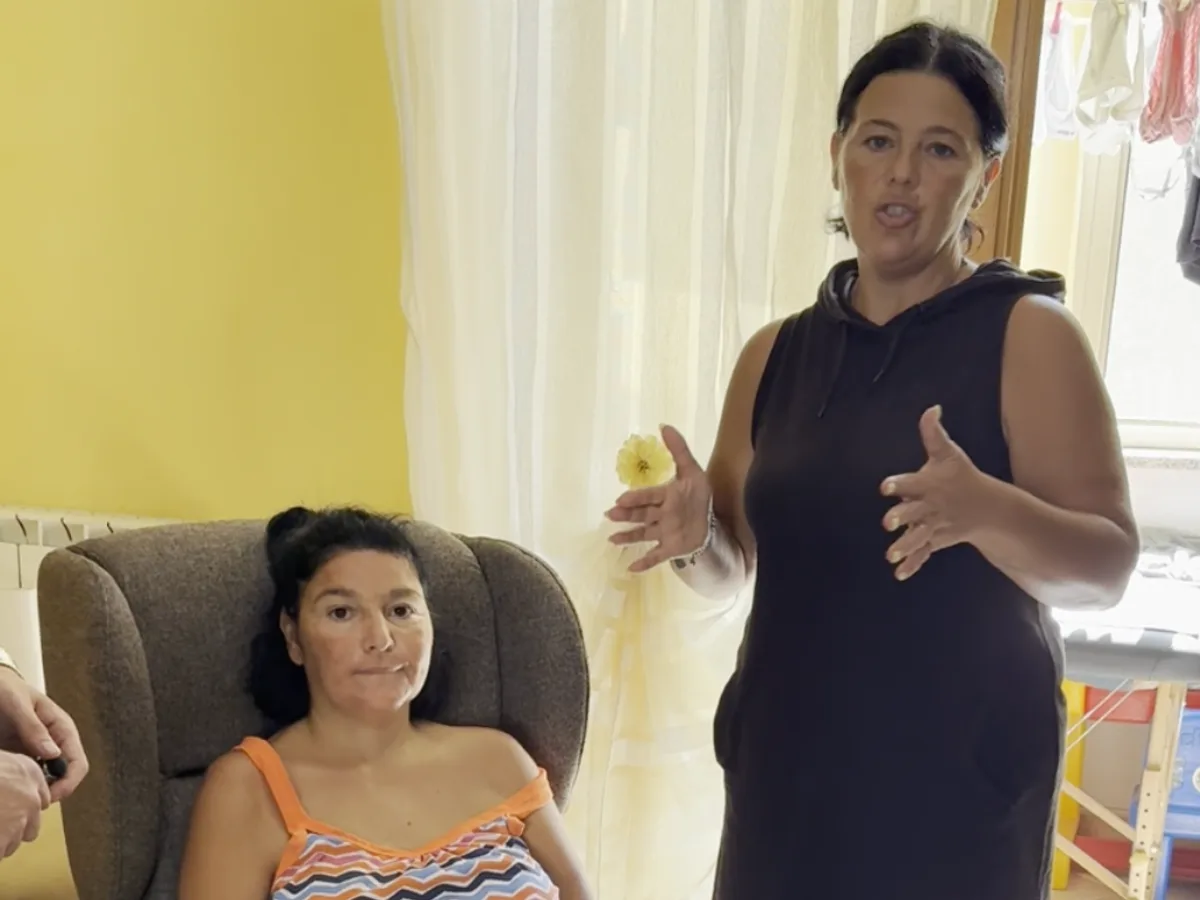
Patient
Ilaria Baldi, 43 years
Origin
Italy
Diagnosis
Amyotrophic Lateral Sclerosis (ALS), diagnosed 2022
Treatment
July 2025
Author
Dr. Uladzislau Tsvirko
Patient Background
Ilaria Baldi, a 43-year-old woman from Italy, was diagnosed with amyotrophic lateral sclerosis (ALS) in 2022. The initial presentation involved progressive weakness of the right hand. Over time, the condition led to increasing limitations in both upper and lower limb mobility, accompanied by difficulties with swallowing and reduced bulbar function. By the time she presented at BioCells Medical, the patient experienced significant challenges affecting motor control, daily activities, and overall functional independence.
Treatment Protocol
- •Autologous mesenchymal stem cells (MSCs)
- •Autologous T-regulatory cells (T-regs)
- •Combined intravenous and intrathecal administration over two treatment days
- •Continuous medical supervision throughout the procedure
Reported Functional Changes
- •Ability to stand and take several supported steps
- •Notably clearer and more intelligible speech
- •Voluntary movements restored in the left hand and fingers
- •Improved strength and mobility of the right leg
- •Return of tongue mobility, which had been absent for several months
- •Restored ability to independently reposition in bed, including turning from supine to either side
Video Observations
Follow-up and Ongoing Monitoring
Ilaria remains under ongoing medical observation following her first treatment cycle. Her neurological status and functional capacity continue to be monitored over time. Additional treatment cycles and supportive measures are being considered based on clinical evolution and patient-specific goals.
Clinical Context
This clinical case illustrates the potential functional changes that may be observed following a personalised regenerative medicine approach in a patient with ALS. At BioCells Medical, each protocol is carefully adapted to the individual patient's condition, disease stage, and medical profile, with close medical supervision throughout the process. Because ALS presents differently in each individual, all patients are assessed on a case-by-case basis to determine the most appropriate medical strategy.
Note: All observations reported in this case are based on post-treatment follow-up communication with the patient's family and clinical team. Individual results vary. This case does not constitute a clinical trial and should not be interpreted as a guarantee of outcome.