DUCHENNE · BECKER · LIMB-GIRDLE · FACIOSCAPULOHUMERAL · MYOTONIC · ALL TYPES
A physician-led programme targeting the inflammatory, regenerative and neuromuscular mechanisms of muscular dystrophy — designed to stabilise muscle function, slow progression and preserve independence.
Request Medical ConsultationAbout the Condition
Muscular dystrophy (MD) is a group of genetic diseases characterised by progressive muscle fibre degeneration and weakness. The dystrophin protein — essential for muscle fibre integrity — is absent or dysfunctional, leading to progressive muscle damage with every contraction.
There is currently no cure for any form of muscular dystrophy. Standard management focuses on physiotherapy, respiratory support and, in some forms, corticosteroids — which have significant long-term side effects including weight gain, osteoporosis and immune suppression.
Our programme targets the chronic inflammation, impaired satellite cell activity and mitochondrial dysfunction that determine the rate of functional decline in MD. Protocols are individually adapted for each subtype, patient age and disease stage.
Duchenne Muscular Dystrophy (DMD)
The most severe and most common childhood form of MD. X-linked inheritance, primarily affecting boys. Onset typically between ages 2 and 5, with progressive loss of ambulation usually by age 10–12. DMD is caused by complete absence of functional dystrophin. Respiratory and cardiac complications become the primary medical concern as the disease advances.
Becker Muscular Dystrophy (BMD)
Related to DMD but caused by partially functional dystrophin rather than complete absence. Later onset, slower progression and greater variability in severity. Some BMD patients remain ambulatory into their 30s or 40s, while others experience earlier decline. Cardiac involvement may be present independently of skeletal muscle severity.
Limb-Girdle Muscular Dystrophy (LGMD)
A group of over 30 genetic subtypes affecting the muscles of the hips and shoulders (proximal muscles). Onset and progression vary widely depending on the specific genetic mutation. Some forms are relatively mild while others are as severe as DMD. Both autosomal dominant and recessive inheritance patterns exist.
Facioscapulohumeral Dystrophy (FSHD)
Affects the muscles of the face, shoulder blades and upper arms. Often asymmetric, with one side more affected than the other. FSHD typically presents in adolescence or early adulthood and progresses slowly. Approximately 20% of patients eventually require a wheelchair.
Myotonic Dystrophy
The most common adult-onset form of MD. Characterised by myotonia (prolonged muscle contraction after use) alongside progressive weakness. Unlike other dystrophies, myotonic dystrophy also affects the heart, endocrine system, eyes and central nervous system. Two forms exist: DM1 (Steinert disease) and DM2, with DM1 being more severe.
Our program is individually adapted for all subtypes and all stages of progression.
Important: Each patient is accepted into the programme only after a comprehensive individual medical assessment evaluating MD subtype, 6-Minute Walk Test results, pulmonary function, cardiac status and current medication.
The BioCells Program
Muscular dystrophy involves chronic muscle inflammation, impaired satellite cell (muscle stem cell) activity and mitochondrial dysfunction. Our protocol targets all three dimensions. Each programme is constructed individually after a detailed evaluation of the patient’s MD subtype, functional status and age.
Targets the inflammatory and metabolic mechanisms of muscle loss
Standard MD management focuses on supportive care. Our protocol targets the chronic inflammation, mitochondrial dysfunction and impaired regeneration that drive functional decline.
Available for all subtypes and all ages
From young children with DMD to adults with limb-girdle or myotonic dystrophy. Protocols are individually adapted regardless of subtype or disease stage.
Minimally invasive administration
Treatment is delivered by intravenous infusion or targeted injection. Safe and well-tolerated in paediatric patients.
Compatible with physiotherapy, steroids and gene therapy
Our programme integrates with existing management. Patients do not need to discontinue any current treatment, including corticosteroids or participation in gene therapy trials.
Supports satellite cell activation
Satellite cells are the muscle’s own repair mechanism. Our protocol creates the biological conditions that allow them to function more effectively, supporting natural muscle regeneration.
No risk of immune rejection
MSCs are immunoprivileged: they express low levels of HLA-I, lack HLA-II and carry a minimal risk of rejection whether the protocol is autologous or allogeneic. Allogeneic MSC protocols do not require immunosuppression.
What It Is
T-regs are specialised immune cells that suppress destructive inflammatory processes. In muscular dystrophy, chronic immune infiltration of muscle tissue is a primary driver of progressive fibrosis — the replacement of muscle with scar tissue. T-regs counteract this directly.
How It Is Done
Delivered autologously (from the patient’s own blood) or allogeneically (from a certified donor), based on the patient’s immune status and clinical indications. For paediatric patients, blood collection is performed using age-appropriate volumes and protocols.
Biological Mechanisms
How This Helps in Muscular Dystrophy
Research shows that the inflammatory environment within dystrophic muscle is as damaging as the structural protein deficiency itself. T-regs reduce the immune cell infiltration that drives fibrosis, creating conditions where the muscle’s own satellite cells can function more effectively. This slows the conversion of muscle to scar tissue — the process that drives functional decline.
Your Medical Board
The exact combination, dosage, sequencing and delivery method of all five components is determined individually by our medical board for each patient. No two treatment protocols are identical. Paediatric protocols are specifically adapted for age, body weight and developmental stage.
Your protocol is designed individually. Speak with our medical team to understand what your personalised program would include.
Request ConsultationPatient Journey
Your case is reviewed remotely by our physician team. We assess MD subtype, 6-Minute Walk Test results, pulmonary function, current steroid use and functional status. This consultation is free and carries no obligation.
A detailed review of all medical documentation. Our medical board evaluates eligibility and designs a personalised protocol adapted for the patient’s subtype, disease stage and age (paediatric or adult).
Cells are collected, isolated, expanded and quality-tested in our laboratory. Each batch receives a full traceability certificate. This stage typically takes 2–3 weeks.
Cells are delivered by intravenous infusion and/or targeted delivery — no surgery, no general anaesthesia. Well-tolerated in children.
Structured rehabilitation sessions adapted to current functional capacity — muscle strengthening, respiratory exercises, posture training and daily activity support.
Your dedicated coordinator monitors functional status, tracks 6MWT progress, monitors respiratory function and provides clinical guidance. A medical-grade wearable bracelet supports continuous tracking of activity and fatigue patterns.
The first step is free. Request a medical consultation and our medical consultant will contact you within 24 hours.
Request ConsultationSafety Profile
The programme is designed for both paediatric and adult patients with muscular dystrophy. Protocols are adapted to age, body weight, disease subtype and co-existing respiratory or cardiac involvement. Mild transient reactions — brief fatigue or injection-site sensitivity — may occur and typically resolve within 24–48 hours.
Pulmonary function is assessed before treatment — respiratory status is a key safety parameter in MD patients. For patients on long-term corticosteroids, immune status is evaluated as part of treatment planning.
All contraindications are evaluated individually. The patient’s age, cardiac and respiratory status are factored into every safety assessment.
Standard Contraindications
Active acute infection or fever
Active malignancy
Severe cardiac conduction disease or decompensation (assessed individually)
Pregnancy
Post-Treatment
Dedicated rehabilitation specialist
neuromuscular recovery programme adapted for the patient’s MD subtype
Respiratory function monitoring
particularly relevant in DMD and other forms with respiratory involvement
Medical-grade wearable monitoring
tracking activity, fatigue and motor patterns
Long-term coordinator support
6MWT retesting, strength assessment and functional guidance
Continued clinical access
our medical team remains available for ongoing reassessment and protocol adjustment
In muscular dystrophy, maintaining function is as clinically valuable as gaining it. Our follow-up programme is designed to track the stability of functional gains and monitor respiratory and cardiac parameters over time.
Patient Stories
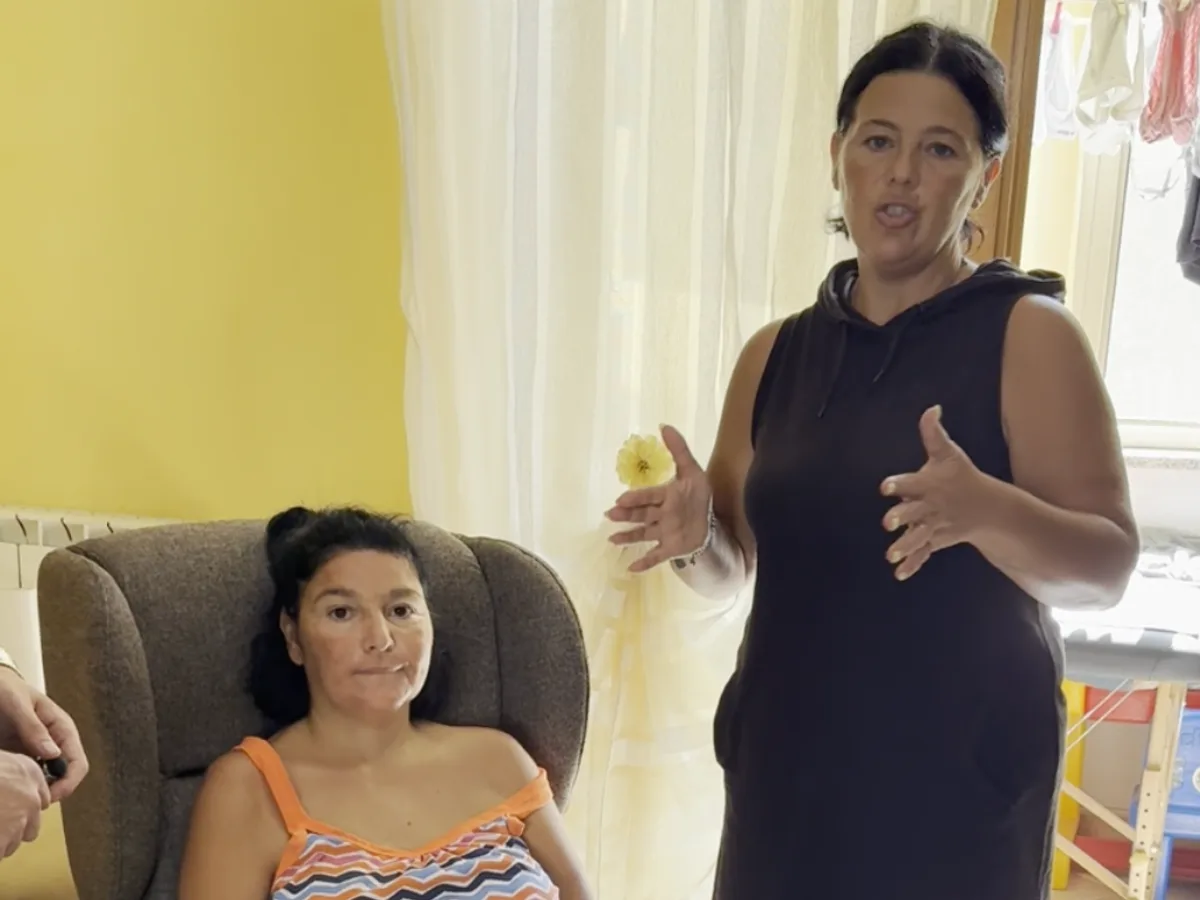
“He climbed the stairs at home without pulling on the railing. Just like that. Our son is eight and has Duchenne. Stairs had been impossible for over a year. His physiotherapist confirmed real improvement in his walking endurance. That one moment on the stairs meant more to us than any test result.”
Patient’s mother
Duchenne Muscular Dystrophy · Germany
Every case is assessed individually by our physician team. Request a consultation to discuss your specific situation with our physician team.
Request ConsultationPatient Cases
Documented treatment outcomes recorded by the BioCells Medical team after personalised regenerative medicine protocols.
Get Started
Our medical team is available for a free consultation based on your MD subtype, current functional status and prior treatment history. We work with children and adults, from ambulatory to non-ambulatory, at every stage of the disease.
We review every inquiry personally. You will speak with a physician, not an administrator.
Submit your case online or by phone
Our medical consultant contacts you to review your documents
The medical board presents your personalised treatment plan
Request a Consultation
Tell us about your condition. Our medical consultant will contact you within 24 hours to review your documents.
Open Consultation FormMultilingual coordination — English, Italian, French, Russian, Polish
Evidence Base
Our clinical approach is informed by and consistent with published research in the field of regenerative medicine.