CHILDREN AGED 4–18 · ALL ASD LEVELS (DSM-5) · NON-VERBAL INCLUDED
A physician-led, child-appropriate programme supporting communication, sensory regulation, behaviour and daily functioning — targeting the immune and neurological mechanisms associated with ASD.
Request Medical ConsultationAbout the Condition
Autism Spectrum Disorder (ASD) is a neurodevelopmental condition characterised by differences in social communication, sensory processing, behaviour and adaptive functioning. It is called a ‘spectrum’ because the range of severity, presentation and functional impact varies enormously from child to child.
ASD is now diagnosed in approximately 1 in 36 children in the United States (CDC 2023) and is increasing in prevalence globally. While the genetic and neurological basis of ASD is complex and not fully understood, research has identified several biological mechanisms that influence symptom burden and which can be modified through targeted intervention.
These biological mechanisms — separate from the underlying genetic architecture — represent modifiable targets for cellular and immunomodulatory intervention. Our programme does not alter genetics or claim to ‘cure’ autism. It targets the biological factors that may amplify symptom burden, with the goal of supporting communication, regulation and daily functioning.
Level 1 (Mild) — Requires Support
Children at Level 1 may speak in full sentences but struggle with the back-and-forth of conversation. They may have difficulty making friends, show inflexible behaviour patterns and struggle with transitions or unexpected changes. Without support, these difficulties can limit social participation and academic performance.
Level 2 (Moderate) — Requires Substantial Support
Children at Level 2 have more pronounced communication challenges — limited verbal output, difficulty with non-verbal communication (eye contact, gestures), restricted interests and repetitive behaviours that interfere with daily functioning. Social interaction requires structured support.
Level 3 (Severe) — Requires Very Substantial Support
Children at Level 3 have minimal verbal communication or are non-verbal. Social interaction is severely limited. Repetitive behaviours and sensory sensitivities significantly impact daily life. Transitions and changes in routine may cause extreme distress. Even incremental functional gains at this level carry profound impact for the child and family.
ASD with Co-occurring Conditions
Many children with ASD have co-occurring conditions including ADHD, anxiety, sleep disorders, epilepsy, gastrointestinal dysfunction and sensory processing disorder. Our medical assessment evaluates the full clinical picture, and protocols are adapted to address the specific combination of challenges each child faces.
Our program is individually adapted for all subtypes and all stages of progression.
Important: Each child is accepted into the programme only after an individual medical assessment — evaluating ASD severity, developmental profile, immune markers and medical history. There are no standard protocols — every programme is designed for the specific child.
The BioCells Program
Our ASD programme targets the biological mechanisms that may amplify symptom burden — particularly immune dysregulation, neuroinflammation and metabolic imbalance. The goal is not to change who the child is, but to reduce the biological barriers that may limit their development and daily functioning.
Minimally invasive administration
Treatment minimises stress for sensory-sensitive children. No surgical procedures, no general anaesthesia. Every step is adapted for child comfort.
Intranasal exosome delivery — completely non-invasive
The child inhales the formulation through the nose. No injection required. This route is specifically designed for children with sensory sensitivities.
Complementary to existing therapies
Does not replace ABA, speech therapy or occupational therapy. Children continue all current programmes without interruption.
Targets modifiable biological mechanisms
Immune dysregulation, neuroinflammation and mitochondrial dysfunction are biological factors that research associates with symptom burden in ASD — and which can be influenced through targeted intervention.
Available for all ASD levels including non-verbal children
Our programme is designed for the full spectrum — from Level 1 through Level 3, including non-verbal children where even small gains in communication or regulation carry profound impact.
Paediatric specialist team
Every aspect of the programme — from cell collection to rehabilitation — is supervised by specialists experienced in working with children on the autism spectrum.
What It Is
T-regs are specialised immune cells that naturally suppress excessive immune activity. In children with ASD who show signs of immune imbalance or chronic inflammatory activation, T-regs support the restoration of normal immune regulation.
How It Is Done
T-regs may be collected from the child’s own blood via standardised low-volume collection under paediatric supervision — or donor-derived where appropriate. All preparation and quality testing performed in our laboratory.
Biological Mechanisms
How This Helps in Autism Spectrum Disorder
The developing brain is particularly sensitive to inflammatory stress. In children with ASD where immune markers suggest dysregulation, T-regs help restore the regulatory balance that keeps inflammation from interfering with neural development, communication pathways and sensory processing.
Your Medical Board
The exact combination, dosage, sequencing and delivery method of all five components is determined individually by our medical board for each child. No two treatment protocols are identical. Every programme is designed specifically for the child’s age, developmental profile, immune status and clinical priorities.
Your protocol is designed individually. Speak with our medical team to understand what your personalised program would include.
Request ConsultationPatient Journey
Your child’s case is reviewed remotely by our physician team. We assess the ASD diagnosis, severity level, developmental history, current therapies and biological markers. This consultation is free and carries no obligation.
An individual therapeutic strategy is designed based on the child’s developmental profile, immune status, metabolic markers and clinical priorities. This is a bespoke programme, not a standard protocol.
Cell collection (autologous or donor), processing and quality testing in our laboratory. Each batch receives a full traceability certificate. This stage typically takes 2–3 weeks.
Intranasal exosome delivery combined with IV or minimally invasive cell administration. No surgery. No general anaesthesia. Every aspect is adapted for child comfort and minimal distress.
Structured sessions with our paediatric rehabilitation specialist — sensory integration, motor coordination and adaptive skill support. Sessions are play-based and adapted to the child’s developmental level.
A dedicated specialist monitors behavioural progress, sleep patterns, regulation and developmental milestones. The family is included throughout. Regular check-ins ensure the programme’s impact is tracked and documented.
The first step is free. Request a medical consultation and our medical consultant will contact you within 24 hours.
Request ConsultationSafety Profile
Safety is our primary priority in every aspect of the ASD programme. All procedures are adapted to the child’s age, weight, sensory sensitivity and clinical profile. The programme is designed to be well-tolerated by children across the autism spectrum, including those with severe sensory sensitivities, anxiety and co-occurring conditions.
The ASD programme has a minimum age of 4 years. Each application below age 4 is evaluated individually. All eligibility is confirmed by paediatric physician assessment before treatment commences.
We understand that medical procedures can be stressful for children with ASD. Every aspect of the treatment environment is designed with this in mind — from the clinic setting to the pace and sequencing of procedures.
Standard Contraindications
Active acute infection or fever at time of treatment
Active malignancy
Specific immune deficiencies requiring separate evaluation
Post-Treatment
Dedicated paediatric rehabilitation specialist
monitors behavioural regulation, communication and developmental milestones
Family coaching
practical support and guidance for parents and caregivers throughout follow-up
Medical-grade monitoring (when appropriate)
tracking sleep patterns, activity and behavioural indicators
Long-term clinical coordinator support
proactive check-ins, progress review and protocol adjustment
Continued clinical access
our medical team remains available for ongoing reassessment and guidance
We understand that ASD affects the entire family — not just the child. Our follow-up is designed with this in mind. Parents receive structured guidance on supporting developmental gains at home, and our coordinator is available for questions between scheduled check-ins.
Patient Stories
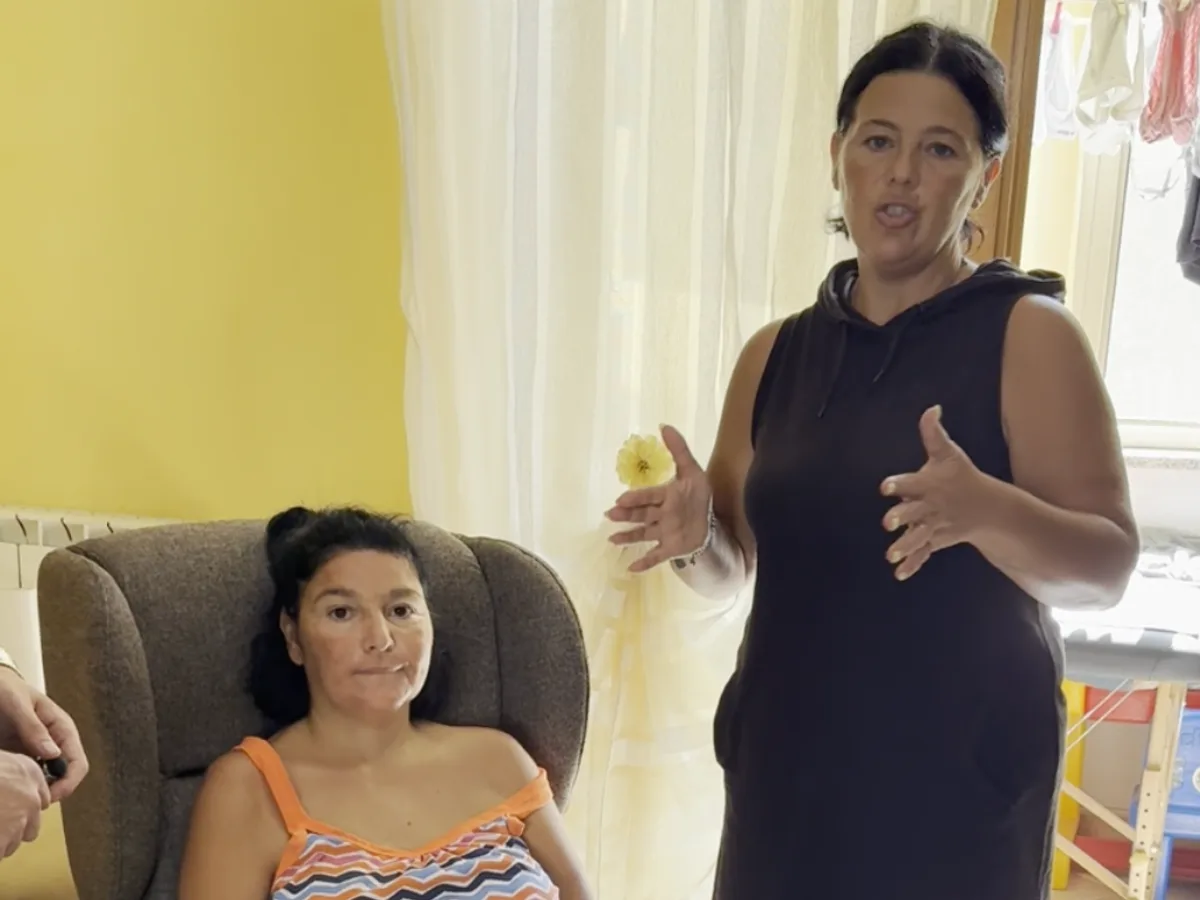
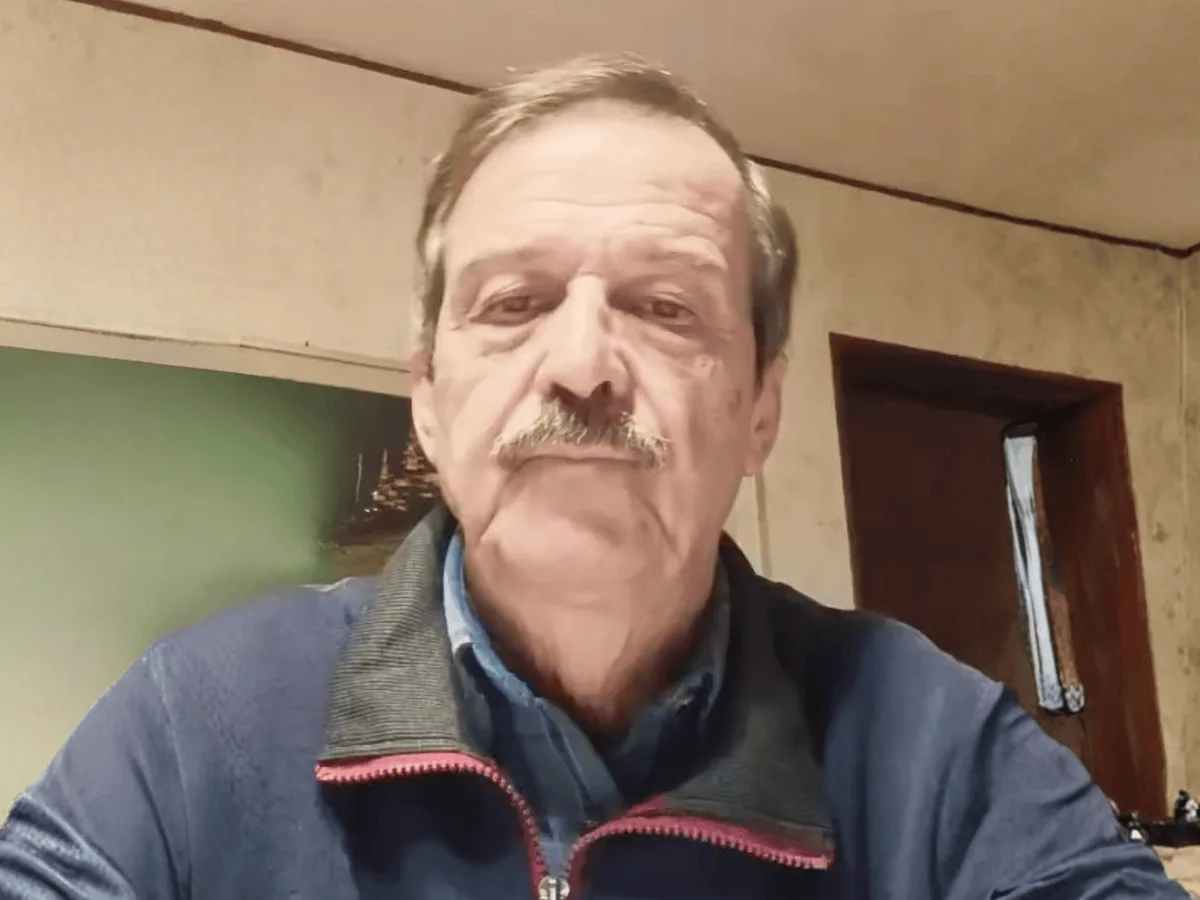
“‘Want juice.’ ‘Go outside.’ Our son had maybe ten words at age six, most of them unclear. After the programme he started combining words into short phrases. His speech therapist said the progress was more than she’d seen in the entire previous year. He’s communicating now. That’s what matters.”
Patient’s father
Autism Spectrum Disorder, Level 2 · France
Every case is assessed individually by our physician team. Request a consultation to discuss your specific situation with our physician team.
Request ConsultationPatient Cases
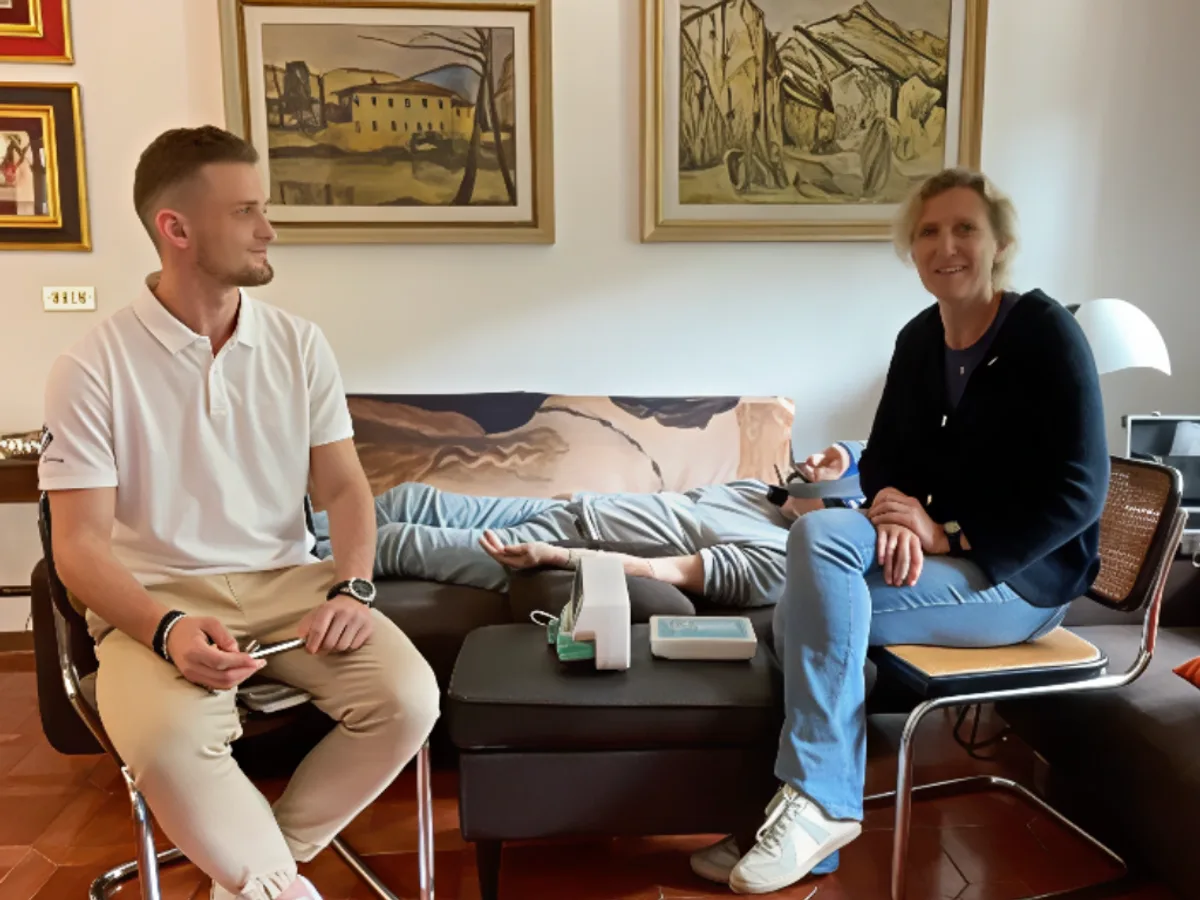
Documented treatment outcomes recorded by the BioCells Medical team after personalised regenerative medicine protocols.
Get Started
Our medical team is available for a free consultation based on your child’s ASD diagnosis, severity level and developmental profile. We work with children at all levels of the spectrum — including non-verbal children and those with co-occurring conditions.
All consultations are conducted with full respect for the child’s dignity, the family’s concerns and the complexity of life with autism.
Submit your case online or by phone
Our medical consultant contacts you to review your documents
The medical board presents your personalised treatment plan
Request a Consultation
Tell us about your condition. Our medical consultant will contact you within 24 hours to review your documents.
Open Consultation FormMultilingual coordination — English, Italian, French, Russian, Polish
Evidence Base
Our clinical approach is informed by and consistent with published research in the field of regenerative medicine.