MSA-P · MSA-C · ALL STAGES
A physician-led programme targeting the neuroinflammatory, autonomic and cerebellar mechanisms of MSA — designed to stabilise motor and autonomic function, slow progression and preserve independence.
Request Medical ConsultationAbout the Condition
Multiple System Atrophy (MSA) is a rare, progressive neurodegenerative disease characterised by a combination of parkinsonism, cerebellar dysfunction and autonomic failure. Unlike idiopathic Parkinson’s disease, MSA involves widespread neuronal loss across multiple brain systems simultaneously — the basal ganglia, cerebellum, brainstem and spinal autonomic centres.
MSA affects approximately 3–5 people per 100,000. The disease typically presents between ages 50 and 60 and progresses more rapidly than Parkinson’s disease. Median survival from symptom onset is 6–9 years. The underlying pathology involves abnormal accumulation of alpha-synuclein in oligodendrocytes (glial cytoplasmic inclusions), which distinguishes MSA from other synucleinopathies.
There is currently no approved disease-modifying therapy for MSA. Standard treatment is limited to symptomatic management of parkinsonism, orthostatic hypotension and other autonomic symptoms. Our programme targets the neuroinflammatory and metabolic mechanisms that drive MSA progression — the dimension that conventional medication does not address.
MSA-P (Parkinsonian Type)
The predominant motor presentation is parkinsonism — rigidity, bradykinesia, postural instability and sometimes tremor. MSA-P accounts for approximately 60% of MSA cases in Western populations. Unlike idiopathic Parkinson’s, MSA-P responds poorly or transiently to levodopa. Early autonomic dysfunction (orthostatic hypotension, urinary problems) is a distinguishing feature.
MSA-C (Cerebellar Type)
The predominant motor presentation is cerebellar ataxia — gait instability, limb incoordination, scanning speech and oculomotor dysfunction. MSA-C accounts for approximately 40% of cases in Western populations but is more common in East Asian populations. Cerebellar atrophy is typically visible on MRI.
MSA with Prominent Autonomic Failure
Some patients present with severe autonomic dysfunction as the dominant feature — orthostatic hypotension causing recurrent syncope, neurogenic bladder, erectile dysfunction and gastrointestinal dysmotility. Autonomic failure in MSA can be profoundly disabling and is often the most immediate threat to quality of life and safety.
Our program is individually adapted for all subtypes and all stages of progression.
Important: Each patient is accepted into the programme only after a comprehensive individual medical assessment evaluating MSA subtype, UMSARS score, autonomic function testing, MRI findings and current medication.
The BioCells Program
MSA involves alpha-synuclein-driven glial pathology, widespread neuroinflammation and progressive neuronal loss across multiple brain systems. Our protocol addresses the inflammatory and metabolic dimensions of this process. Each programme is constructed individually after a detailed evaluation of the patient’s MSA subtype, dominant symptoms and functional status.
Addresses multiple brain systems simultaneously
MSA affects basal ganglia, cerebellum and brainstem autonomic centres at once. Our systemic cellular approach targets all three — unlike medication that addresses only one dimension.
Targets what levodopa cannot
MSA responds poorly to levodopa because the pathology extends far beyond dopaminergic pathways. Our programme targets the neuroinflammatory and glial mechanisms that levodopa does not reach.
Minimally invasive administration
Treatment is delivered by intravenous infusion or targeted injection. Well-tolerated in patients with autonomic instability, where anaesthesia carries additional risk.
Addresses autonomic dysfunction directly
Orthostatic hypotension, bladder dysfunction and gastrointestinal problems are often the most disabling aspects of MSA. Our protocol targets the brainstem and spinal autonomic pathways involved.
Compatible with existing medication
Patients continue levodopa, midodrine, fludrocortisone and other current medications without interruption. Our programme integrates with the existing management plan.
No risk of immune rejection
MSCs are immunoprivileged: they express low levels of HLA-I, lack HLA-II and carry a minimal risk of rejection whether the protocol is autologous or allogeneic. Allogeneic MSC protocols do not require immunosuppression.
What It Is
T-regs are specialised immune cells that suppress destructive inflammatory processes. In MSA, chronic neuroinflammation driven by microglial activation and astrogliosis contributes to oligodendrocyte death and secondary neuronal loss. T-regs counteract this cascade directly.
How It Is Done
Delivered autologously (from the patient’s own blood) or allogeneically (from a certified donor), based on the patient’s immune profile and clinical assessment. All preparation and quality testing performed in our laboratory.
Biological Mechanisms
How This Helps in Multiple System Atrophy
In MSA, the immune system responds to alpha-synuclein accumulation in oligodendrocytes with aggressive inflammation that damages nearby neurons as collateral. T-regs suppress this destructive immune response, reducing the secondary neuronal damage that drives the rapid progression MSA is known for.
Your Medical Board
The exact combination, dosage, sequencing and delivery method of all five components is determined individually by our medical board for each patient. No two treatment protocols are identical. Your programme is constructed based on your specific MSA subtype, dominant symptoms, UMSARS score and clinical priorities.
Your protocol is designed individually. Speak with our medical team to understand what your personalised program would include.
Request ConsultationPatient Journey
Your case is reviewed remotely by our physician team. We assess your MSA subtype, UMSARS score, autonomic function, MRI findings and medication history. This consultation is free and carries no obligation.
A detailed review of all medical documentation. Our medical board evaluates eligibility, confirms safety and designs a personalised protocol adapted to your MSA subtype, dominant symptoms and functional status.
Cells are collected, isolated, expanded and quality-tested in our laboratory. Each batch receives a full traceability certificate. This stage typically takes 2–3 weeks.
Cells are delivered by intravenous infusion or targeted local administration — no surgery, no general anaesthesia.
Structured rehabilitation sessions adapted to your dominant symptoms — gait and balance training (MSA-C), motor coordination (MSA-P), autonomic management strategies and fall prevention.
Your dedicated coordinator monitors motor and autonomic status, tracks UMSARS progression, provides clinical guidance and adjusts recommendations. A medical-grade wearable bracelet supports continuous tracking of mobility, blood pressure patterns and sleep quality.
The first step is free. Request a medical consultation and our medical consultant will contact you within 24 hours.
Request ConsultationSafety Profile
The programme is designed to be well-tolerated by MSA patients, including those with significant autonomic instability. Autonomic status is carefully assessed before treatment, and protocols are adapted to ensure haemodynamic safety during and after infusion. Mild transient reactions — brief fatigue or injection-site sensitivity — may occur and typically resolve within 24–48 hours.
Autonomic instability is a key safety consideration in MSA patients. Blood pressure is monitored continuously during and after treatment. Patients with severe orthostatic hypotension may require adapted infusion protocols and post-treatment monitoring.
All contraindications are evaluated individually. A contraindication in one clinical context does not necessarily preclude treatment in a different context.
Standard Contraindications
Active acute infection or fever
Active malignancy or ongoing chemotherapy
Severe decompensated cardiac failure
Pregnancy
Post-Treatment
Dedicated rehabilitation specialist
motor, balance and autonomic rehabilitation adapted to MSA subtype
Medical-grade wearable monitoring
tracking mobility, blood pressure patterns, sleep and activity
Long-term coordinator support
UMSARS retesting, autonomic assessment and clinical guidance
Personalised autonomic management plan
strategies for orthostatic hypotension, bladder and GI symptoms
Continued clinical access
our medical team remains available for ongoing reassessment and protocol adjustment
MSA progresses faster than idiopathic Parkinson’s disease. In this context, functional stabilisation itself is a clinically meaningful outcome. Our follow-up programme is designed to track the stability of functional gains and respond to the evolving clinical needs of MSA patients.
Patient Stories
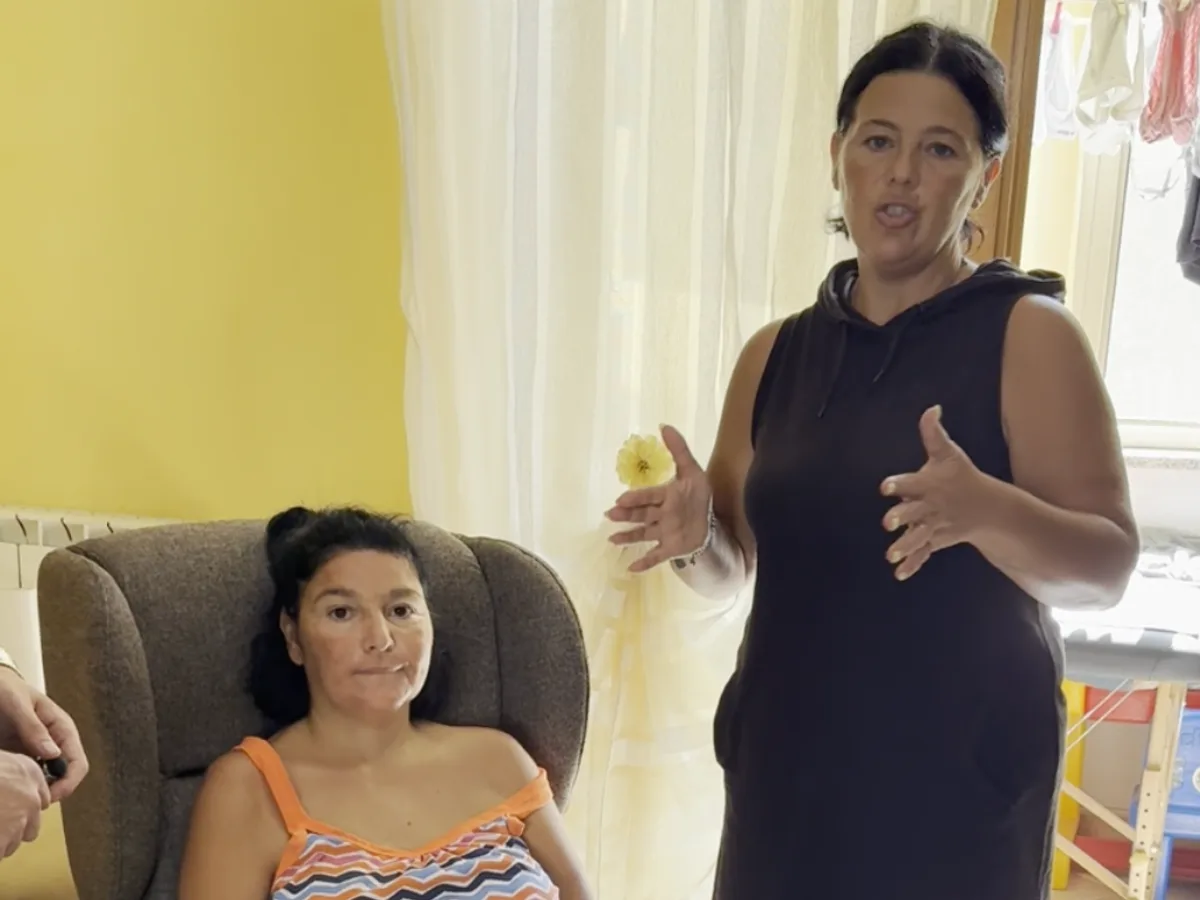
“The falls went from every day to maybe twice a month. My husband would stand up from a chair and just go down. His blood pressure would drop to nothing. After treatment he can stand up slowly and stay on his feet. His doctor in Vienna confirmed the improvement is real.”
Patient’s wife
MSA-P · Austria
Every case is assessed individually by our physician team. Request a consultation to discuss your specific situation with our physician team.
Request ConsultationPatient Cases
Documented treatment outcomes recorded by the BioCells Medical team after personalised regenerative medicine protocols.
Get Started
Our medical team is available for a free consultation based on your MSA subtype, current UMSARS assessment and autonomic status. We work with patients at every stage — from recently diagnosed to advanced MSA.
We review every inquiry personally. You will speak with a physician, not an administrator.
Submit your case online or by phone
Our medical consultant contacts you to review your documents
The medical board presents your personalised treatment plan
Request a Consultation
Tell us about your condition. Our medical consultant will contact you within 24 hours to review your documents.
Open Consultation FormMultilingual coordination — English, Italian, French, Russian, Polish
Evidence Base
Our clinical approach is informed by and consistent with published research in the field of regenerative medicine.