IDIOPATHIC · YOUNG-ONSET · PARKINSONISM · ALL STAGES
A physician-led programme targeting the neuroinflammatory and dopaminergic mechanisms of Parkinson’s disease — designed to reduce tremor, improve motor control and support long-term functional stability.
Request Medical ConsultationAbout the Condition
Parkinson’s Disease is a progressive neurodegenerative condition caused by the gradual loss of dopaminergic neurons in the substantia nigra — the brain region responsible for coordinating smooth, controlled movement. As dopamine production falls, patients experience tremor, rigidity, slowness of movement and postural instability.
Parkinson’s affects approximately 10 million people worldwide and is the second most common neurodegenerative disease after Alzheimer’s. While levodopa and other dopaminergic medications are effective at managing motor symptoms in the early stages, they do not slow the underlying neurodegeneration — and their effectiveness typically decreases over time, leading to motor fluctuations and dyskinesia.
Our programme is available for all forms of parkinsonism, with protocols individually adapted to each patient’s neurological profile, disease stage and medication history.
Idiopathic Parkinson’s Disease
The most common form, representing approximately 80–85% of all cases. The cause remains unknown, though a combination of genetic susceptibility and environmental factors is suspected. Onset is typically between ages 55 and 65. Progression is highly variable — some patients remain functionally stable for years while others decline rapidly.
Young-Onset Parkinson’s Disease (YOPD)
Diagnosis before age 50, representing approximately 5–10% of cases. YOPD often involves a stronger genetic component and tends to progress more slowly than late-onset forms. However, the psychological and professional impact is often greater, as patients face decades of disease management during their most active years.
Multiple System Atrophy (MSA)
An atypical parkinsonian syndrome characterised by a combination of parkinsonism, cerebellar dysfunction and autonomic failure. MSA is more aggressive than idiopathic Parkinson’s and responds poorly to levodopa. Our programme addresses the neuroinflammatory and metabolic components that drive MSA progression.
Progressive Supranuclear Palsy (PSP)
Another atypical parkinsonian disorder, primarily affecting balance, eye movement and swallowing. PSP is caused by accumulation of tau protein in brain cells. Like MSA, it has limited response to standard Parkinson’s medication. Our protocol is adapted for the specific neurological profile of PSP patients.
Our program is individually adapted for all subtypes and all stages of progression.
Important: Each patient is accepted into the programme only after a comprehensive individual medical assessment evaluating diagnosis, UPDRS score, medication regimen, motor symptom pattern and disease duration.
The BioCells Program
Parkinson’s disease involves both chronic neuroinflammation and progressive loss of dopaminergic neurons. Our protocol works on both dimensions simultaneously. Each programme is constructed individually after a detailed evaluation of the patient’s neurological profile, motor symptoms and medication response.
Targets neuroinflammation — the driver of neuron loss
Levodopa manages symptoms but does not slow neurodegeneration. Our protocol targets the chronic neuroinflammation that accelerates dopaminergic neuron death.
Compatible with all current PD medications
Patients continue levodopa, dopamine agonists and other medications without interruption. Our programme integrates with your existing treatment plan.
Available for all stages and subtypes
From early-stage idiopathic PD to advanced parkinsonism, MSA and PSP. Protocols are individually adapted regardless of disease duration.
Minimally invasive administration
Treatment is delivered by intravenous infusion or targeted injection. Well-tolerated in elderly patients and those with co-existing conditions.
Addresses what levodopa cannot
Levodopa replaces dopamine but does not protect the neurons that produce it. Our programme targets the neuroprotective dimension that medication alone does not reach.
No risk of immune rejection
MSCs are immunoprivileged: they express low levels of HLA-I, lack HLA-II and carry a minimal risk of rejection whether the protocol is autologous or allogeneic. Allogeneic MSC protocols do not require immunosuppression.
What It Is
T-regs are specialised immune cells that naturally suppress destructive inflammatory processes. In Parkinson’s, chronic neuroinflammation driven by microglial overactivation contributes significantly to dopaminergic neuron death. T-regs counteract this process directly.
How It Is Done
Delivered autologously (from the patient’s own blood) or allogeneically (from a certified donor), based on the patient’s clinical indications. All preparation and quality testing performed in our laboratory.
Biological Mechanisms
How This Helps in Parkinson’s Disease
Research shows that Parkinson’s patients have reduced T-reg function, which allows neuroinflammation to proceed unchecked. Supplementing T-regs restores the immune balance that the disease disrupts, reducing the chronic inflammatory damage to dopaminergic pathways and helping to stabilise motor function.
Your Medical Board
The exact combination, dosage, sequencing and delivery method of all five components is determined individually by our medical board for each patient. No two treatment protocols are identical. Your programme is constructed based on your specific diagnosis, disease stage, UPDRS score and clinical priorities.
Your protocol is designed individually. Speak with our medical team to understand what your personalised program would include.
Request ConsultationPatient Journey
Your case is reviewed remotely by our physician team. We assess your diagnosis, UPDRS score, current medication and motor symptom pattern. This consultation is free and carries no obligation.
A detailed review of all medical documentation. Our medical board evaluates eligibility, confirms safety parameters and designs your personalised protocol for your PD subtype and functional status.
Your cells are collected, isolated, expanded and quality-tested in our laboratory. Each batch receives a full traceability certificate. This stage typically takes 2–3 weeks.
Cells are delivered by intravenous infusion or targeted local administration — no surgery, no general anaesthesia.
Structured rehabilitation sessions adapted to your current motor function — gait training, balance exercises, fine motor coordination and speech therapy where indicated.
Your dedicated coordinator monitors motor status, tracks UPDRS progression, provides clinical guidance and adjusts recommendations. A medical-grade wearable bracelet supports continuous tracking of tremor, mobility and sleep quality.
The first step is free. Request a medical consultation and our medical consultant will contact you within 24 hours.
Request ConsultationSafety Profile
The programme is generally well-tolerated by Parkinson’s patients, including those of advanced age or with co-existing cardiovascular, metabolic or musculoskeletal conditions. Mild transient reactions — brief fatigue, injection-site sensitivity or low-grade temperature — may occur and typically resolve within 24–48 hours.
A final medical assessment is performed on-site before every treatment session. If a patient’s clinical status has changed — including significant motor deterioration — the protocol is adjusted accordingly.
All contraindications are evaluated individually. A contraindication in one clinical context does not necessarily preclude treatment in a different context.
Standard Contraindications
Active acute infection or fever
Active malignancy or ongoing chemotherapy
Severe decompensated cardiac or renal failure
Pregnancy
Post-Treatment
Dedicated rehabilitation specialist
motor recovery programme adapted to PD-specific needs
Medical-grade wearable monitoring
tracking tremor patterns, mobility, gait and sleep quality
Long-term coordinator support
including guidance on medication optimisation timing
Personalised rehabilitation programme
gait, balance, fine motor and speech exercises
Continued clinical access
our medical team remains available for ongoing reassessment and protocol adjustment
Parkinson’s is a long-term condition. The period following treatment is when biological changes consolidate into functional improvement. Consistent monitoring allows us to track progress, adjust recommendations and respond to evolving clinical needs.
Patient Stories
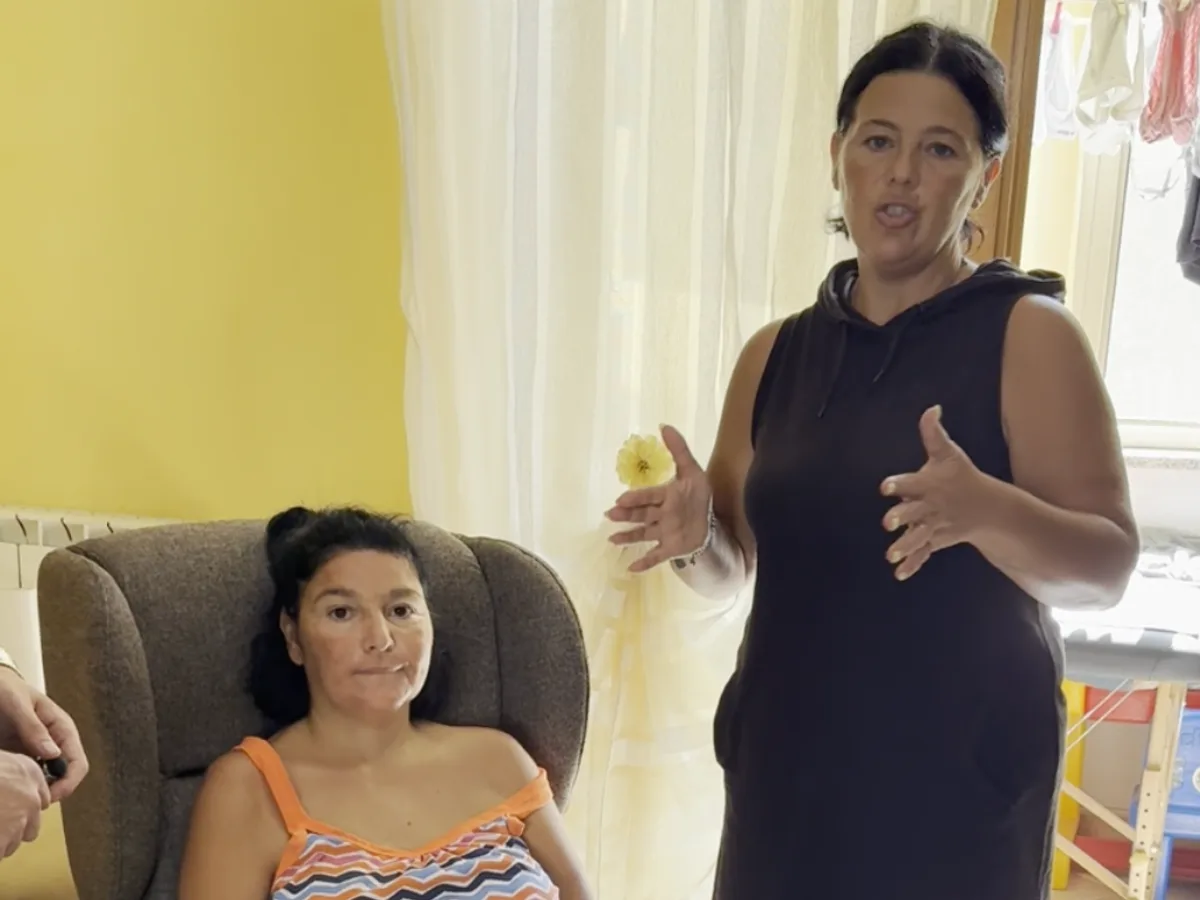
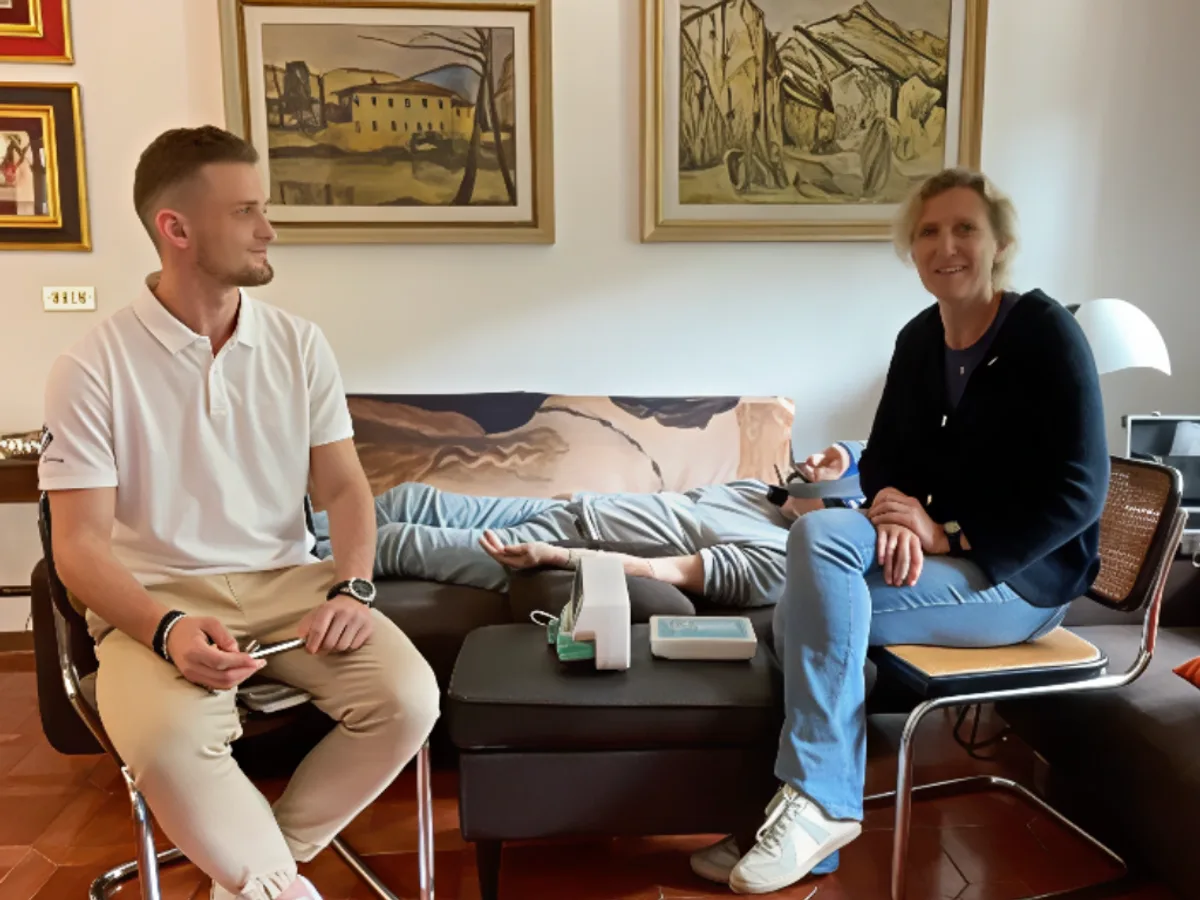
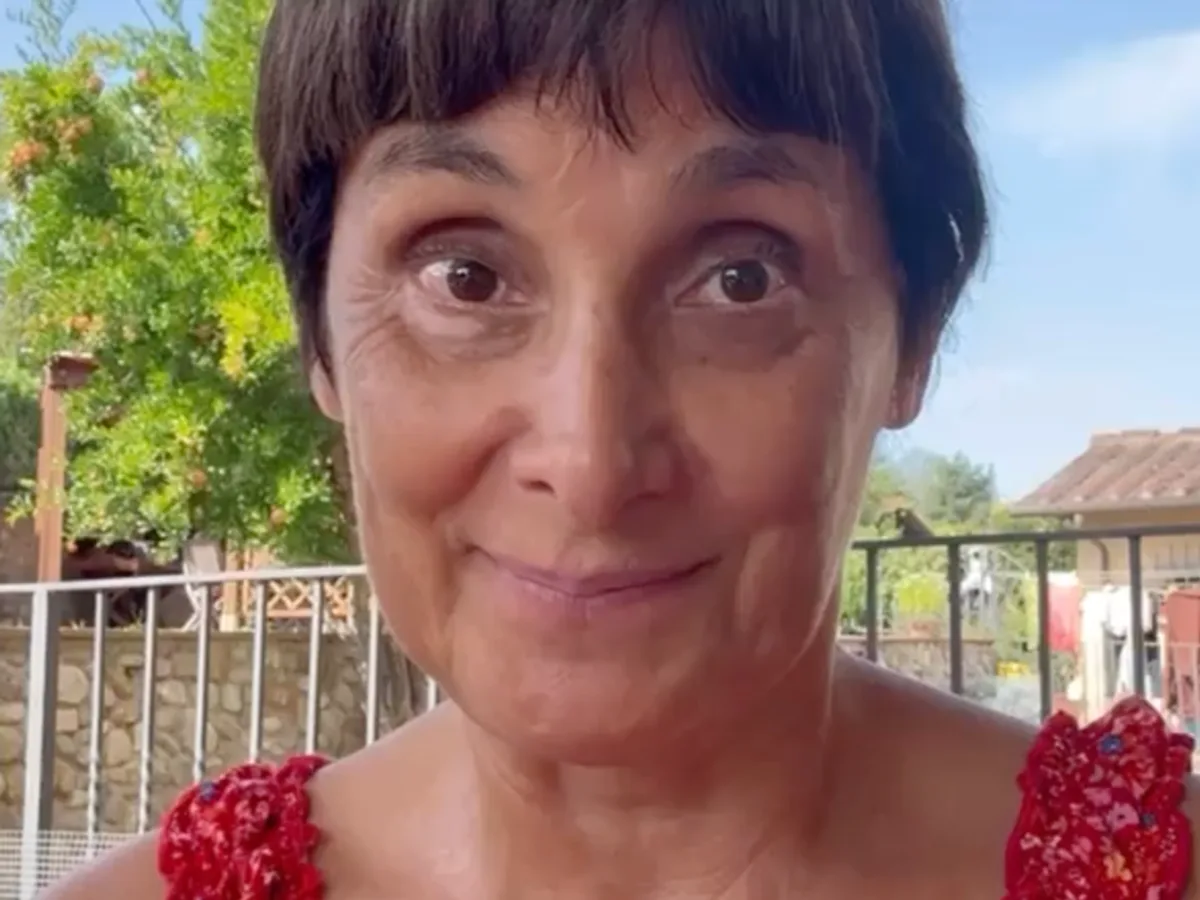
“I picked up a pen and wrote a full sentence. Not pretty, but legible. Before treatment I couldn’t sign my own name. The morning stiffness eased up too — I get out of bed and move without waiting twenty minutes for the medication to kick in.”
Patient
Parkinson’s Disease · Italy
Every case is assessed individually by our physician team. Request a consultation to discuss your specific situation with our physician team.
Request ConsultationPatient Cases
Documented treatment outcomes recorded by the BioCells Medical team after personalised regenerative medicine protocols.
Get Started
Our medical team is available for a free consultation based on your Parkinson’s diagnosis, current UPDRS assessment and medication status. We work with patients at every stage — from early PD to advanced parkinsonism.
We review every inquiry personally. You will speak with a physician, not an administrator.
Submit your case online or by phone
Our medical consultant contacts you to review your documents
The medical board presents your personalised treatment plan
Request a Consultation
Tell us about your condition. Our medical consultant will contact you within 24 hours to review your documents.
Open Consultation FormMultilingual coordination — English, Italian, French, Russian, Polish
Evidence Base
Our clinical approach is informed by and consistent with published research in the field of regenerative medicine.