SPASTIC · DYSKINETIC · ATAXIC · ALL GMFCS LEVELS
A physician-led programme targeting the neuroinflammatory, motor and developmental mechanisms of cerebral palsy — designed to improve motor function, reduce spasticity and support neurological development in children and adults.
Request Medical ConsultationAbout the Condition
Cerebral Palsy (CP) is a group of permanent movement disorders caused by non-progressive damage to the developing brain — most commonly occurring before, during or shortly after birth. It is the most common motor disability in childhood, affecting approximately 2–3 per 1,000 live births worldwide.
The brain injury itself does not worsen over time, but its consequences — spasticity, abnormal movement patterns, postural instability and secondary musculoskeletal problems — evolve as the child grows. Many children with CP also experience co-occurring conditions: epilepsy, speech and language difficulties, intellectual disability, visual impairment and chronic pain.
Conventional management focuses on physiotherapy, orthotics, botulinum toxin injections and orthopaedic surgery. These approaches manage symptoms but do not address the underlying neurological damage. Our programme targets the neuroinflammatory residue and impaired neural connectivity that persist after the original brain injury — the dimension that rehabilitation alone cannot reach.
Spastic Cerebral Palsy
The most common type, accounting for approximately 70–80% of cases. Characterised by increased muscle tone (hypertonia), stiff movements and exaggerated reflexes. Classified by distribution: hemiplegia (one side), diplegia (mainly legs) or quadriplegia (all four limbs). Spasticity results from damage to the motor cortex or corticospinal tracts.
Dyskinetic Cerebral Palsy
Characterised by involuntary, uncontrolled movements — dystonia (sustained twisting postures) or choreoathetosis (writhing, unpredictable movements). Results from damage to the basal ganglia. Muscle tone fluctuates between hypotonia and hypertonia. Accounts for approximately 10–15% of cases.
Ataxic Cerebral Palsy
The least common form, accounting for approximately 5% of cases. Characterised by poor balance, unsteady gait, difficulty with fine motor tasks and intention tremor. Results from damage to the cerebellum. Children often appear uncoordinated and have difficulty with precise voluntary movements.
Our program is individually adapted for all subtypes and all stages of progression.
Important: Each patient is accepted into the programme only after a comprehensive individual medical assessment evaluating CP subtype, GMFCS level, MRI findings, seizure history, current medication and rehabilitation status.
The BioCells Program
Cerebral Palsy involves a fixed brain injury complicated by chronic neuroinflammation, impaired neural connectivity, ongoing oxidative stress and secondary musculoskeletal consequences. Our protocol addresses the neuroinflammatory and metabolic dimensions that limit recovery beyond what rehabilitation alone achieves. Each programme is constructed individually after a detailed evaluation of the patient's CP subtype, GMFCS level, age and functional priorities.
Targets what rehabilitation cannot reach
Physiotherapy trains muscles and movement patterns; our programme addresses the neuroinflammatory environment and impaired connectivity in the brain itself — the root limitation on motor recovery.
Maximises the neuroplasticity window
By reducing neuroinflammation and supporting neural connectivity, cellular therapy creates optimal conditions for the brain to respond to rehabilitation. Many families report that physiotherapy becomes more productive after treatment.
Minimally invasive administration
Treatment is delivered by intravenous infusion or targeted injection. Well-tolerated in paediatric patients, with protocols adapted for age and comfort.
Addresses spasticity at the neural level
Botulinum toxin and baclofen manage spasticity at the muscle level. Our programme addresses the dysfunctional motor circuits in the brain that generate excessive spastic signalling.
Compatible with existing therapy
Patients continue physiotherapy, occupational therapy, speech therapy, anticonvulsants and other current medications without interruption. Our programme integrates with the existing management plan.
No risk of immune rejection
MSCs are immunoprivileged: they express low levels of HLA-I, lack HLA-II and carry a minimal risk of rejection whether the protocol is autologous or allogeneic. Allogeneic MSC protocols do not require immunosuppression.
What It Is
T-regs are specialised immune cells that suppress destructive inflammatory processes. In cerebral palsy, the immune system's response to the original brain injury can remain chronically dysregulated, with elevated pro-inflammatory cytokines and persistent microglial activation maintaining a state of low-grade neuroinflammation.
How It Is Done
Delivered autologously (from the patient's own blood) or allogeneically (from a certified donor), based on the patient's immune profile and clinical assessment. Paediatric protocols are adapted for age, weight and immune maturity. All preparation and quality testing performed in our laboratory.
Biological Mechanisms
How This Helps in Cerebral Palsy
In many children with CP, the immune system never fully resolved its response to the original brain injury. This chronic low-grade inflammation actively inhibits myelination and neural circuit development — the very processes that underlie motor learning. T-regs suppress this lingering immune response, potentially allowing motor pathways to develop connections that were previously blocked by the inflammatory environment.
Your Medical Board
The exact combination, dosage, sequencing and delivery method of all five components is determined individually by our medical board for each patient. Paediatric protocols are adapted for age, weight and developmental stage. No two treatment protocols are identical. Your child's programme is constructed based on their specific CP subtype, GMFCS level, age and clinical priorities.
Your protocol is designed individually. Speak with our medical team to understand what your personalised program would include.
Request ConsultationPatient Journey
Your case is reviewed remotely by our physician team. We assess CP subtype, GMFCS level, MRI findings, seizure history and current rehabilitation programme. This consultation is free and carries no obligation.
A detailed review of all medical documentation. Our medical board evaluates eligibility, confirms safety and designs a personalised protocol adapted to the patient's CP subtype, age, functional level and developmental priorities.
Cells are collected, isolated, expanded and quality-tested in our laboratory. Each batch receives a full traceability certificate. This stage typically takes 2–3 weeks.
Cells are delivered by intravenous infusion or targeted local administration — no surgery, no general anaesthesia. Paediatric protocols are adapted for comfort and safety.
Structured rehabilitation sessions adapted to age and functional level — gross motor training, fine motor exercises, speech therapy support and postural management. Designed to maximise the neuroplasticity window following cellular therapy.
Your dedicated coordinator monitors motor development, tracks GMFCS progression, provides clinical guidance and adjusts recommendations. A medical-grade wearable bracelet supports continuous tracking of movement patterns and functional milestones.
The first step is free. Request a medical consultation and our medical consultant will contact you within 24 hours.
Request ConsultationSafety Profile
The programme is designed to be well-tolerated by paediatric and adult CP patients. Protocols are adapted for age, weight and any co-occurring conditions such as epilepsy. Mild transient reactions — brief fatigue or injection-site sensitivity — may occur and typically resolve within 24–48 hours.
Epilepsy co-occurs in approximately 25–35% of CP patients. Stable, medically managed epilepsy is not a contraindication to treatment. Patients with active, uncontrolled seizures require stabilisation before enrolment. Anticonvulsant medication is continued throughout the programme.
All contraindications are evaluated individually. A contraindication in one clinical context does not necessarily preclude treatment in a different context.
Standard Contraindications
Active acute infection or fever
Active malignancy or ongoing chemotherapy
Uncontrolled seizure activity (stable epilepsy is not a contraindication)
Pregnancy
Post-Treatment
Dedicated rehabilitation specialist
motor, developmental and speech rehabilitation adapted to age and GMFCS level
Medical-grade wearable monitoring
tracking movement patterns, functional milestones and activity levels
Long-term coordinator support
GMFCS retesting, developmental assessment and clinical guidance
Personalised home rehabilitation plan
exercises and activities designed to maintain and build on treatment gains
Continued clinical access
our medical team remains available for ongoing reassessment and protocol adjustment
Cerebral palsy involves a fixed brain injury, but its functional consequences evolve throughout life — particularly during childhood growth and development. Our follow-up programme tracks motor and developmental progress longitudinally, adapting recommendations to the patient's evolving clinical needs and rehabilitation goals.
Patient Stories
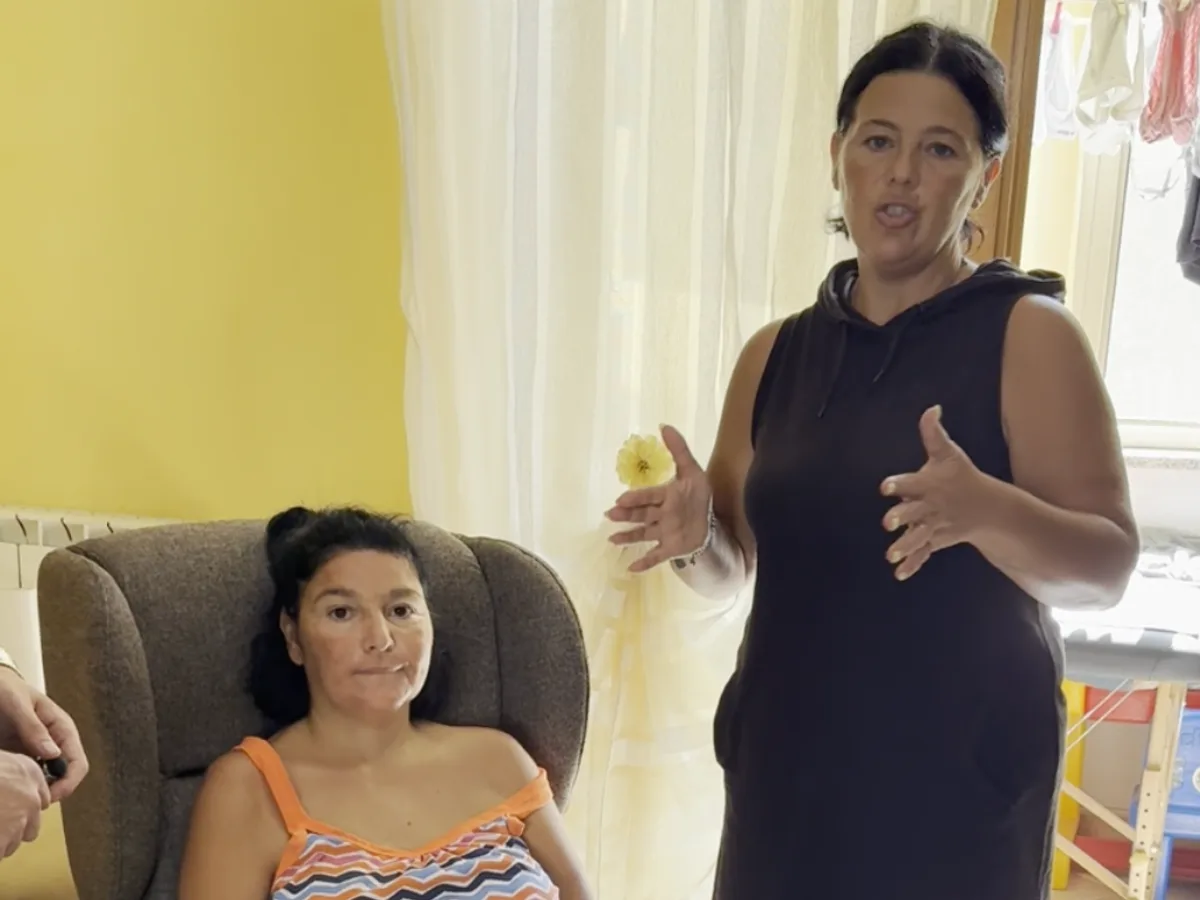
“He took his first independent steps. Short, wobbly, but independent. Our son is five, spastic diplegia. He could stand holding furniture but walking on his own seemed unlikely. After the programme, something shifted. His physiotherapist in Amsterdam said it was the first meaningful jump since he started rehab at age two. He walks with orthoses now. Before, he was in a wheelchair full-time.”
Patient's mother
Spastic diplegia, GMFCS III · Netherlands
Every case is assessed individually by our physician team. Request a consultation to discuss your specific situation with our physician team.
Request ConsultationPatient Cases
Documented treatment outcomes recorded by the BioCells Medical team after personalised regenerative medicine protocols.
Get Started
Our medical team is available for a free consultation based on your child's CP subtype, GMFCS level and current rehabilitation programme. We work with patients at every functional level — from independently ambulatory to wheelchair-dependent.
We review every inquiry personally. You will speak with a physician, not an administrator.
Submit your case online or by phone
Our medical consultant contacts you to review your documents
The medical board presents your personalised treatment plan
Request a Consultation
Tell us about your condition. Our medical consultant will contact you within 24 hours to review your documents.
Open Consultation FormMultilingual coordination — English, Italian, French, Russian, Polish
Evidence Base
Our clinical approach is informed by and consistent with published research in the field of regenerative medicine.