
Sclérose en plaques — Force retrouvée et autonomie restaurée
Sclérose en plaques secondairement progressive (SEP-SP)
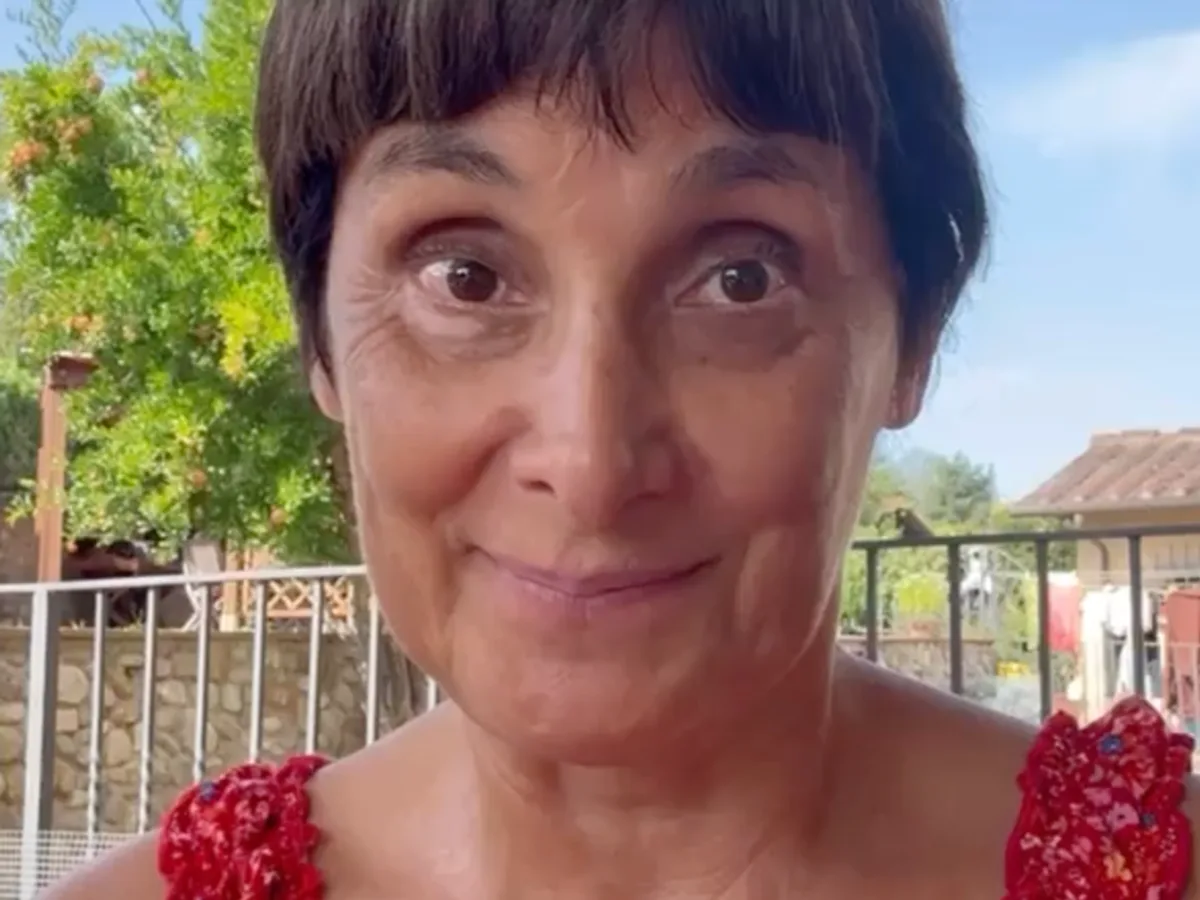
Patient
Silvia Baistrocchi, 56 ans
Origine
Italie
Diagnostic
Sclérose en plaques secondairement progressive (SEP-SP)
Traitement
Mai 2024, avec perfusions de rappel dans les mois suivants
Auteur
Dr Uladzislau Tsvirko
Antécédents du patient
Silvia Baistrocchi, une femme italienne de 56 ans, vit depuis longtemps avec une sclérose en plaques secondairement progressive (SEP-SP). Au fil du temps, l'évolution de la maladie a entraîné une détérioration motrice avancée, une faiblesse musculaire généralisée et une fatigue croissante. Elle est ainsi devenue dépendante du fauteuil roulant et a rencontré des difficultés croissantes dans les activités quotidiennes, avec une nette réduction de l'endurance physique et de l'autonomie.
Protocole de traitement
- •Perfusion intraveineuse de cellules souches mésenchymateuses (CSM) allogéniques
- •Administration intranasale de CSM et d'exosomes purifiés
- •Thérapie par inhalation nébulisée avec biofacteurs régénératifs
- •Deux perfusions de rappel supplémentaires de CSM administrées dans les mois suivants
- •Intégré à un programme de rééducation structurée continue
Évolutions fonctionnelles rapportées
- •Augmentation de la force musculaire, en particulier aux membres inférieurs
- •Endurance et tolérance améliorées lors des séances de kinésithérapie
- •Capacité retrouvée de se lever du fauteuil roulant et d'effectuer plusieurs pas avec assistance
- •Maintien des progrès fonctionnels malgré une infection intestinale prolongée en décembre 2024
- •Récupération plus rapide que prévu après l'épisode infectieux
- •Amélioration durable de l'autonomie quotidienne, de la confiance physique et de la qualité de vie
Observations vidéo
Suivi et surveillance continue
Silvia reste sous observation médicale continue et poursuit une kinésithérapie structurée. Depuis le dernier traitement de rappel, aucune nouvelle détérioration fonctionnelle n'a été rapportée. Le suivi clinique continue de porter sur le maintien de la stabilité et l'accompagnement d'une adaptation fonctionnelle supplémentaire.
Contexte clinique
Ce cas illustre comment une approche personnalisée de médecine régénérative, adaptée au stade de la maladie, peut soutenir la capacité fonctionnelle et la résilience systémique chez les patients atteints de sclérose en plaques progressive. À BioCells Medical, les stratégies thérapeutiques sont élaborées individuellement, en tenant compte avec attention du stade de la maladie, du statut neurologique et des objectifs de rééducation, et sont accompagnées d'une supervision médicale continue.
Remarque : Toutes les observations rapportées dans ce cas reposent sur la communication de suivi post-traitement avec la famille du patient et l'équipe clinique. Les résultats individuels varient. Ce cas ne constitue pas une étude clinique et ne saurait être interprété comme une garantie de résultat.
Besoin d'un avis médical ?
Demandez une consultation médicale avec notre équipe.
Demander une consultation→