
Riabilitazione nella demenza: efficacia e sicurezza
Dr. Roman Zinevich
23 aprile 2026
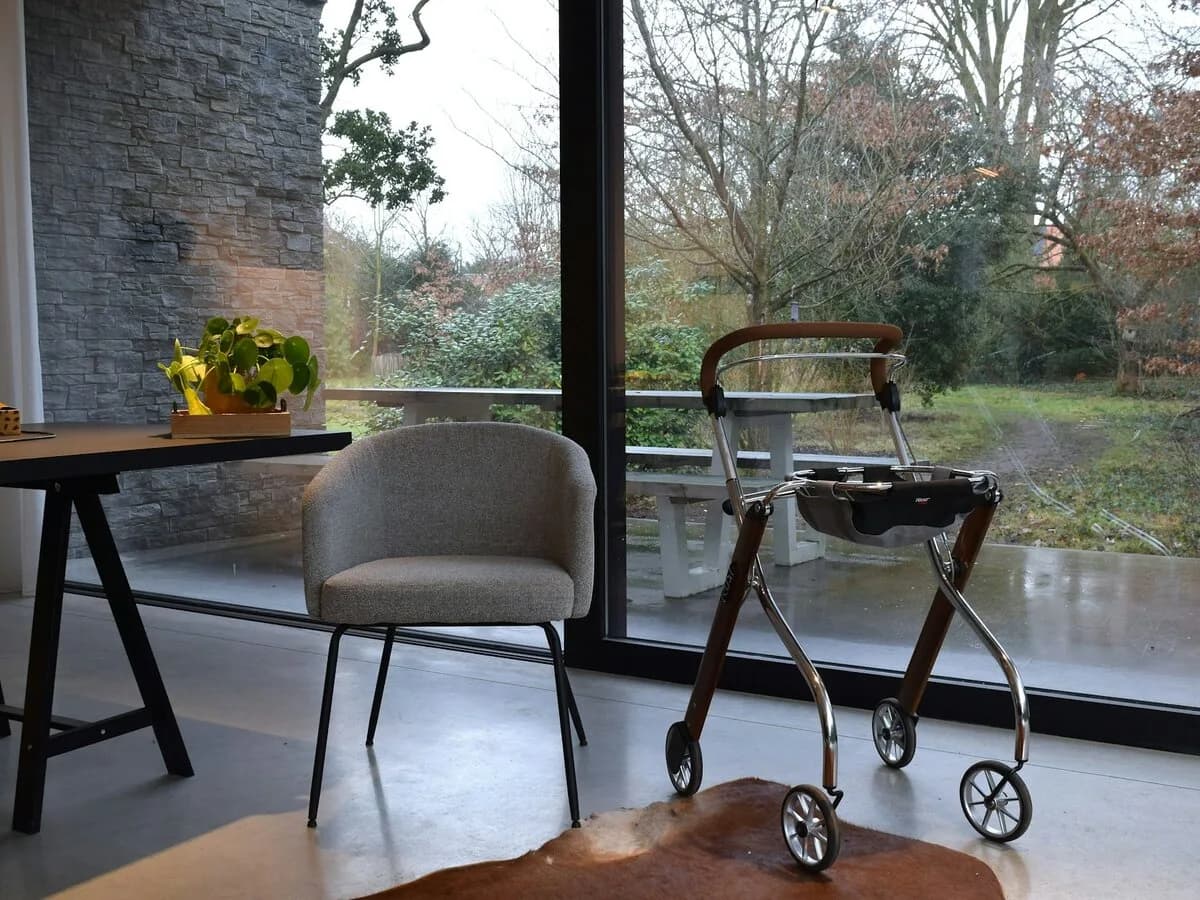
Le revisioni sistematiche contemporanee mostrano che la riabilitazione nella demenza migliora la funzione motoria, riduce il rischio di caduta e supporta l'autonomia nelle attività della vita quotidiana. Benefici cognitivi sono possibili, ma dipendono dall'età e dai parametri del programma.
Perché la riabilitazione nella demenza
La demenza è una malattia neurodegenerativa progressiva che erode la funzione cognitiva, compromette l'attività motoria e mina l'autonomia nella vita quotidiana. La terapia farmacologica ha un'efficacia limitata e non modifica il decorso della malattia — motivo per cui gli approcci non farmacologici, compresa la riabilitazione nella demenza e malattia di Alzheimer, ricevono crescente attenzione clinica come via per preservare mobilità e autonomia.
Tipologie di interventi riabilitativi
Una revisione sistematica di 194 studi sperimentali (fino a luglio 2022) ha individuato gli approcci più frequentemente utilizzati: allenamento aerobico (42% degli studi), allenamento della forza (41%), training dell'equilibrio (25%) e stretching (11%). Molti programmi combinano più modalità, riflettendo il consenso attuale a favore di un approccio multicomponente.
Effetti sulla funzione motoria
La maggior parte degli studi riporta effetti positivi coerenti sulla funzione motoria: miglioramento dell'andatura e dell'equilibrio, riduzione del rischio di caduta, aumento della forza muscolare e migliore resistenza fisica. Anche nelle demenze da moderate a gravi, gli interventi fisici orientati alla funzione aiutano a preservare la mobilità e a ridurre la dipendenza fisica dall'assistenza.
Effetti sulla funzione cognitiva
Le evidenze sugli esiti cognitivi sono discordanti. Una meta-analisi di 20 RCT (2.051 pazienti) non ha rilevato un miglioramento statisticamente significativo delle misure cognitive globali, ma un'analisi per sottogruppi ha mostrato beneficio nei pazienti di età inferiore a 80 anni. L'analisi di sensibilità suggerisce che, con durata, regolarità e dosaggio individualizzato adeguati, l'esercizio possa rallentare il declino cognitivo. La riabilitazione non sostituisce la terapia cognitiva ma può svolgere un ruolo di supporto, particolarmente nelle fasi più precoci.
Attività della vita quotidiana (ADL)
Le evidenze più robuste riguardano le ADL. I programmi di allenamento multicomponente producono un effetto modesto ma statisticamente significativo sull'autonomia funzionale. I partecipanti che hanno ricevuto una riabilitazione strutturata hanno gestito meglio la cura di sé rispetto a quelli in sola assistenza standard. Questo è importante perché la conservazione delle ADL è direttamente legata alla qualità della vita e alla riduzione del carico assistenziale del caregiver.
Sicurezza e conclusioni cliniche
Negli studi esaminati sono stati registrati 1.119 eventi avversi, la maggior parte dei quali lievi (affaticamento, indolenzimento muscolare, disagio di breve durata) — a conferma che, con un dosaggio adeguato, la riabilitazione è relativamente sicura. Conclusioni complessive: la riabilitazione è efficace nella demenza per funzione motoria e ADL; il beneficio cognitivo è possibile ma dipende da età, stadio di malattia e parametri del training; l'approccio più promettente è un programma multicomponente, di lunga durata, adattato all'individuo.