
Riabilitazione nella sclerosi laterale amiotrofica: le basi scientifiche
Dr. Roman Zinevich
23 aprile 2026
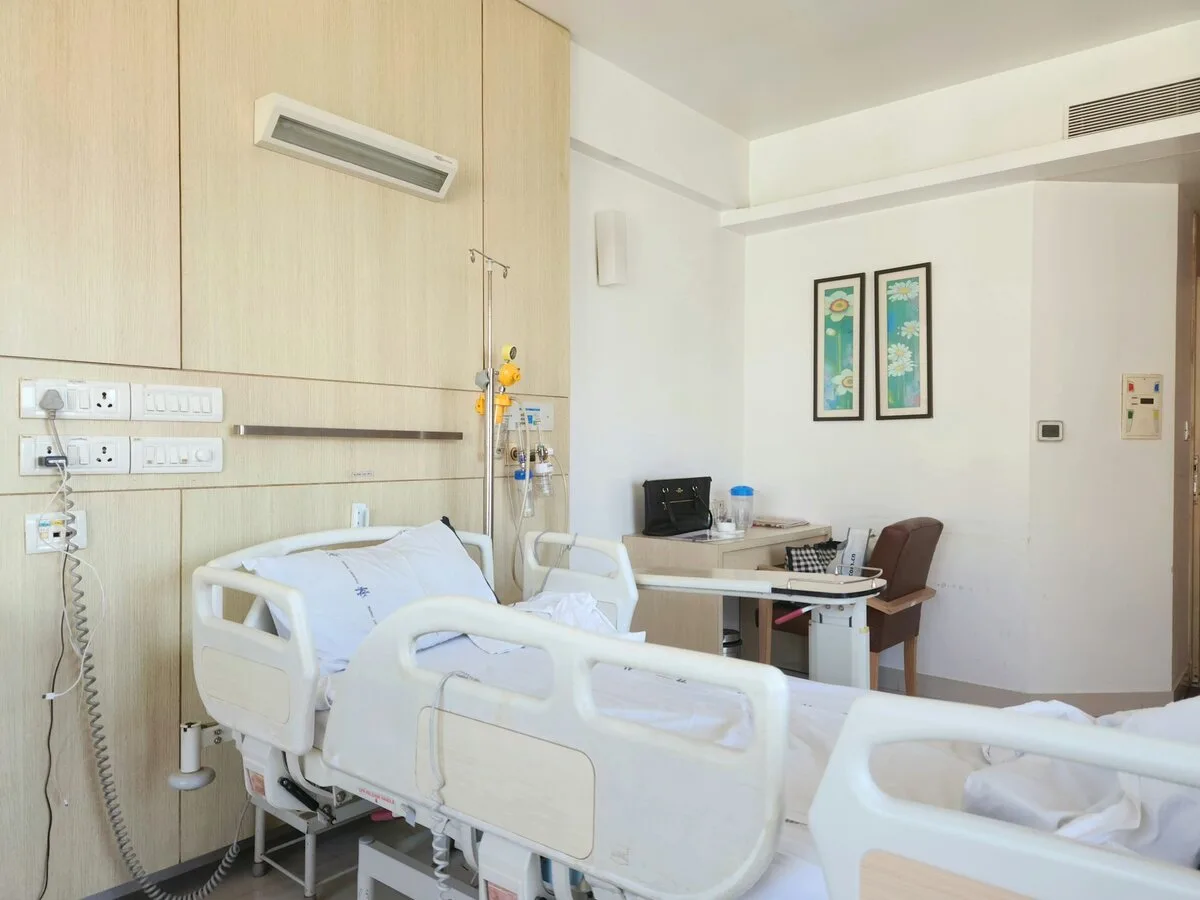
Le meta-analisi di studi randomizzati mostrano che la riabilitazione nella SLA è sicura, sostiene la funzione respiratoria e lo stato funzionale e riduce il rischio di infezioni respiratorie — una delle complicanze più gravi della malattia.
Perché la riabilitazione nella SLA
La sclerosi laterale amiotrofica (SLA) è una malattia neurodegenerativa progressiva che colpisce i motoneuroni e porta a crescente debolezza muscolare, perdita di autonomia funzionale e insufficienza respiratoria. In assenza di terapie in grado di modificare il decorso della malattia, gli interventi non farmacologici di supporto ricevono crescente attenzione clinica. Le revisioni sistematiche e le meta-analisi contemporanee confermano che la riabilitazione nella SLA è sicura e offre un supporto clinicamente significativo a stato funzionale, funzione respiratoria e qualità della vita.
Allenamento dei muscoli respiratori
L'allenamento dei muscoli inspiratori ed espiratori è tra gli interventi riabilitativi più studiati nella SLA. Una meta-analisi di studi controllati randomizzati mostra che un allenamento mirato incrementa la forza dei muscoli respiratori — comprese le pressioni inspiratoria ed espiratoria massimali — e migliora l'efficienza ventilatoria aumentando la riserva muscolare. L'intervento è ben tollerato e alcuni studi lo hanno esaminato come possibile fattore prognostico di sopravvivenza. Non sono state osservate variazioni significative della capacità vitale forzata (FVC) o delle misure soggettive di qualità della vita, a riflesso della difficoltà intrinseca di modificare gli esiti globali in una malattia progressiva.
Prevenzione delle infezioni respiratorie
Le infezioni respiratorie restano una delle principali cause di complicanze e ricoveri nella SLA. Con il progredire della malattia, l'indebolimento della muscolatura respiratoria e bulbare riduce l'efficacia della tosse, favorisce la ritenzione delle secrezioni bronchiali, compromette la ventilazione dei lobi inferiori e aumenta il rischio di aspirazione. Gli interventi riabilitativi — allenamento dei muscoli respiratori, tecniche di tosse assistita, metodi di clearance delle vie aeree e gestione posturale — migliorano il drenaggio del muco e la ventilazione, riducendo la probabilità di atelettasia e complicanze infettive. Studi randomizzati diretti con l'infezione come esito primario restano limitati; tuttavia, il razionale fisiopatologico e le linee guida internazionali sulla gestione delle malattie neuromuscolari sottolineano costantemente l'importanza di una riabilitazione respiratoria regolare nella riduzione del rischio di polmonite.
Stato funzionale e qualità della vita
Le revisioni sistematiche di studi randomizzati indicano che la riabilitazione produce miglioramenti a breve termine della funzione globale nei pazienti con SLA. L'effetto è più marcato quando i programmi sono individualizzati e seguiti con costanza. L'impatto su qualità della vita e affaticamento rimane variabile, ma la riabilitazione non aumenta la frequenza degli eventi avversi. Questi dati supportano l'inclusione della riabilitazione nella gestione globale del paziente fin dalle prime fasi di malattia.
Programmi multimodali
Gli esiti funzionali più promettenti derivano da programmi multimodali che combinano esercizio terapeutico, fisioterapia respiratoria, addestramento a strategie compensatorie e adattamento dell'attività fisica allo stadio di malattia. Tali programmi mostrano variazioni positive moderate sulla scala ALSFRS-R e contribuiscono a una preservazione più duratura dell'autonomia funzionale, in particolare nelle fasi iniziali della SLA.
Conclusioni cliniche
Le evidenze cumulative pongono la riabilitazione nella SLA come componente sicura ed essenziale della cura globale. Produce effetti positivi sulla forza dei muscoli respiratori e sullo stato funzionale. La riabilitazione respiratoria svolge un ruolo particolarmente rilevante nella prevenzione delle infezioni respiratorie, migliorando ventilazione e clearance delle vie aeree. Anche laddove le evidenze sugli esiti a lungo termine siano limitate, la riabilitazione rimane un pilastro del supporto alla qualità della vita.