СЦА1 · СЦА2 · СЦА3 (БОЛЕЗНЬ МАЧАДО–ДЖОЗЕФА) · СЦА6 · СЦА7 И ДРУГИЕ ПОДТИПЫ
Программа лечения, направленная на гибель клеток Пуркинье, церебелло-понтинную атрофию и нейровоспаление — разработана для стабилизации моторной координации, замедления прогрессирования заболевания и сохранения функциональной независимости пациентов с генетически подтверждённой спиноцеребеллярной атаксией.
Запросить медицинскую консультациюО заболевании
Спиноцеребеллярная атаксия (СЦА) — группа наследственных нейродегенеративных заболеваний, вызванных патологическим расширением тринуклеотидных CAG-повторов в определённых генах. Эти мутации ведут к выработке токсичных полиглутаминовых белков, которые прогрессивно разрушают клетки Пуркинье в мозжечке и повреждают оливопонтоцеребеллярные цепи, отвечающие за координацию, равновесие, речь и тонкую моторику.
Идентифицировано более 40 генетических подтипов. Наиболее распространённые — СЦА1, СЦА2, СЦА3, СЦА6 и СЦА7 — составляют большинство диагностируемых случаев в мире. Заболевание обычно дебютирует в возрасте от 30 до 50 лет, хотя ювенильные и позднего дебюта формы существуют в зависимости от подтипа и длины повторов.
Не существует фармакологического лечения, способного обратить вспять или остановить генетическую мутацию, лежащую в основе СЦА. Стандартная помощь остаётся паллиативной — физиотерапия, логопедическая терапия и симптоматическое лечение. Наша программа не корригирует генетический дефект. Она направлена на вторичный нейродегенеративный процесс: гибель клеток Пуркинье, атрофию мозжечка, нейровоспаление и нарушение нейронной сигнализации.
СЦА1
Обусловлена расширением CAG-повторов в гене ATXN1. Характеризуется прогрессирующей атаксией походки и конечностей, дизартрией и глазодвигательными нарушениями. На поздних стадиях нередко присоединяются пирамидные знаки и когнитивный дефицит. Типичный дебют — третье-четвёртое десятилетие жизни.
СЦА2
Ассоциирована с расширением гена ATXN2. Ранний признак — замедленные саккады. Прогрессирующая атаксия, периферическая нейропатия и гипорефлексия. У ряда пациентов развивается паркинсонизм. Наиболее высокая распространённость — на Кубе и в отдельных регионах Индии.
СЦА3 (болезнь Мачадо–Джозефа)
Наиболее распространённый подтип СЦА в мире; обусловлен расширением гена ATXN3. Клиническая картина крайне вариабельна — от тяжёлой спастичности и атаксии до периферической нейропатии и дистонии. Характерны экзофтальм и фасцикуляции лицевой мускулатуры. Впервые описана в португальско-азорских семьях.
СЦА6
Обусловлена относительно небольшим расширением CAG-повторов в гене CACNA1A. Отличается поздним дебютом (как правило, после 50 лет), медленным прогрессированием и преимущественно мозжечковым фенотипом. Когнитивные функции пациентов сохраняются дольше. Иногда клинически перекрывается с эпизодической атаксией 2-го типа.
СЦА7
Обусловлена расширением гена ATXN7. Среди подтипов СЦА выделяется прогрессирующей дегенерацией сетчатки (колбочко-палочковая дистрофия), ведущей к нарушению зрения и последующей слепоте наряду с мозжечковой атаксией. Антиципация особенно выражена — длина повторов, как правило, нарастает в каждом следующем поколении.
Наша программа индивидуально адаптируется для всех подтипов и всех стадий прогрессирования.
Важно: Каждый пациент принимается в программу только после всестороннего индивидуального медицинского обследования, включающего оценку генетического диагноза, стадии заболевания, мозжечкового и экстрацеребеллярного поражения и общего клинического профиля.
Программа BioCells
Наша программа при СЦА сочетает пять биологических компонентов в единый персонализированный протокол. Каждый протокол уникален — он разрабатывается на основе детальной медицинской оценки генетического диагноза, мозжечкового и экстрацеребеллярного поражения, стадии заболевания и клинических приоритетов пациента.
Минимально инвазивные методы введения
Лечение проводится внутривенной инфузией или целенаправленной местной инъекцией — без хирургических инструментов.
Без общей анестезии
Важно для пациентов с СЦА, у которых нарушенная бульбарная функция или трудности с глотанием повышают анестезиологический риск.
Нет риска иммунного отторжения
МСК обладают иммунопривилегированным статусом: они экспрессируют низкий уровень HLA-I, не имеют HLA-II и несут минимальный риск отторжения как при аутологичном, так и при аллогенном применении. Аллогенные МСК-протоколы не требуют иммуносупрессии.
Воздействие на нейродегенеративный процесс, а не на генетическую мутацию
Хотя расширение CAG-повторов не может быть скорригировано, наш протокол воздействует на гибель клеток Пуркинье, нейровоспаление и дисфункцию мозжечковых цепей — механизмы, которые превращают генетический дефект в функциональную инвалидизацию.
Совместимость с существующей паллиативной помощью
Наша программа совместима с продолжающейся физиотерапией, логопедическими занятиями и симптоматическими препаратами. Пациентам не нужно прекращать существующее лечение.
Пациенты со всего мира
Мы работаем с пациентами со всего мира. Трансферы из аэропорта, проживание, визовая поддержка и многоязычное сопровождение включены в каждую программу лечения.
Что это
Т-рег — специализированные иммунные клетки, подавляющие чрезмерные и направленные не туда воспалительные реакции в нервной системе. Они являются встроенным механизмом иммунной системы для предотвращения сопутствующего повреждения здоровой нервной ткани.
Как это делается
Вводятся аутологично (из крови самого пациента) или аллогенно (от сертифицированного донора) — в зависимости от иммунного профиля пациента и клинической оценки. Подготовка и контроль качества осуществляются в нашей лаборатории.
Биологические механизмы
Как это помогает при Что такое спиноцеребеллярная атаксия
Агрегация белков, обусловленная расширением CAG-повторов при СЦА, активирует воспалительные реакции микроглии и астроцитов, ускоряющие гибель нейронов сверх того, что само по себе вызывала бы генетическая мутация. Т-рег противодействуют этому вторичному иммуноопосредованному повреждению, снижая скорость гибели клеток Пуркинье и дольше сохраняя функцию мозжечка.
Ваша врачебная коллегия
Точная комбинация, дозировка, последовательность и способ введения всех пяти компонентов определяются нашим медицинским советом индивидуально для каждого пациента. Никакие два протокола лечения не являются идентичными. Ваша программа разрабатывается на основе Вашего конкретного генетического подтипа, стадии заболевания, мозжечкового и экстрацеребеллярного поражения, биологических маркеров и клинических приоритетов.
Ваш протокол разрабатывается индивидуально. Свяжитесь с нашей медицинской командой, чтобы узнать, что будет включать Ваша персонализированная программа.
Запросить консультациюПуть пациента
Ваш случай дистанционно изучает наша команда врачей. Мы оцениваем генетический диагноз, текущие показатели SARA/INAS, историю болезни и цели лечения. Консультация бесплатна и ни к чему не обязывает.
Детальное изучение всей медицинской документации, включая результаты генетического тестирования. Наш медицинский совет оценивает показания, подтверждает параметры безопасности и разрабатывает Ваш персонализированный терапевтический протокол.
Ваши клетки забираются, выделяются, размножаются и проходят контроль качества в нашей лаборатории. Каждая партия получает полный сертификат прослеживаемости. Этот этап обычно занимает 2–3 недели.
Клетки вводятся внутривенной инфузией или путём целенаправленного местного введения — без хирургического вмешательства, без общей анестезии. Трансферы из аэропорта, проживание и визовая поддержка включены в программу для международных пациентов.
Структурированные реабилитационные занятия с нашим специалистом, сфокусированные на мозжечково-специфической тренировке координации, упражнениях на равновесие, переобучении походки и логопедической терапии. Доступны в нашей клинике или дистанционно в координации с Вашей местной медицинской командой.
Ваш персональный координатор отслеживает функциональный статус, следит за прогрессированием по SARA и обеспечивает клиническое руководство. Медицинский носимый прибор поддерживает непрерывный мониторинг состояния здоровья независимо от Вашего местонахождения.
Первый шаг — бесплатно. Запросите медицинскую консультацию, и наш медицинский консультант свяжется с Вами в течение 24 часов.
Запросить консультациюПрофиль безопасности
Клеточная терапия считается безопасной при проведении под надлежащим медицинским контролем и в соответствии с валидированными протоколами. В нашей практике процедура хорошо переносится большинством пациентов с СЦА.
Временные лёгкие реакции — такие как транзиторный локальный дискомфорт в месте инфузии, незначительная усталость или субфебрильная температура — могут наблюдаться у части пациентов. Как правило, они носят кратковременный характер и свидетельствуют об активном вовлечении иммунной системы.
Окончательная медицинская оценка проводится непосредственно перед каждым сеансом лечения. Если состояние пациента изменилось, программа может быть временно скорректирована или отложена по соображениям безопасности.
Все противопоказания оцениваются индивидуально. Противопоказание в одном клиническом контексте не обязательно исключает лечение в другом контексте — это всегда определяется лечащим врачом.
Стандартные противопоказания
Острая инфекция или лихорадка
Активное онкологическое заболевание или проводимая химио- / лучевая терапия
Тяжёлая декомпенсированная сердечная или почечная недостаточность
Беременность
После лечения
Специализированный реабилитолог
контролирует координацию, равновесие, походку и речевую функцию
Персонализированная реабилитационная программа
мозжечково-специфическая тренировка координации, адаптированная к текущим функциональным возможностям
Медицинский носимый прибор
непрерывный сбор физиологических данных для поддержки клинических решений
Долгосрочная поддержка координатора
активные контрольные проверки, отслеживание динамики SARA и клиническое руководство
Непрерывный клинический доступ
наша медицинская команда остаётся доступной для текущей переоценки и корректировки протокола
Биологическая регенерация в мозжечке требует времени, мониторинга и коррекции. Период после лечения не менее важен с медицинской точки зрения, чем само лечение — особенно при прогрессирующем генетическом заболевании, где длительное наблюдение определяет долгосрочные результаты.
Истории пациентов
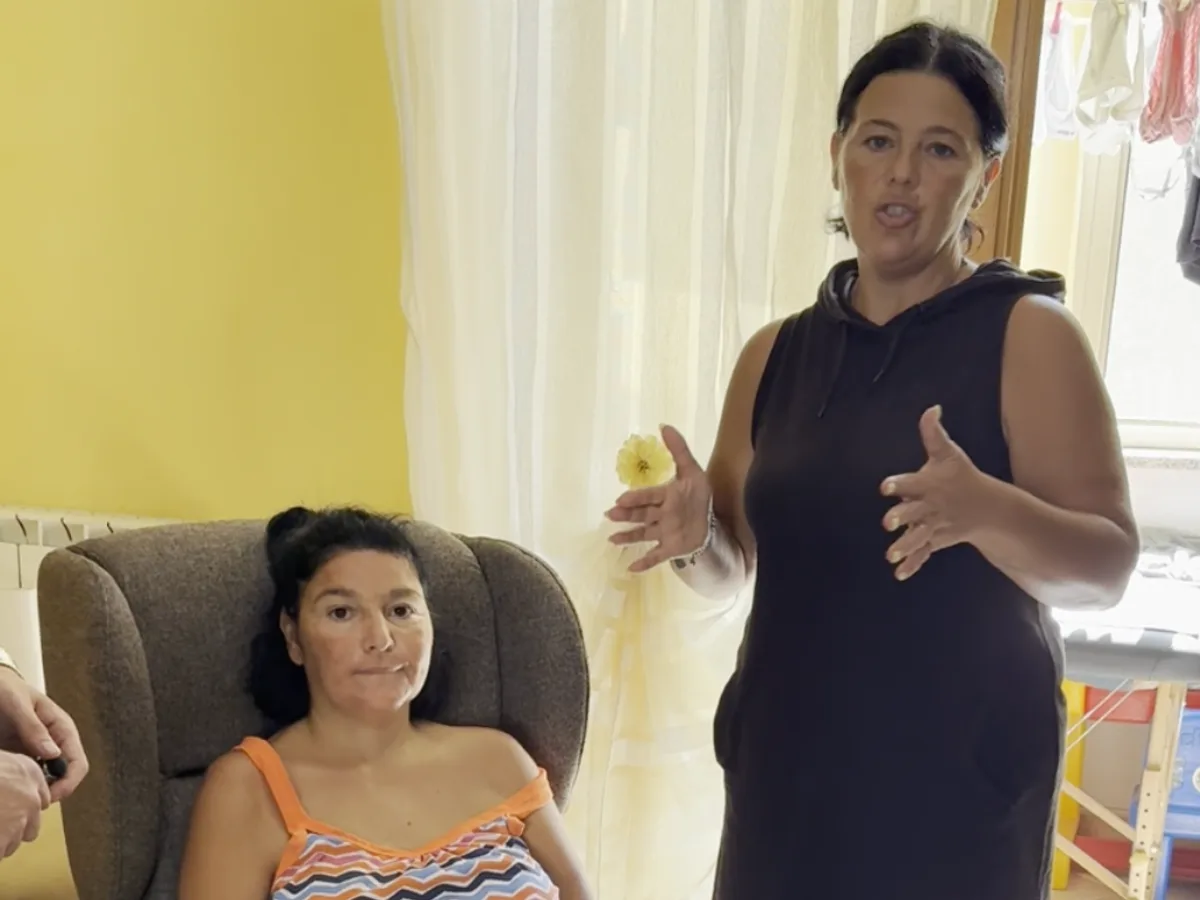
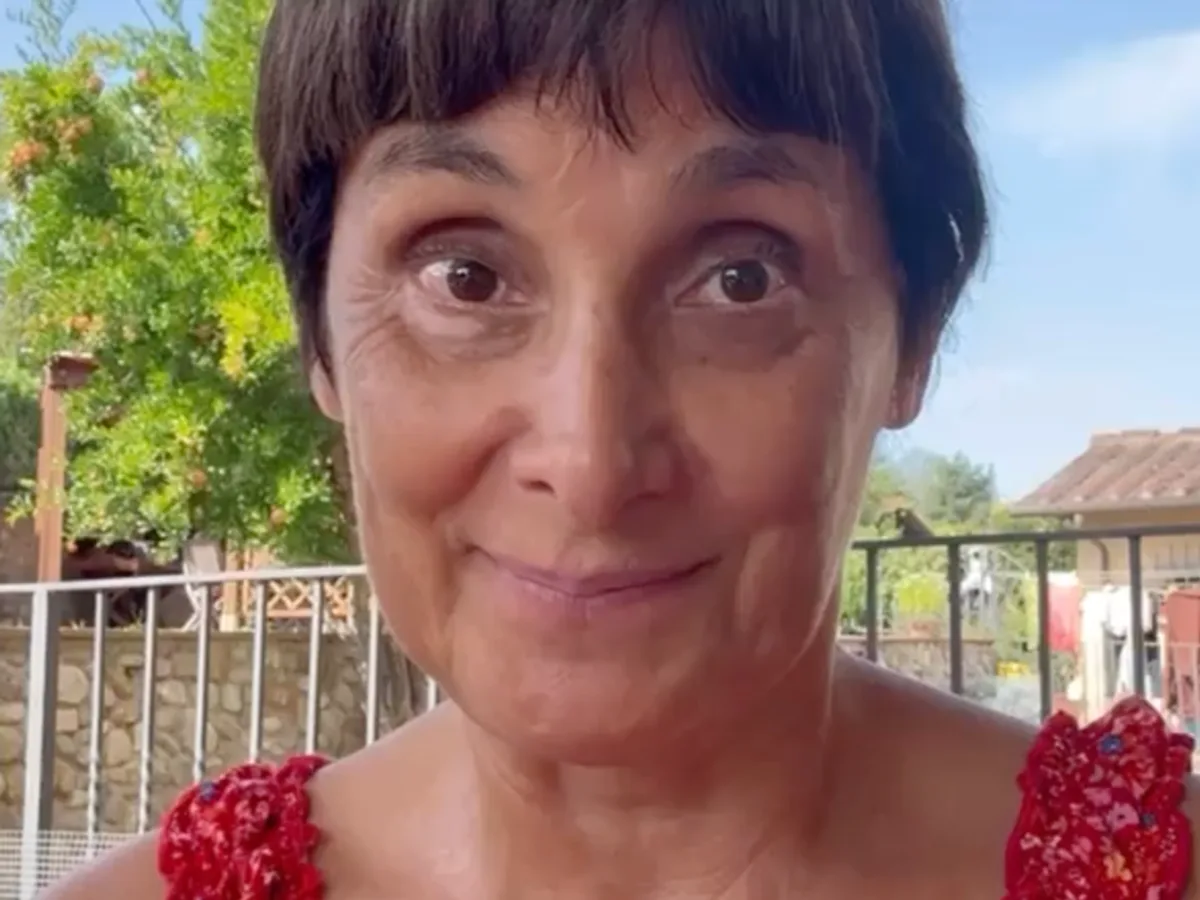
“Мама перестала нуждаться в инвалидном кресле для любых передвижений вне квартиры и снова ходит с тростью на короткие прогулки. Мы прошли программу, что значительно всё упростило. Физиотерапевт зафиксировал реальное улучшение походки. Мы уже не думали, что это возможно.”
Дочь пациентки
СЦА3 (болезнь Мачадо–Джозефа) · Португалия
Каждый случай оценивается индивидуально нашей командой врачей. Запросите консультацию для обсуждения Вашей конкретной ситуации.
Запросить консультациюКлинические наблюдения
Результаты лечения, зафиксированные командой BioCells Medical после проведения персонализированных протоколов регенеративной медицины.
Начать
Если Вам или кому-то из Вашей семьи поставлен диагноз «спиноцеребеллярная атаксия», наша медицинская команда готова провести бесплатную консультацию без каких-либо обязательств — на основе Вашего генетического диагноза, текущей стадии заболевания и индивидуального клинического профиля.
Мы лично рассматриваем каждый запрос. Вы будете говорить с врачом, а не с администратором.
Отправьте заявку онлайн или по телефону
Медицинский консультант свяжется с Вами для изучения документов
Врачебный консилиум представит персонализированную программу лечения
Запросить консультацию
Расскажите нам о Вашем заболевании. Наш медицинский консультант свяжется с Вами в течение 24 часов для изучения документов.
Открыть форму консультацииМногоязычная координация — английский, итальянский, французский, русский, польский
Доказательная база
Наш клинический подход основан на опубликованных исследованиях в области регенеративной медицины и соответствует им.