
Наследственная атаксия — улучшение координации и восстановление речи
Спиноцеребеллярная атаксия 1-го типа (SCA1)
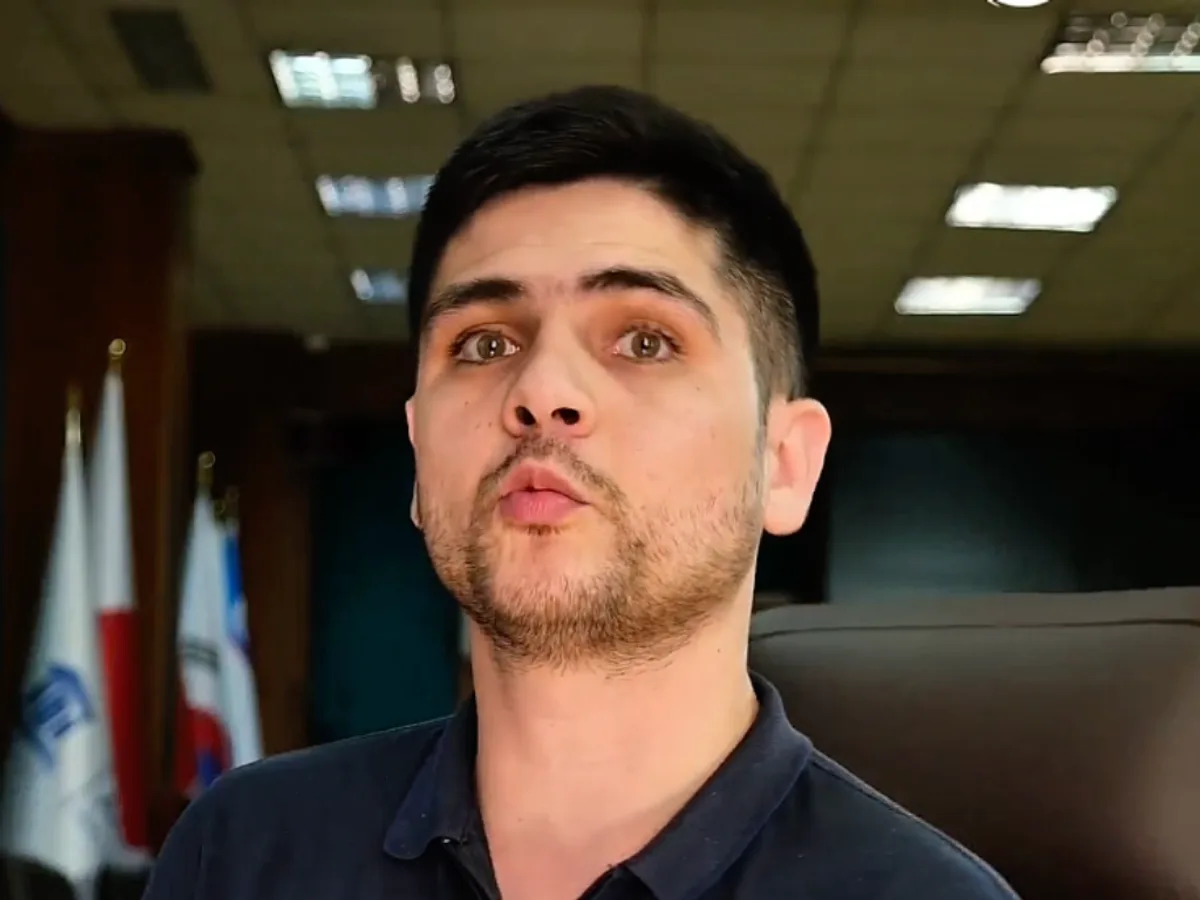
Пациент
Anvar, 31 год
Страна
Ташкент, Узбекистан
Диагноз
Наследственная спиноцеребеллярная атаксия 1-го типа (SCA1) — документированный семейный анамнез
Лечение
Март 2024
Автор
Д-р Владислав Цвирко
Анамнез пациента
Anvar, 31-летний мужчина из Ташкента, Узбекистан, с диагнозом «наследственная спиноцеребеллярная атаксия 1-го типа» (SCA1) — прогрессирующее нейродегенеративное заболевание с документированным семейным анамнезом, включая поражённых родственников первой степени. К моменту консультации состояние сопровождалось нарушением устойчивости походки, расстройством равновесия, снижением мелкой моторики и прогрессирующим ухудшением артикуляции речи, приводящим к нарастающим ограничениям повседневного функционирования и коммуникации.
Протокол лечения
- •Забор костного мозга с последующим лабораторным культивированием аутологичных нейроиндуцированных стволовых клеток
- •Системная внутривенная инфузия стволовых клеток и очищенных экзосом
- •Интратекальное введение для направленной доставки в центральную нервную систему
- •Персонализированный нейромоторный реабилитационный план, адаптированный к стадии заболевания и функциональным потребностям
- •Полный протокол проведён в течение двух последовательных дней лечения
Зарегистрированные функциональные изменения
- •Улучшение равновесия и координации с большей стабильностью при повседневных движениях
- •Нормализация мышечного тонуса верхних и нижних конечностей
- •Увеличение физической выносливости, включая более лёгкий подъём по лестнице
- •Заметно более чёткая речь, улучшение голосового контроля и более уверенная артикуляция
- •Повышение самооценки и улучшение социальной коммуникации по данным пациента и семьи
Видеонаблюдение
Наблюдение и мониторинг
Anvar продолжает индивидуальную реабилитационную программу с дистанционным сопровождением специалистов BioCells Medical. Текущее наблюдение указывает на стабильный функциональный статус, и рассмотрение дальнейших этапов лечения зависит от клинической динамики и функциональных приоритетов.
Клинический контекст
Данный случай иллюстрирует, как персонализированная регенеративная стратегия в сочетании с направленной нейромоторной реабилитацией может поддерживать функциональные возможности у пациентов с редкими наследственными нейродегенеративными заболеваниями, такими как SCA1. В BioCells Medical каждая программа разрабатывается индивидуально и проводится под непрерывным медицинским контролем.
Примечание: Все наблюдения, описанные в данном случае, основаны на данных посттерапевтического контроля, полученных от семьи пациента и клинической команды. Индивидуальные результаты различаются. Данный случай не является клиническим исследованием и не должен интерпретироваться как гарантия результата.
Нужна медицинская консультация?
Запросите консультацию у нашей медицинской команды.
Записаться на консультацию→