
Multiple Sclerosis — Improved Strength and Restored Independence in Daily Activities
Secondary Progressive Multiple Sclerosis (SPMS)
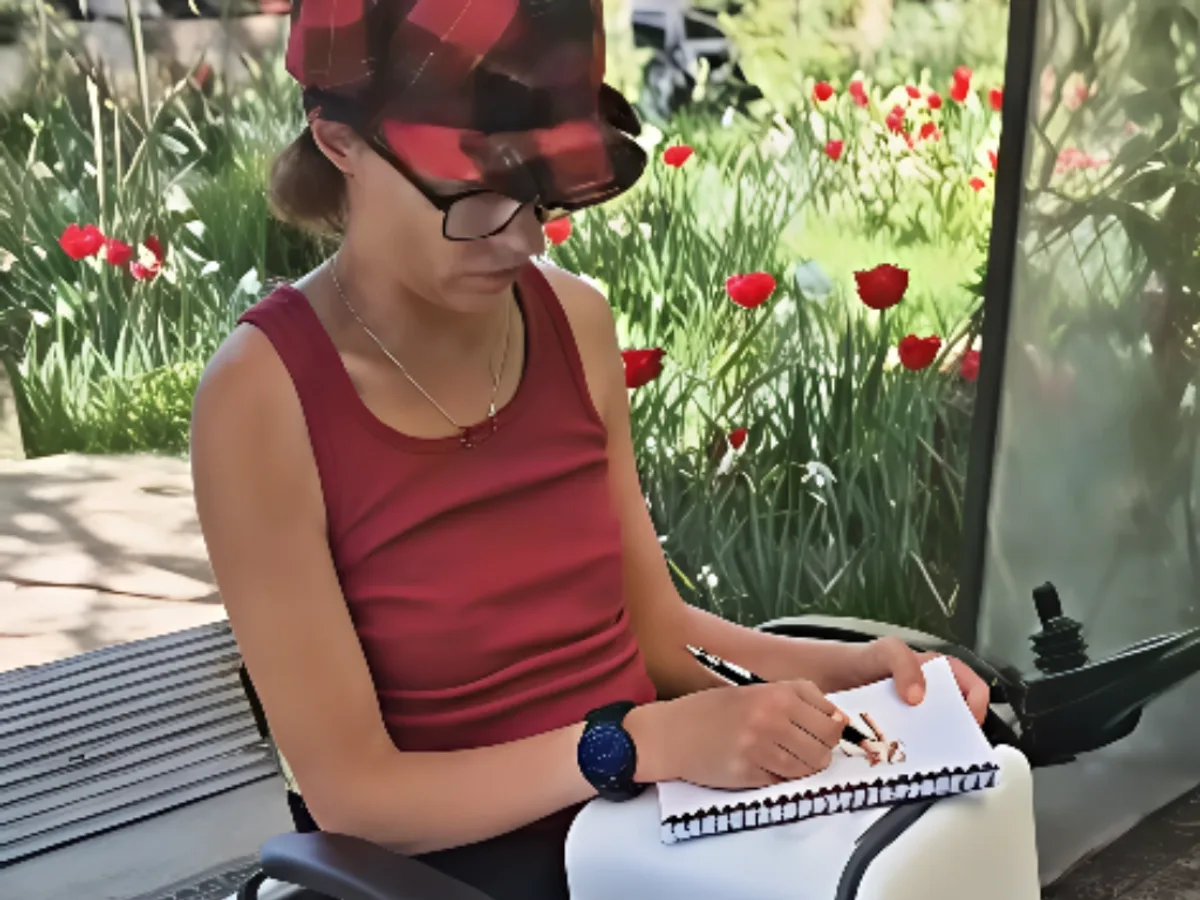
Patient
Yulia Sergeeva, 35 years
Origin
Bishkek, Kyrgyzstan
Diagnosis
Secondary Progressive Multiple Sclerosis (SPMS), diagnosed age 16
Treatment
2024
Author
Dr. Uladzislau Tsvirko
Patient Background
Yulia Sergeeva, a 35-year-old woman from Bishkek, Kyrgyzstan, was diagnosed with multiple sclerosis at the age of 16. From the age of 22, the disease entered a progressive phase, leading to a gradual decline in motor function. By 2020, she had lost the ability to walk and became wheelchair-dependent, with pronounced motor impairment predominantly affecting the right side of her body. At the time of presentation at BioCells Medical, the condition was associated with long-standing disability, reduced muscle strength, impaired fine motor control, and limitations in daily independence.
Treatment Protocol
- •Bone marrow extraction and cultivation of autologous neuroinduced stem cells (preparation period: 2–4 weeks)
- •Systemic intravenous infusion of stem cells and concentrated exosomes
- •Combined intrathecal and intranasal administration of cells and exosomes over two consecutive days
- •Personalised rehabilitation programme developed and supervised by specialist rehabilitation professionals
Reported Functional Changes
- •Improved overall well-being and physical resilience
- •Increased muscle strength in both upper and lower limbs
- •Improved neurological stability with reduced episodes of overheating
- •Enhanced fine motor control
- •By day 28: ability to use the right hand independently to cut food
- •Active self-propulsion of the wheelchair without assistance
- •Independent transfers in and out of the wheelchair — a function not achieved for several years prior to treatment
Video Observation
Follow-up and Ongoing Monitoring
Yulia continues her therapeutic pathway with regular physical training and rehabilitation exercises. Ongoing follow-up indicates sustained functional stability, with her family reporting meaningful improvements in independence, confidence, and overall quality of life. Clinical monitoring remains focused on maintaining achieved gains and supporting further functional adaptation.
Clinical Context
This clinical case illustrates how a stage-adjusted, personalised regenerative medicine approach, combined with structured rehabilitation, may support functional capacity in patients with long-standing progressive multiple sclerosis. At BioCells Medical, treatment strategies are developed individually and adapted over time, with continuous medical oversight and integration of regenerative and rehabilitative modalities.
Note: All observations reported in this case are based on post-treatment follow-up communication with the patient's family and clinical team. Individual results vary. This case does not constitute a clinical trial and should not be interpreted as a guarantee of outcome.