
Personalised Neurostimulation: Driving Neuroplasticity Alongside Cellular Therapy
Dr. Uladzislau Tsvirko
30 January 2025
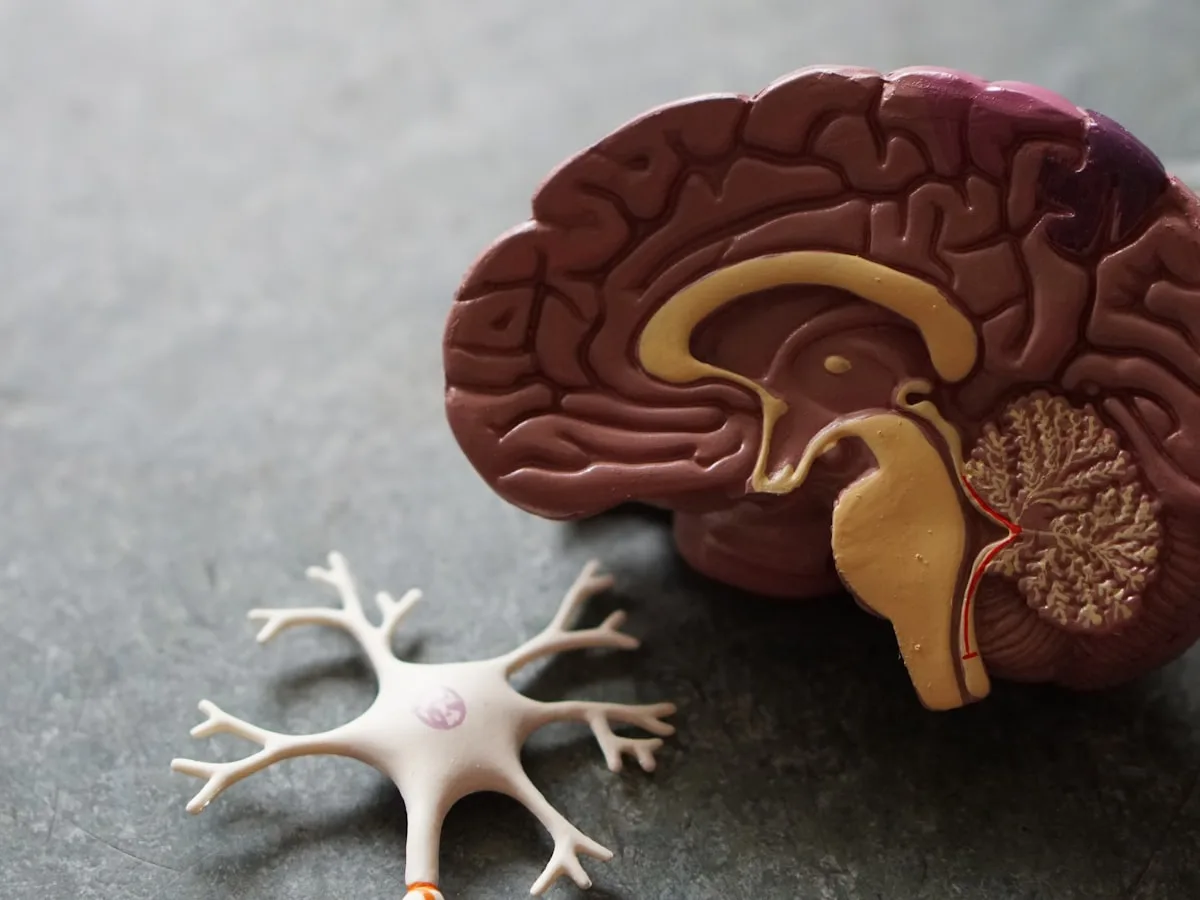
Cellular therapy provides the biological substrate for neural repair. Neurostimulation activates the circuits that must integrate that repair into functional improvement. The combination is synergistic.
The Functional Gap
A recurring observation in regenerative neurology: biological markers improve — reduced inflammation, stabilised biomarker panels, improved MRI findings — but the patient’s functional status does not always improve proportionally. The explanation lies in the distinction between tissue repair and circuit-level function. Cellular therapy can repair or protect neural infrastructure, but the brain and spinal cord must reintegrate that repaired tissue into functional neural circuits. This reintegration depends on neuroplasticity — the nervous system’s capacity to reorganise and strengthen connections. Neurostimulation is the clinical tool that drives this process.
Mechanisms of Electrical Neuromodulation
Non-invasive electrical stimulation modulates neuronal excitability and synaptic plasticity through several established mechanisms: induction of long-term potentiation (LTP) in targeted circuits, normalisation of cortical excitability imbalances, enhancement of neurotransmitter release (dopamine, GABA, or glutamate depending on stimulation parameters), and promotion of BDNF expression — a neurotrophic factor directly linked to synaptic strengthening and neural circuit consolidation.
Personalised Protocol Design
Unlike generic transcranial stimulation devices, neurostimulation protocols at BioCells Medical are mapped to each patient’s specific neurological deficits. Motor circuits for Parkinson’s disease, cerebellar circuits for ataxia, cortical networks for cognitive conditions. Stimulation parameters — frequency, intensity, waveform, duration, and electrode placement — are configured by the treating neurologist and adjusted in real time based on patient response. This is functional targeting, not anatomical approximation.
Synergy with Cellular Therapy
When combined with cellular therapy, neurostimulation creates a window of enhanced neuroplasticity that amplifies the regenerative effects of MSCs and exosomes. Cells repair the biological infrastructure; electrical stimulation drives the functional reconnection of circuits that use that infrastructure. Without neurostimulation, cellular therapy benefits may not translate fully into measurable functional gains. Without cellular therapy, neurostimulation targets circuits with diminished biological capacity to respond. The combination addresses both levels simultaneously.
Clinical Application
In ALS, neurostimulation targets partially functioning motor pathways to maintain signal transmission between the brain and muscles — preserving motor function, respiratory coordination, and swallowing safety. In Parkinson’s disease, it modulates dopaminergic circuits to reduce rigidity and improve gait. In cerebral palsy, it supports neurodevelopmental circuit formation. In each case, the stimulation protocol is calibrated to the patient’s current functional status and disease stage, not to a generic diagnostic category.