Industry News
Scientific perspectives on the therapeutic components used at BioCells Medical — cellular therapy, immunomodulation, exosome biology, neurostimulation, and molecular medicine.
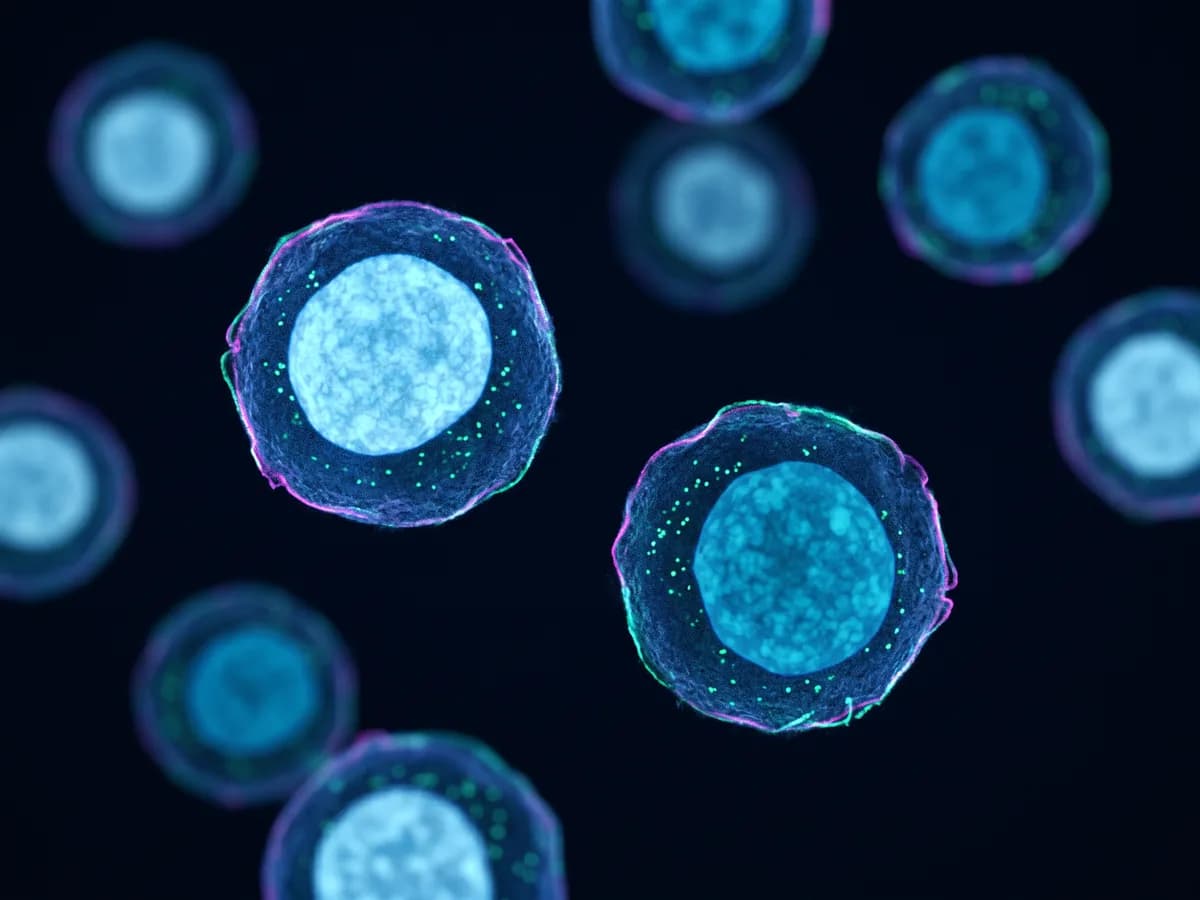
Chimeric antigen receptor regulatory T-cells aim to deliver immune tolerance to a single, defined molecular target. A review of the biology, the active first-in-human programmes in transplantation and rheumatic disease, and where engineered regulatory T-cell research actually stands for neurological conditions in 2026.
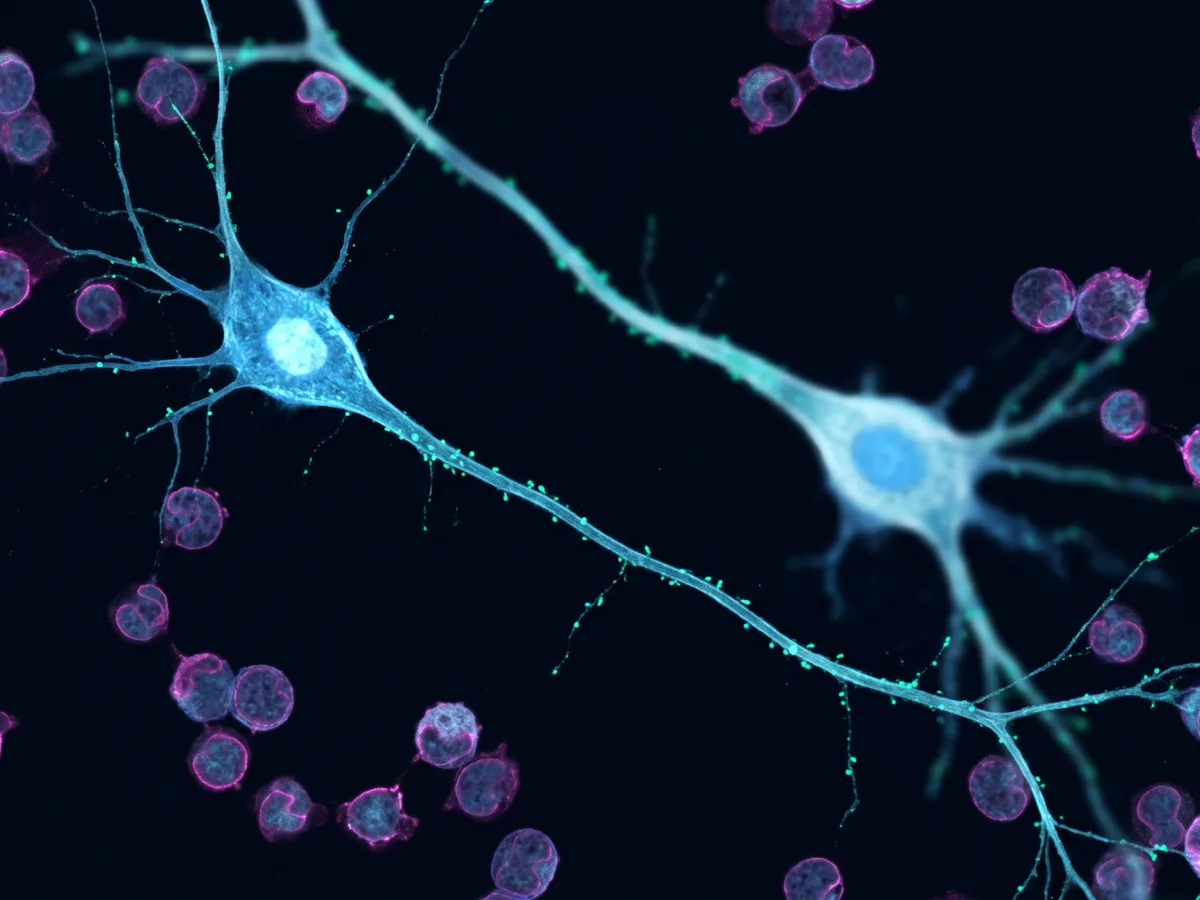
Amyotrophic lateral sclerosis is not a disease of motor neurons alone — neuroinflammation actively drives their loss, and regulatory T-cells are central to it. A review of the mechanism, the link between T-reg function and disease tempo, and the clinical programmes now testing whether restoring T-reg can change the course of ALS.
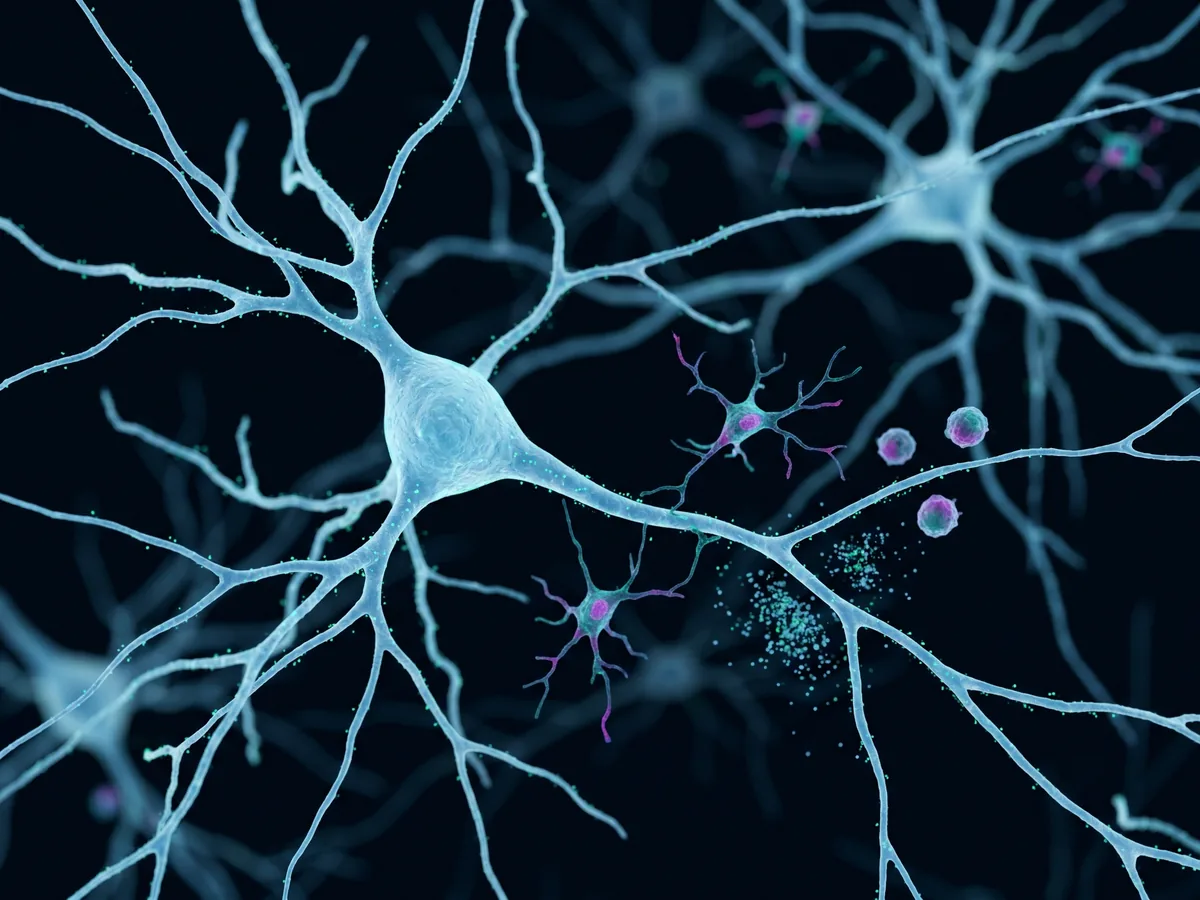
The loss of dopamine neurons in Parkinson's disease is shaped by a chronic inflammatory response that regulatory T-cells normally restrain. A review of the weakened Th17/T-reg balance, the early clinical signals from boosting regulatory T-cells, and the rationale for immune rebalancing rather than broad suppression.
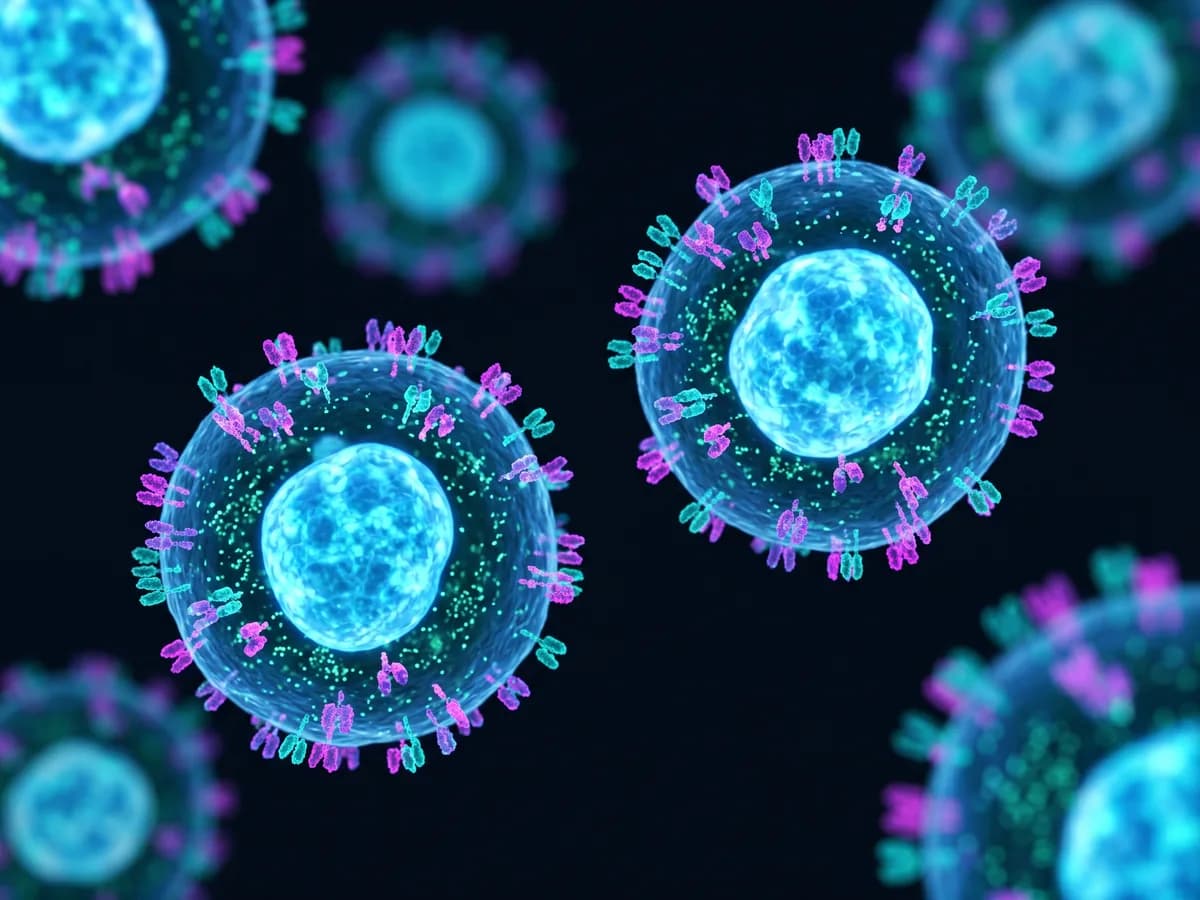
Engineered regulatory T-cells aim to deliver tolerance to a defined target rather than suppress immunity broadly. A review of the two engineering strategies, the preclinical foundation, where the first-in-human programmes stand, and how this frontier relates to the polyclonal T-reg therapy used in practice today.
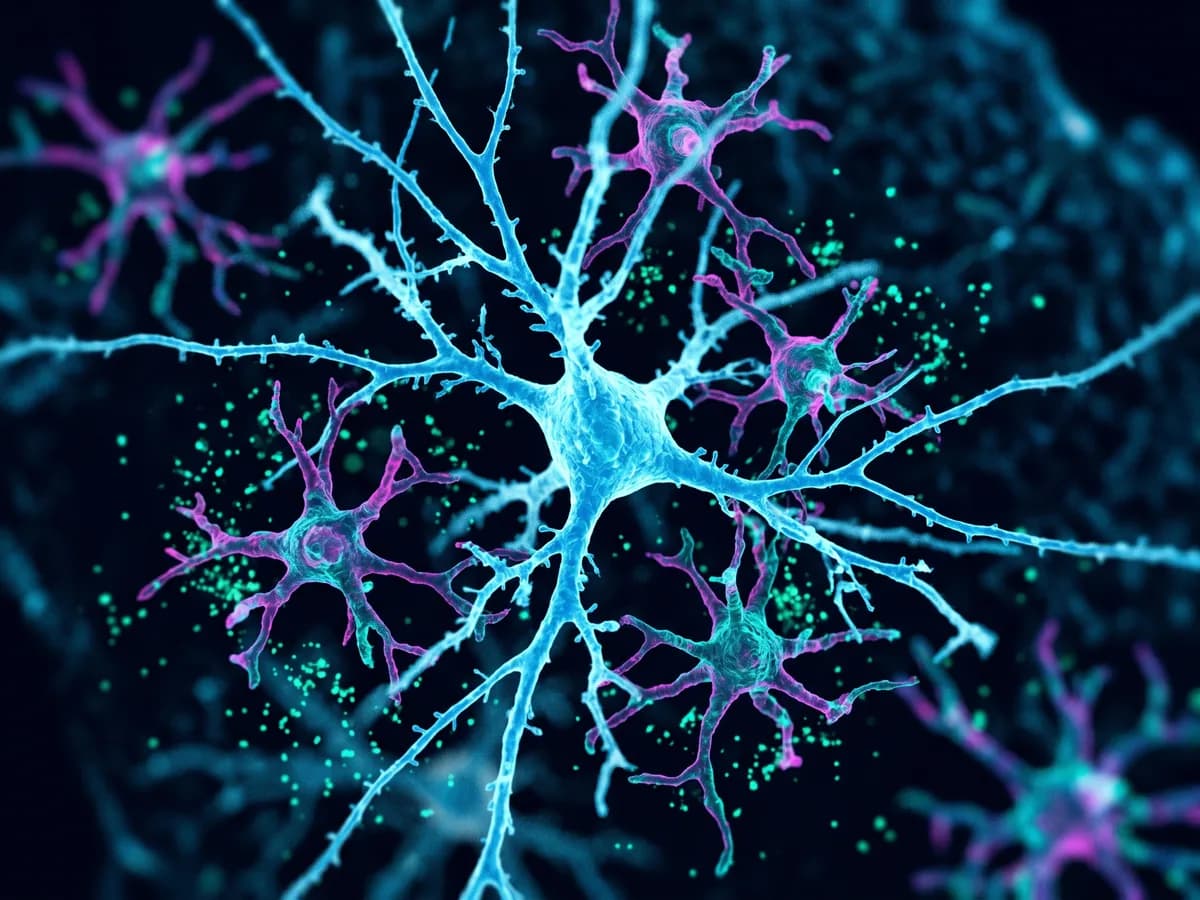
Across ALS, Parkinson's, multiple sclerosis and Alzheimer's, a sustained inflammatory response surrounds and accelerates the loss of neurons. A review of microglia, peripheral immune involvement, the shared mechanism across diseases, and why regulatory T-cells have become a focus for calming it.
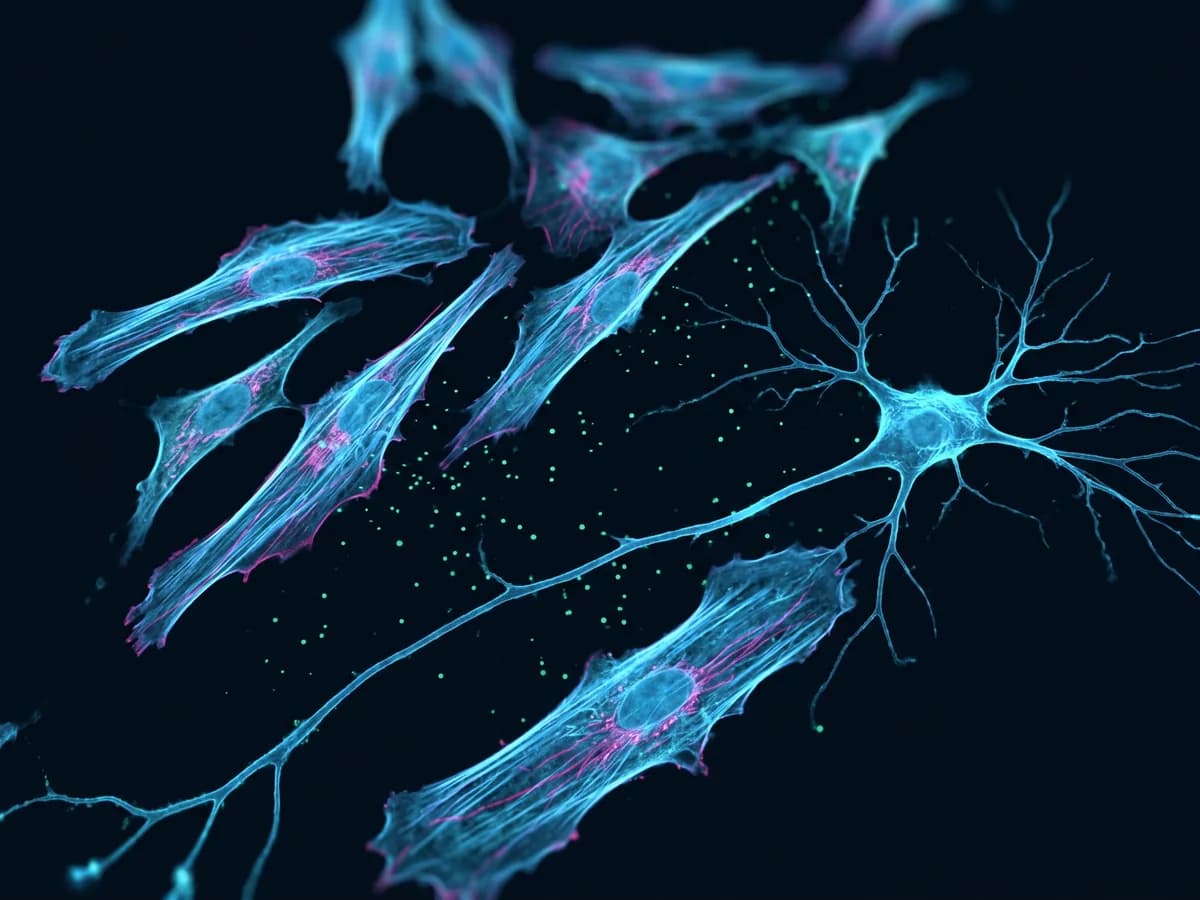
Mesenchymal stem cells have been studied in ALS for over a decade. A review of the paracrine mechanism, the clinical trial record, what the evidence shows, and why MSCs remain the foundational modality on which combination cell therapy is built.

In autoimmune neurological conditions, the immune system itself drives tissue destruction. T-regs address this through targeted suppression of pathological immune responses — without the broad immunosuppression that increases infection risk.
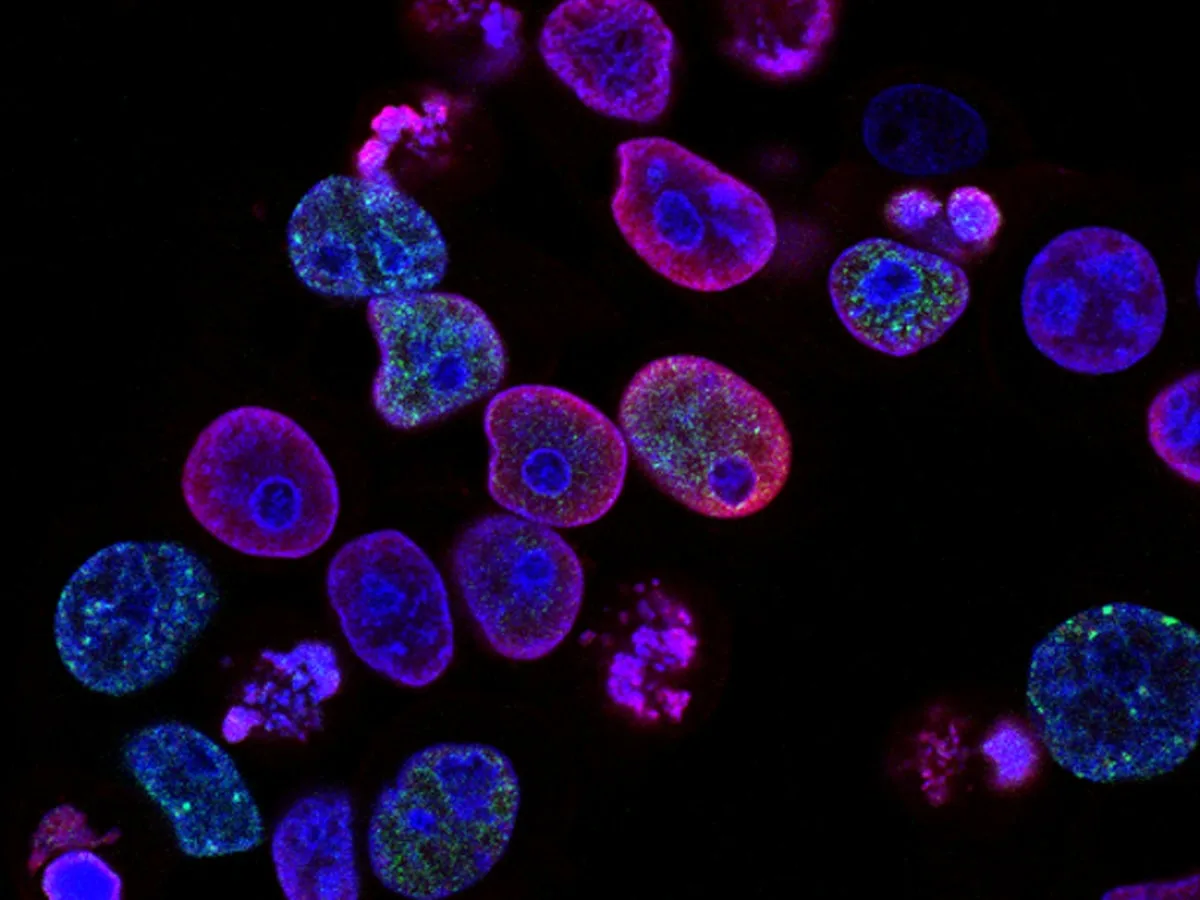
MSCs exert their therapeutic effect not by replacing damaged tissue, but through paracrine signalling — secreting anti-inflammatory cytokines, trophic factors, and extracellular vesicles that modulate the disease microenvironment.

MSC-derived exosomes carry the therapeutic cargo of their parent cells — microRNA, proteins, and signalling molecules — but at nanoscale dimensions that allow them to cross the blood-brain barrier.
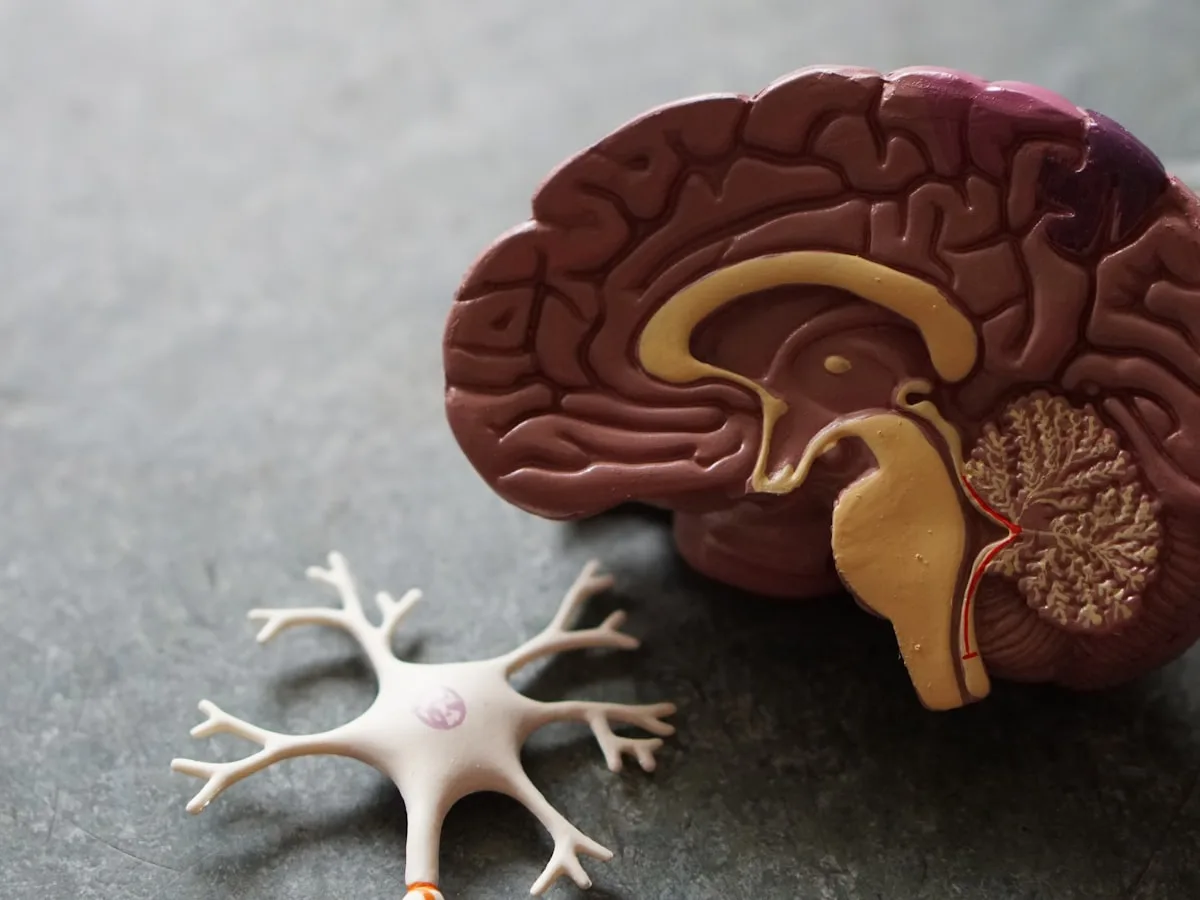
Cellular therapy provides the biological substrate for neural repair. Neurostimulation activates the circuits that must integrate that repair into functional improvement. The combination is synergistic.

Motor neurons under degenerative stress require enormous energy to function while their mitochondria are compromised. Peptide therapy targets this metabolic crisis directly — restoring cellular energy production where it matters most.
