
Rehabilitation in Parkinson's Disease: A Review of the Current Evidence
Dr. Uladzislau Tsvirko
23 aprile 2026
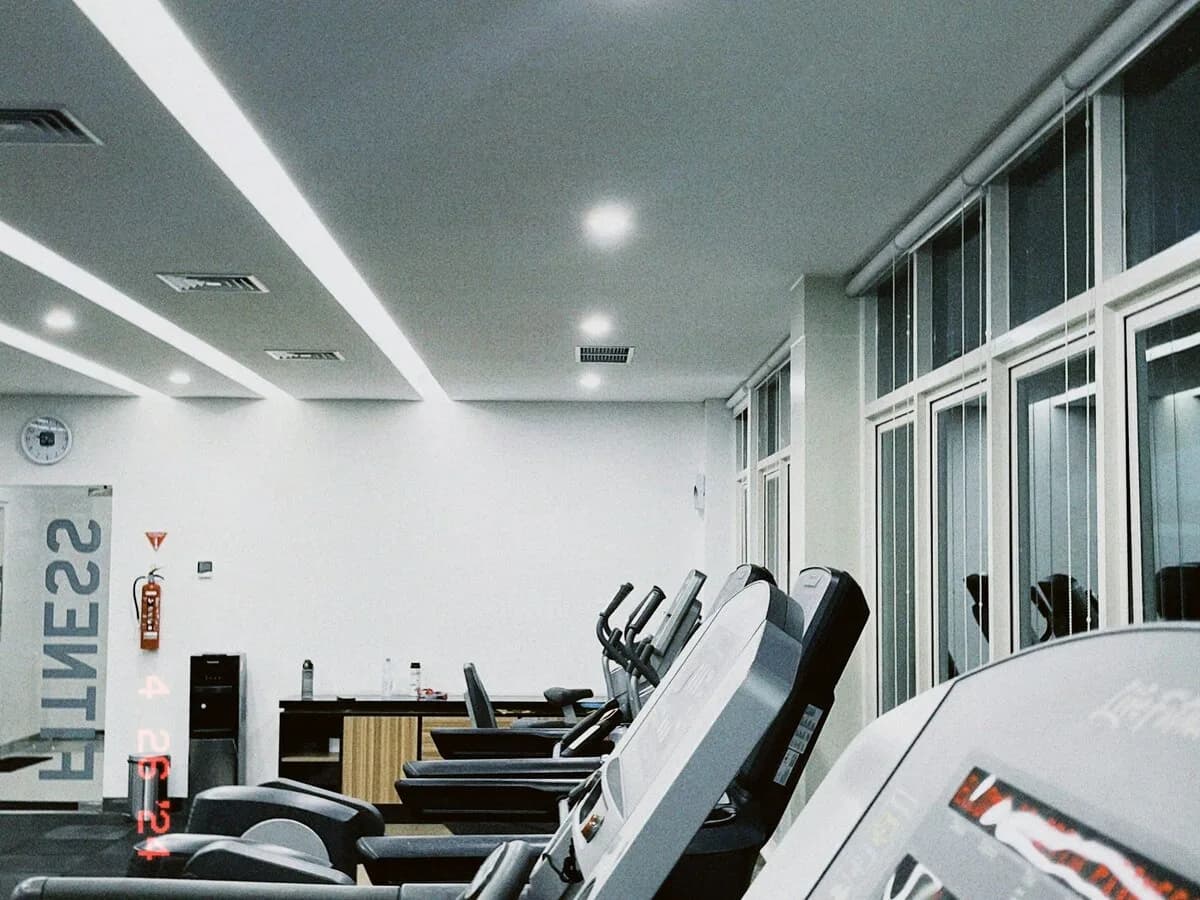
Systematic reviews and meta-analyses of randomised trials confirm that rehabilitation in Parkinson's disease improves motor symptoms, gait, balance and quality of life. The strongest evidence supports aerobic training, strength training and mind–body approaches.
Why Rehabilitation in Parkinson's Disease
Parkinson's disease is a chronic neurodegenerative disorder characterised by progressive motor impairment: bradykinesia, rigidity, tremor and disturbances of gait and balance. Alongside pharmacotherapy, rehabilitation plays an important role in Parkinson's disease management — sustaining motor function, independence and quality of life. Recent years have produced a substantial body of evidence, including systematic reviews and meta-analyses of RCTs with total samples approaching 8,000 patients.
Overall Efficacy: Meta-Analytic Evidence
Systematic reviews show that rehabilitation has a clear short-term positive effect in Parkinson's disease. Compared with no intervention, structured physiotherapy produces significant improvements in motor symptoms, gait parameters, balance, functional capacity and quality of life. Clinically meaningful gains have been demonstrated, in particular, on the UPDRS scale, the Berg Balance Scale and walking speed.
Conventional Physiotherapy and Strength Training
Conventional physiotherapy improves motor symptoms, gait and quality of life. Strength and aerobic training enhance motor function and walking parameters; aerobic exercise is especially effective over extended programmes. Strategy-based movement training and treadmill training add further functional benefit within individualised programmes.
Dance, Martial Arts and Mind–Body Approaches
Dance, martial arts (notably tai chi) and Nordic walking improve motor symptoms, balance and gait by combining physical activity with coordination and cognitive load. Mind–body exercises (tai chi, yoga) show clinically meaningful improvements in motor symptoms, balance and functional mobility — and are regarded as some of the most promising approaches.
Hydrotherapy, Exergaming and Dual-Task Training
Hydrotherapy improves balance measures, particularly in patients at higher fall risk. Exergaming (interactive exercise-based games) benefits balance and quality of life. Dual-task training, by contrast, has not produced a statistically significant advantage over focused movement programmes in most analyses.
Long-Term Rehabilitation
Selected meta-analyses indicate that long-duration rehabilitation (6 months or more) improves motor symptoms in the "off" state and may contribute to reducing antiparkinsonian medication doses. However, the quality of evidence for long-term effects is rated low to very low, reflecting limited study numbers and methodological heterogeneity.
Clinical Takeaways
Current evidence strongly supports rehabilitation as an effective and essential component of comprehensive Parkinson's care. It improves motor symptoms, gait, balance and quality of life — particularly in the short term. The greatest benefit comes from regular exercise: aerobic training, strength training and mind–body approaches. No single modality is clearly superior; the choice of programme should be individualised to disease stage, functional status and patient preference.