For Patients · Rehabilitation
Every patient leaves our programme with a personalised rehabilitation plan designed by our in-house rehabilitation specialist and supported by remote monitoring. This page explains how we track recovery after treatment — and summarises the clinical evidence guiding our condition-specific rehab protocols.
Post-Treatment Monitoring
Every patient receives a medical-grade wearable after completing their treatment programme. The device continuously records activity, sleep quality, heart rate and recovery metrics — giving our clinical team a real picture of how the body is adapting to the therapy.
Our rehabilitation specialist reviews this data remotely and adjusts your rehabilitation plan in response to real progress, not guesswork. That means a programme that evolves with you — and clinicians who remain involved long after your final infusion.
Technology partner
Garmin
Objective recovery data
Daily activity, sleep architecture, heart rate and recovery indicators tracked continuously — no questionnaires, no guesswork.
Remote clinical oversight
Your rehabilitation specialist and attending physician review the data and spot trends before you notice them yourself.
Adaptive rehabilitation
The exercise, load and recovery plan are re-tuned as your metrics evolve — within days, not months.
Included in the programme
The device and the monitoring service are part of every patient's care package at BioCells Medical.
Evidence Library
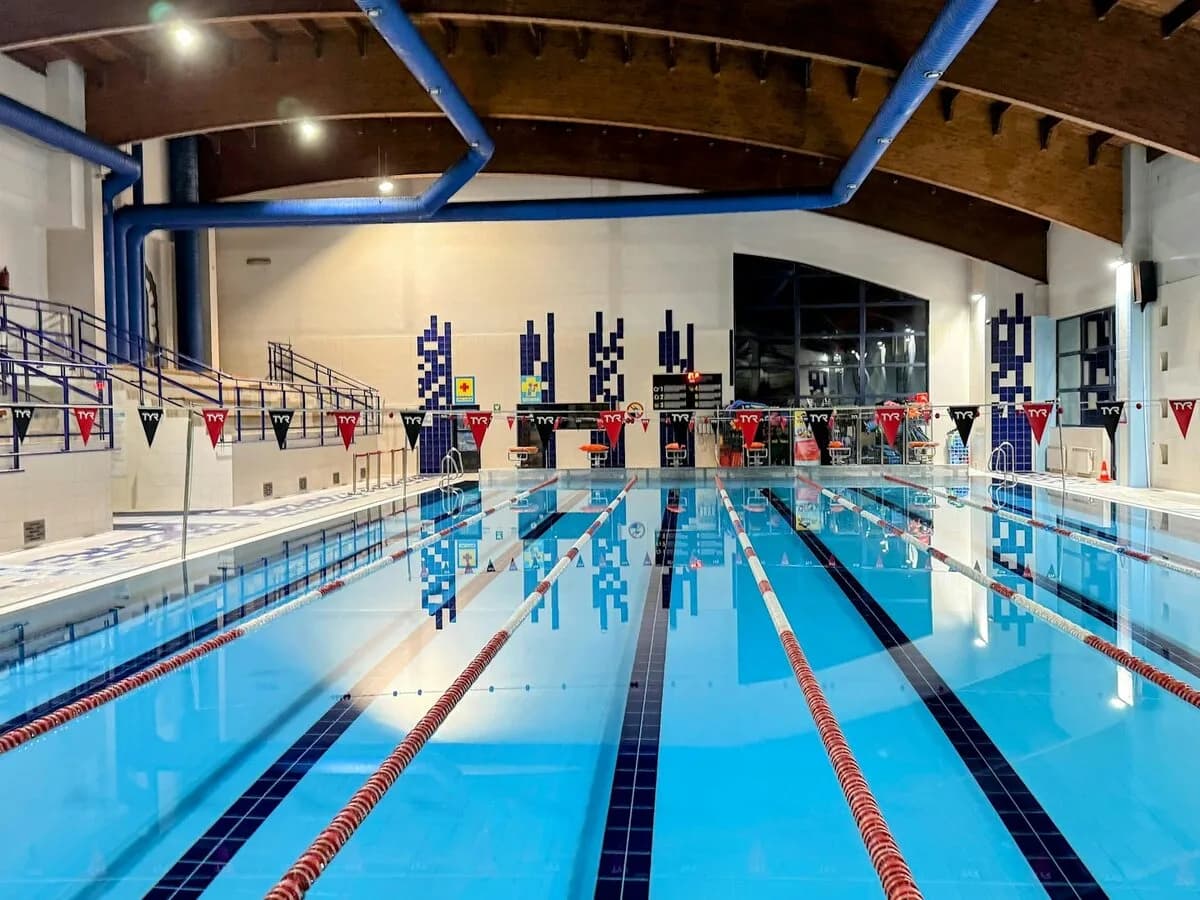
Strong evidence supports rehabilitation in multiple sclerosis — improvements in muscle strength, exercise tolerance, mobility and mood. The approach is safe and suitable for both relapsing-remitting and progressive forms of the disease.

Systematic reviews and meta-analyses of randomised trials confirm that rehabilitation in Parkinson's disease improves motor symptoms, gait, balance and quality of life. The strongest evidence supports aerobic training, strength training and mind–body approaches.
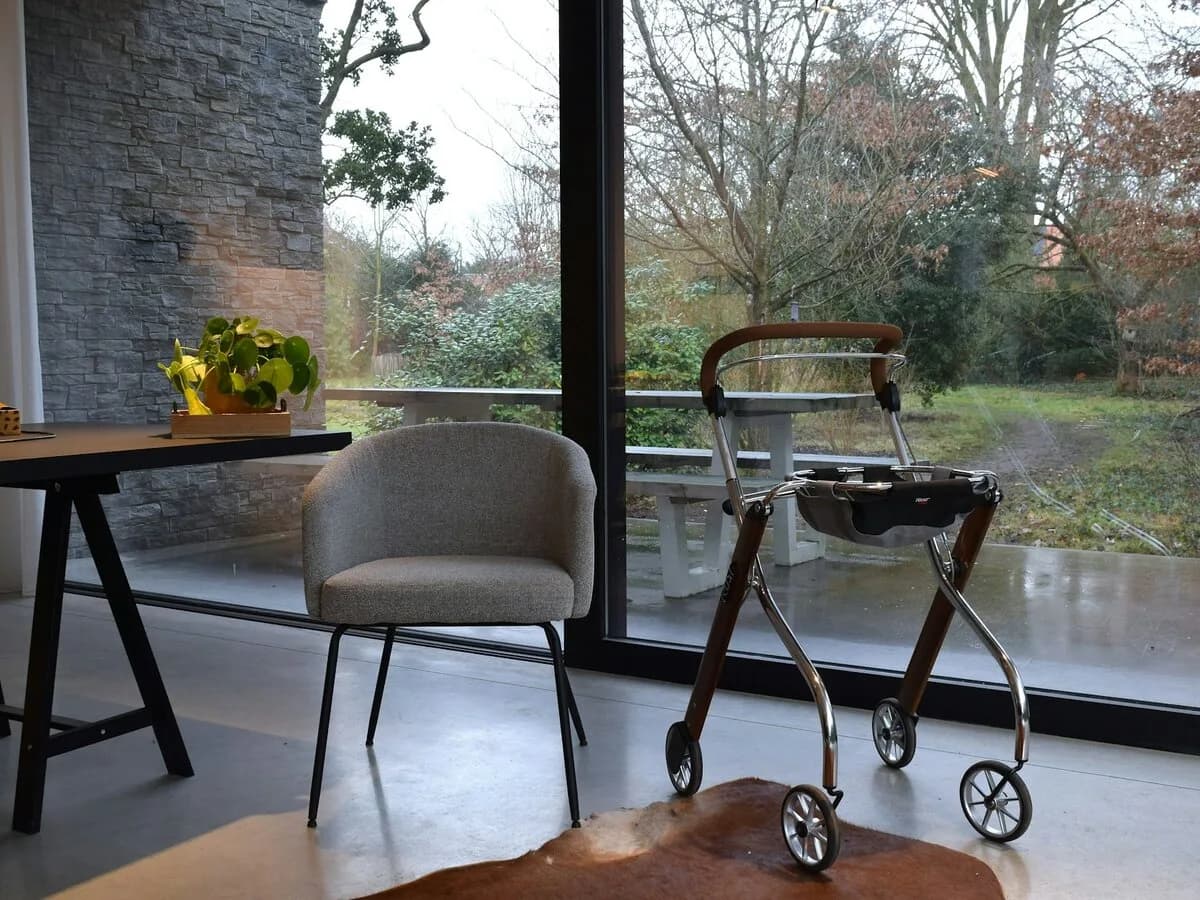
Contemporary systematic reviews show that rehabilitation in dementia improves motor function, reduces fall risk and supports functional independence in activities of daily living. Cognitive benefits are possible but depend on age and programme parameters.

Meta-analyses of randomised trials show that regular rehabilitation in Duchenne muscular dystrophy preserves range of motion, reduces contracture risk by 29% and improves quality of life. The critical factors are early initiation and family involvement.

Up to 83% of children with ASD have difficulties with age-expected motor skills. Contemporary meta-analyses show that structured rehabilitation improves gross motor function, balance, coordination and participation in daily activities.
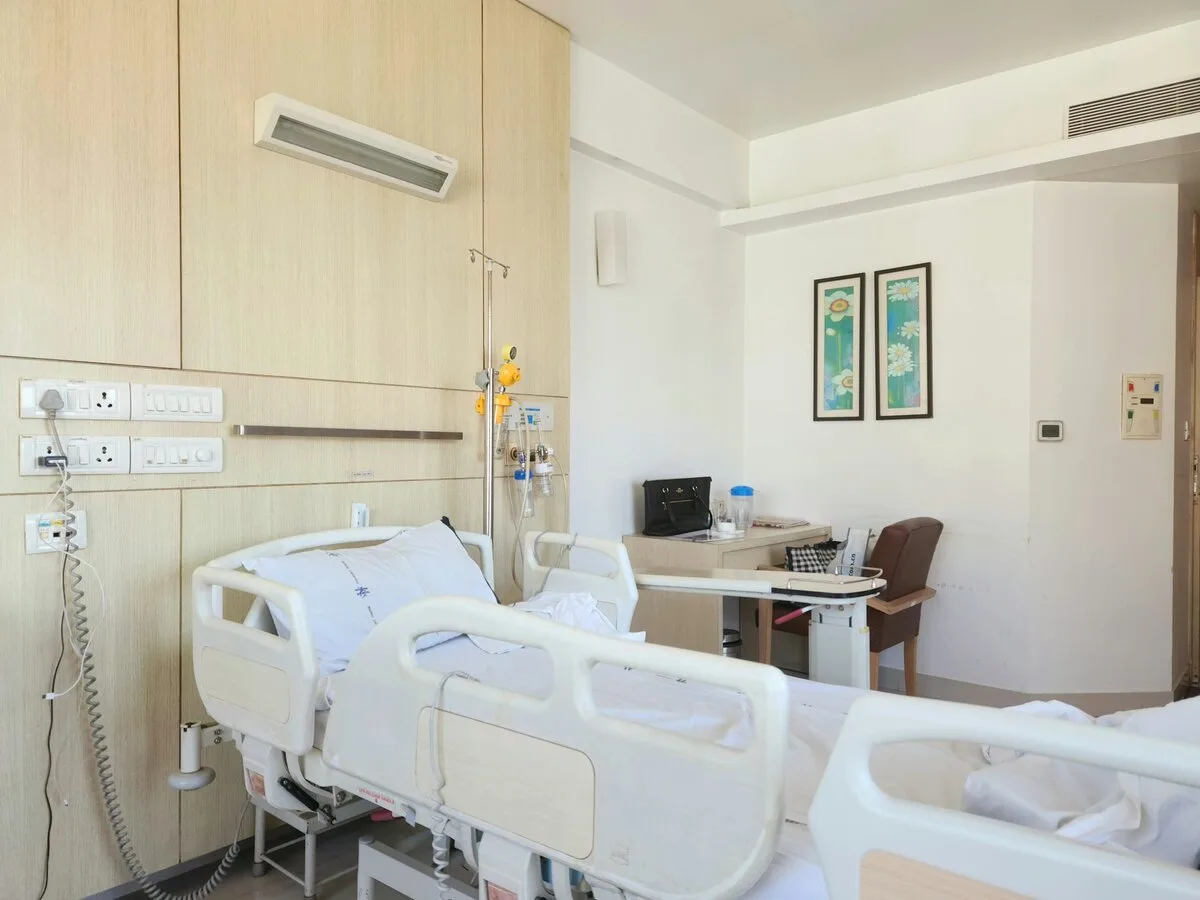
Meta-analyses of randomised trials show that rehabilitation in ALS is safe, supports respiratory function and functional status, and reduces the risk of respiratory infections — one of the most serious complications of the disease.
