
Rehabilitation in Amyotrophic Lateral Sclerosis: The Evidence Base
Dr. Roman Zinevich
23 April 2026
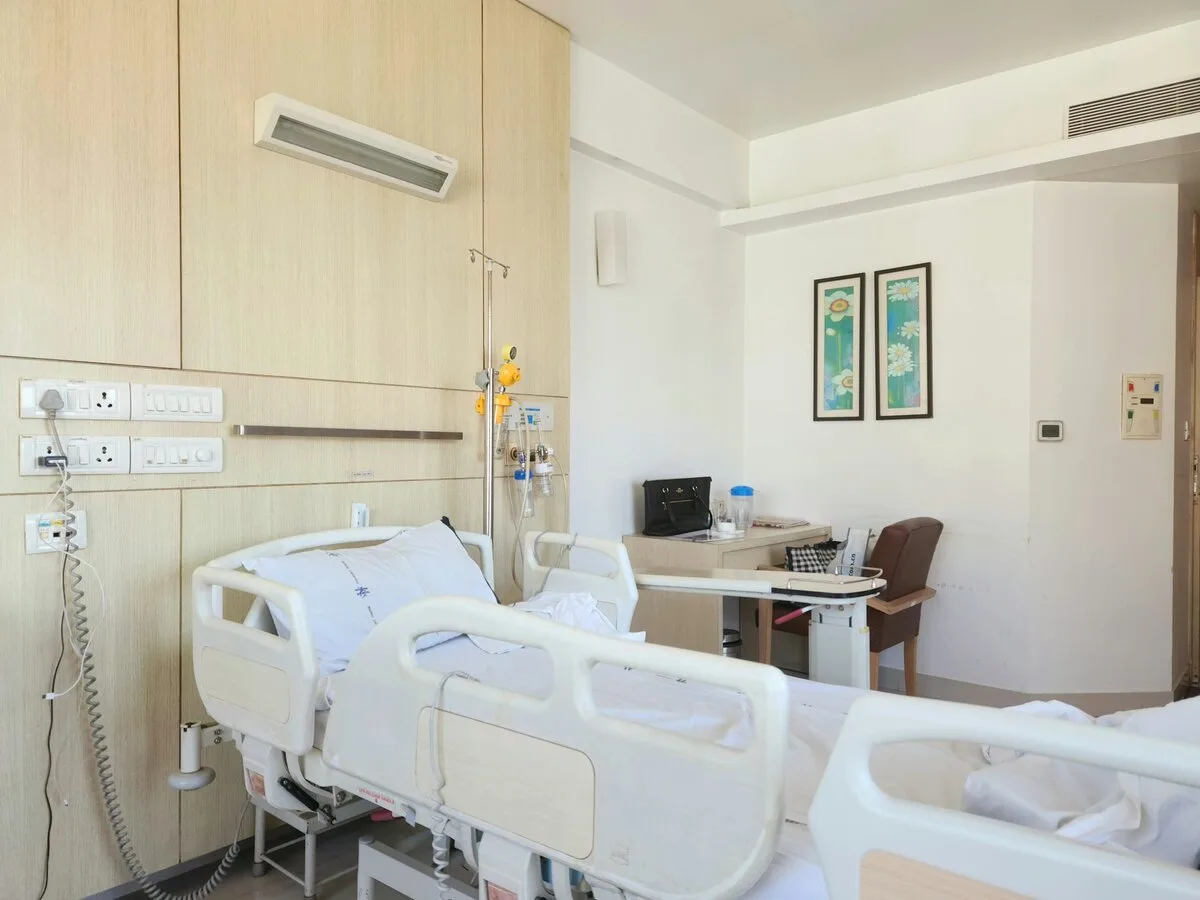
Meta-analyses of randomised trials show that rehabilitation in ALS is safe, supports respiratory function and functional status, and reduces the risk of respiratory infections — one of the most serious complications of the disease.
Why Rehabilitation in ALS
Amyotrophic lateral sclerosis (ALS) is a progressive neurodegenerative disease affecting motor neurons and leading to mounting muscle weakness, loss of functional independence and respiratory failure. With no disease-modifying cure available, non-pharmacological supportive interventions are receiving growing clinical attention. Contemporary systematic reviews and meta-analyses confirm that rehabilitation in ALS is safe and produces clinically meaningful support across functional status, respiratory function and quality of life.
Respiratory Muscle Training
Inspiratory and expiratory muscle training is among the most studied rehabilitation interventions in ALS. A meta-analysis of randomised controlled trials demonstrates that targeted training increases respiratory muscle strength — including maximal inspiratory and expiratory pressures — and improves ventilatory efficiency by expanding the muscle reserve. The intervention is well tolerated, and some trials have explored it as a possible prognostic factor for survival. No significant changes were observed in forced vital capacity (FVC) or subjective quality-of-life measures, reflecting the inherent difficulty of altering global outcomes in a progressive disease.
Prevention of Respiratory Infections
Respiratory infections remain a leading cause of complications and hospitalisations in ALS. As the disease advances, weakening of the respiratory and bulbar musculature reduces cough effectiveness, promotes bronchial secretion retention, impairs lower-lobe ventilation and increases aspiration risk. Rehabilitation interventions — respiratory muscle training, assisted cough techniques, airway clearance methods and positioning — improve mucus clearance and ventilation, lowering the likelihood of atelectasis and infective complications. Direct randomised trials with infection as a primary endpoint remain limited, yet the physiological rationale and international guidelines on neuromuscular disease management consistently emphasise the importance of regular respiratory rehabilitation in reducing pneumonia risk.
Functional Status and Quality of Life
Systematic reviews of randomised trials indicate that rehabilitation produces short-term improvements in global function in ALS patients. The effect is most pronounced when programmes are individualised and consistently adhered to. The impact on quality of life and fatigue remains variable, but rehabilitation does not increase the rate of adverse events. These findings support the inclusion of rehabilitation in comprehensive patient management from early stages of the disease.
Multimodal Programmes
The most promising functional outcomes come from multimodal programmes combining therapeutic exercise, respiratory physiotherapy, training in compensatory strategies and adaptation of physical activity to disease stage. Such programmes show moderate positive shifts on the ALSFRS-R scale and contribute to longer preservation of functional independence, particularly in earlier stages of ALS.
Clinical Takeaways
The cumulative evidence positions rehabilitation in ALS as a safe and essential component of comprehensive care. It exerts positive effects on respiratory muscle strength and functional status. Respiratory rehabilitation plays a particularly important role in preventing respiratory infections through improved ventilation and airway clearance. Even where evidence on long-term outcomes is limited, rehabilitation remains a cornerstone of quality-of-life support.