IMMUNE-MEDIATED NEUROPATHY · ANTI-MAG NEUROPATHY · MULTIFOCAL MOTOR NEUROPATHY
A physician-led treatment programme targeting antibody-mediated nerve damage, complement-driven demyelination and vasa nervorum inflammation — designed to reduce immune attack on peripheral nerves, support remyelination and restore functional independence.
Request Medical ConsultationAbout the Condition
Autoimmune polyneuropathy is a group of immune-mediated conditions in which the body's own immune system attacks peripheral nerves — the network responsible for transmitting motor commands, sensory information and autonomic signals between the central nervous system and the rest of the body.
The immune attack may target the myelin sheath (demyelinating forms), the axon itself (axonal forms), or the vasa nervorum — the small blood vessels that supply nerve tissue. Depending on the subtype, patients experience progressive weakness, sensory loss, impaired coordination and, in some cases, autonomic dysfunction.
Standard management relies on immunoglobulins (IVIG/SCIg), plasma exchange and corticosteroids. While these treatments suppress the immune response, they do not repair existing nerve damage and many patients require lifelong infusions with incomplete symptom control. Our programme targets the underlying biological mechanisms driving nerve destruction and supports the conditions necessary for nerve regeneration.
Anti-MAG Neuropathy (IgM Paraprotein)
A demyelinating neuropathy caused by IgM antibodies directed against myelin-associated glycoprotein (MAG) on Schwann cells. Typically presents as slowly progressive sensory ataxia, tremor and distal weakness. Often associated with an IgM monoclonal gammopathy. Response to conventional immunotherapy is frequently poor, making it one of the more treatment-resistant autoimmune neuropathies.
Multifocal Motor Neuropathy (MMN)
A pure motor neuropathy characterised by asymmetric weakness without sensory loss, often beginning in the hands. Associated with anti-GM1 ganglioside antibodies in approximately 50% of patients. Conduction block on nerve conduction studies is a hallmark finding. IVIG is the standard treatment, but many patients experience waning efficacy over time.
Vasculitic Neuropathy
Peripheral nerve damage caused by inflammation of the vasa nervorum — the small blood vessels supplying nerve tissue. May occur as part of systemic vasculitis (polyarteritis nodosa, ANCA-associated vasculitis) or in isolation. Presents as painful, asymmetric, stepwise nerve deficits. Nerve ischaemia from vessel occlusion causes irreversible axonal damage if not addressed early.
Non-systemic Vasculitic Neuropathy (NSVN)
Vasculitis confined exclusively to the peripheral nervous system without systemic organ involvement. Diagnosis requires nerve biopsy showing necrotising vasculitis. Patients experience painful mononeuropathy multiplex — progressive, asymmetric weakness and sensory loss affecting individual nerves. Often underdiagnosed due to the absence of systemic inflammatory markers.
Our program is individually adapted for all subtypes and all stages of progression.
Important: Each patient is accepted into the programme only after a comprehensive individual medical assessment evaluating antibody profile, nerve conduction data, disease duration and current immunotherapy status.
The BioCells Program
Autoimmune polyneuropathy involves five interrelated pathological processes: antibody-mediated nerve damage, complement activation on myelin, vasa nervorum inflammation, Schwann cell injury and secondary axonal degeneration. Our protocol addresses all five with a personalised combination of biological therapies constructed after detailed evaluation of each patient's immunological and neurological profile.
Targets the immune mechanism, not just symptoms
Standard immunoglobulin therapy suppresses the immune response temporarily. Our protocol addresses the underlying immune dysregulation and supports actual nerve repair — reducing reliance on repeated infusion cycles.
Supports nerve repair after immune control
Suppressing the immune attack is necessary but insufficient — damaged myelin and axons require active biological support to regenerate. Our protocol provides the regenerative conditions that immunotherapy alone does not.
Minimally invasive administration
Treatment is delivered by intravenous infusion or targeted local injection. Well-tolerated in patients already on immunosuppressive or immunomodulatory therapy.
Compatible with IVIG and existing immunotherapy
Patients do not need to discontinue immunoglobulin therapy, corticosteroids or other immunosuppressants. Our programme integrates with your current treatment plan.
Potential to reduce IVIG dependency
59% of our patients achieved reduced IVIG frequency or dose during follow-up. For patients experiencing infusion burden, side effects or waning efficacy, this represents a meaningful clinical benefit.
Patients from around the world
We work with patients from around the world. Airport transfers, accommodation, visa support and multilingual coordination are included in every treatment programme.
What It Is
T-regs are specialised immune cells that suppress pathological autoimmune activity. In autoimmune polyneuropathy, they directly counteract the dysregulated immune response that drives ongoing nerve destruction — a mechanism that standard immunoglobulin therapy modulates incompletely in many patients.
How It Is Done
Delivered autologously (from the patient's own blood) or allogeneically (from a certified donor), based on the patient's immune profile, current immunotherapy and disease activity. Preparation and quality testing performed in our laboratory.
Biological Mechanisms
How This Helps in Autoimmune Polyneuropathy
Autoimmune polyneuropathies are characterised by a failure of immune tolerance — the immune system treats peripheral nerve components as foreign targets. T-regs restore this tolerance at a fundamental level, reducing the autoimmune drive that IVIG and plasma exchange can only temporarily suppress. This addresses a root mechanism rather than managing downstream consequences.
Your Medical Board
The exact combination, dosage, sequencing and delivery method of all five components is determined individually by our medical board for each patient. No two treatment protocols are identical. Your programme is constructed based on your specific autoimmune neuropathy subtype, antibody profile, electrophysiological findings and clinical priorities.
Your protocol is designed individually. Speak with our medical team to understand what your personalised program would include.
Request ConsultationPatient Journey
Your case is reviewed remotely by our physician team. We assess diagnosis, antibody status, nerve conduction data, current immunotherapy and functional limitations. This consultation is free and carries no obligation.
A detailed review of all medical documentation including nerve conduction studies, antibody panels and biopsy reports where available. Our medical board evaluates eligibility and designs a personalised protocol for your specific autoimmune neuropathy subtype.
Cells are collected, isolated, expanded and quality-tested in our laboratory. Each batch receives a full traceability certificate. This stage typically takes 2–3 weeks.
Cells are delivered by intravenous infusion and/or targeted local delivery — no surgery, no general anaesthesia.
Structured rehabilitation targeting grip strength, gait stability, proprioceptive retraining and sensory re-education. Adapted to your neuropathy subtype and current functional capacity.
Your dedicated coordinator monitors nerve function, tracks INCAT and NIS scores, provides clinical guidance and adjusts recommendations. Repeat nerve conduction testing where appropriate to document electrophysiological change.
The first step is free. Request a medical consultation and our medical consultant will contact you within 24 hours.
Request ConsultationSafety Profile
The programme is well-tolerated in autoimmune polyneuropathy patients, including those on concurrent immunoglobulin therapy, corticosteroids or other immunosuppressants. Mild transient reactions — brief fatigue or injection-site sensitivity — may occur and typically resolve within 24–48 hours.
Patients on immunosuppressive regimens are monitored with particular attention to infection risk. Treatment timing is coordinated with IVIG or plasma exchange schedules to optimise both safety and therapeutic effect.
A final medical assessment is performed on-site before every treatment session. Current immunotherapy status, infection markers and haematological parameters are reviewed.
All contraindications are evaluated individually. A contraindication in one clinical context does not necessarily preclude treatment in a different context — this is always determined by physician assessment.
Standard Contraindications
Active acute infection or fever
Active malignancy or ongoing chemotherapy / radiotherapy
Severe decompensated cardiac or renal failure
Pregnancy
Post-Treatment
Dedicated rehabilitation specialist
neuromuscular programme targeting grip strength, gait and proprioceptive recovery
Sensory re-education protocol
structured exercises to support tactile and temperature sensation restoration
Medical-grade wearable monitoring
continuous tracking of activity, gait metrics and physiological data
Long-term coordinator support
INCAT/NIS reassessment, clinical guidance and response to any changes in status
Continued clinical access
our medical team remains available for ongoing reassessment, protocol adjustment and coordination with your local neurologist
Peripheral nerve remyelination and axonal repair are gradual biological processes that continue well beyond the treatment period. Consistent neurological monitoring during this phase allows us to track electrophysiological change, adjust rehabilitation and respond to evolving clinical needs.
Patient Stories
“Four years of IVIG every three weeks. The infusions kept me stable but the side effects, migraines, days of fatigue after each one, were wearing me down. After the programme, my neurologist and I extended the interval to every five weeks. My grip strength improved enough that I can open jars again. Sounds small, but it changed my daily life.”
Patient
Anti-MAG Neuropathy · United Kingdom
Every case is assessed individually by our physician team. Request a consultation to discuss your specific situation with our physician team.
Request ConsultationPatient Cases
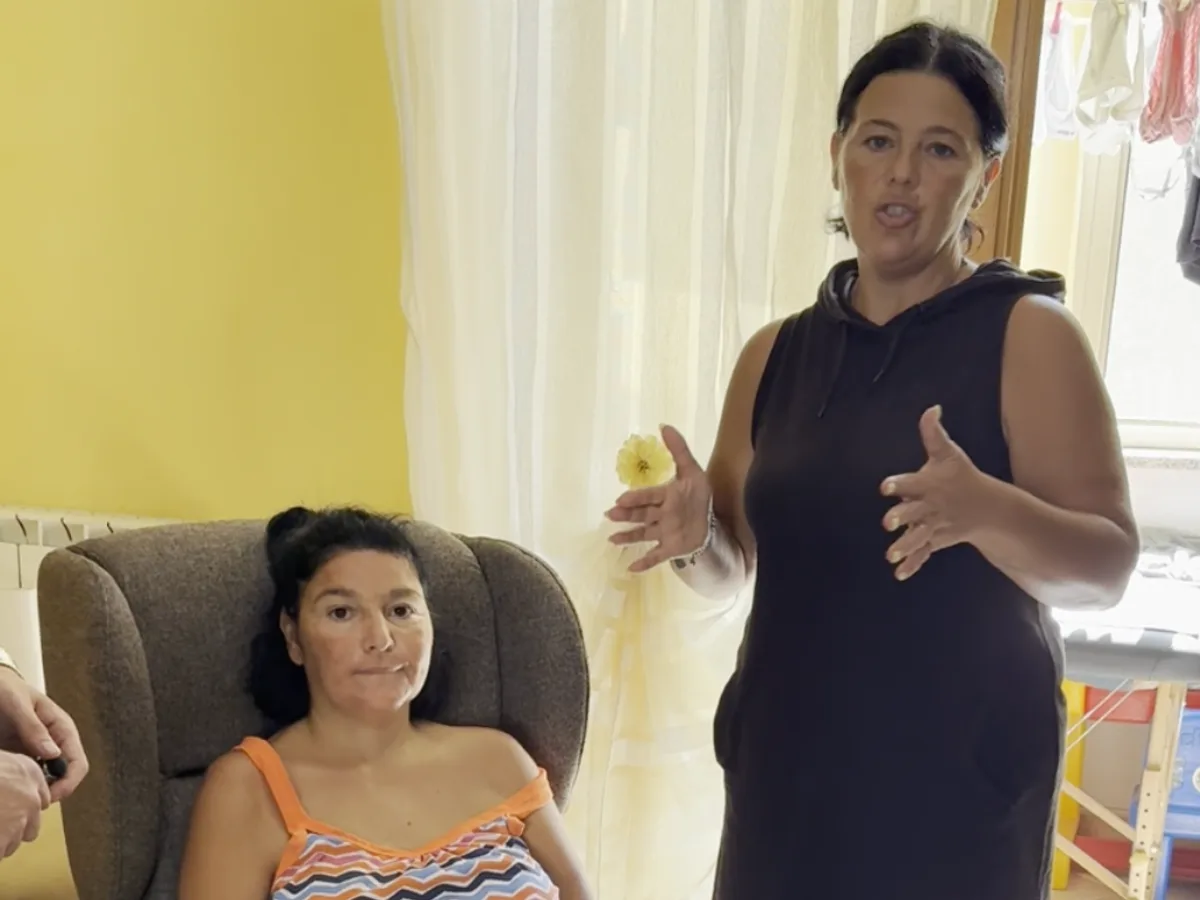
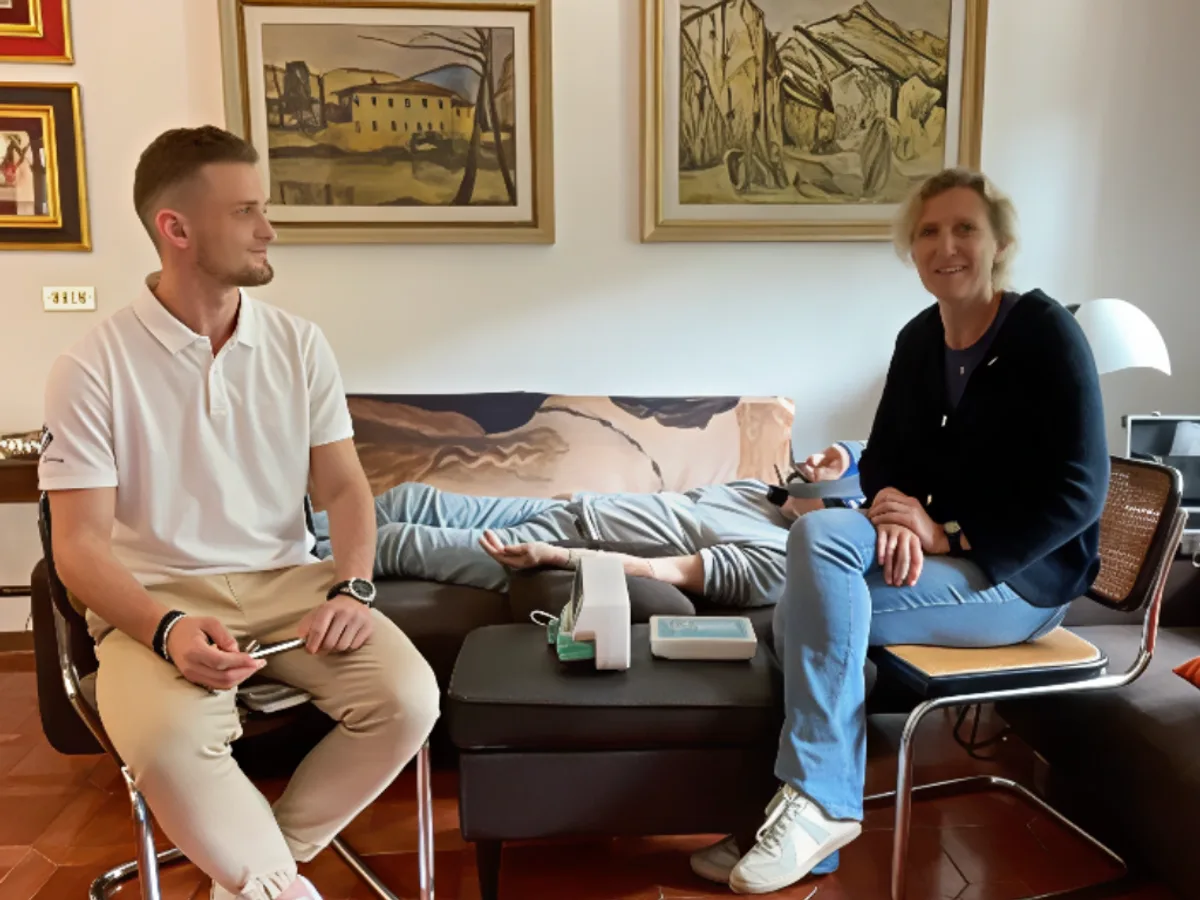
Documented treatment outcomes recorded by the BioCells Medical team after personalised regenerative medicine protocols.
Get Started
If you or someone you care for has been diagnosed with autoimmune polyneuropathy, our medical team is available for a free, no-obligation consultation — based on your diagnosis, antibody profile, current immunotherapy and functional status.
We review every inquiry personally. You will speak with a physician, not an administrator.
Submit your case online or by phone
Our medical consultant contacts you to review your documents
The medical board presents your personalised treatment plan
Request a Consultation
Tell us about your condition. Our medical consultant will contact you within 24 hours to review your documents.
Open Consultation FormMultilingual coordination — English, Italian, French, Russian, Polish
Evidence Base
Our clinical approach is informed by and consistent with published research in the field of regenerative medicine.