GLOBAL DEVELOPMENTAL DELAY · PSYCHOMOTOR RETARDATION · NEURODEVELOPMENTAL DISORDER
A physician-led, laboratory-verified treatment programme designed to support developmental progress, improve functional milestones and strengthen neurological maturation — tailored to the individual biology, developmental profile and clinical needs of each child.
Request Medical ConsultationAbout the Condition
Global Developmental Delay (GDD) is a clinical diagnosis applied when a child under the age of five significantly underperforms in two or more developmental domains: gross/fine motor skills, speech and language, cognition, social-emotional functioning, or activities of daily living. It is defined as performance more than two standard deviations below the mean on age-appropriate standardised assessments.
GDD affects an estimated 1–3% of children under five worldwide. The underlying aetiology is diverse — genetic, metabolic, structural, hypoxic-ischaemic or idiopathic — and in approximately 40–50% of cases, no definitive cause is identified despite thorough investigation.
Standard management typically involves multidisciplinary rehabilitation: physiotherapy, speech therapy, occupational therapy and educational support. These approaches address functional adaptation but do not target the underlying neurobiological substrate. Our programme provides a biological dimension that complements ongoing developmental rehabilitation.
Motor-predominant GDD
Gross and fine motor milestones are significantly delayed relative to age norms. The child may not sit, crawl, stand or walk within expected developmental windows. Muscle tone abnormalities — hypotonia or mild spasticity — are commonly present. Motor-predominant GDD often overlaps with delayed myelination patterns visible on MRI.
Cognitive-predominant GDD
Cognitive and adaptive functioning are the primary areas of deficit. The child shows delayed problem-solving, reduced attention span, poor object permanence and limited symbolic understanding. Language comprehension is often more affected than motor function. Standardised cognitive assessments place performance well below age-matched peers.
Mixed GDD (motor + cognitive + speech)
The most common presentation. Delays span motor, cognitive and speech-language domains simultaneously. Children with mixed GDD typically require the most intensive therapeutic intervention and show the broadest variation in treatment response. Functional gains in one domain often facilitate progress in others.
GDD with Epilepsy
Developmental delay accompanied by seizure disorder — a combination that complicates both prognosis and management. Epileptic activity can independently suppress developmental progress, creating a cycle where seizures worsen delay and developmental immaturity lowers seizure threshold. Seizure control is a prerequisite for optimal treatment response.
Our program is individually adapted for all subtypes and all stages of progression.
Important: Each child is accepted into the programme only after a comprehensive individual medical assessment, which evaluates developmental profile, neuroimaging findings, seizure history, metabolic status and overall clinical picture.
The BioCells Program
Our GDD programme combines five biological components into a single personalised protocol. No two protocols are identical — each is constructed following a detailed medical evaluation of the child's neurological profile, developmental stage and clinical priorities.
Minimally invasive administration
Treatment is delivered by intravenous infusion — not surgical instruments. The procedure is painless, brief and well-tolerated by paediatric patients.
No general anaesthesia
Avoiding anaesthesia is particularly important in young children, where repeated general anaesthesia exposure carries its own neurodevelopmental risks.
Enhanced neuroplasticity window
The developing paediatric brain has significantly greater neuroplasticity than the adult brain. Cellular therapy administered during this biological window has the potential to produce more robust and sustained developmental gains.
Targets the underlying biology, not just functional adaptation
Rehabilitation trains compensatory strategies. Our programme targets the biological substrate — neuronal connectivity, myelination, neuroinflammation — that limits the brain's developmental capacity.
Complements existing rehabilitation
Our programme works alongside physiotherapy, speech therapy and occupational therapy. Children do not need to discontinue any existing intervention. Biological improvement at the cellular level can make rehabilitation sessions more productive.
Patients from around the world
We work with patients from around the world. Airport transfers, accommodation, visa support and multilingual coordination are included in every treatment programme.
What It Is
T-regs are specialised immune cells that regulate and suppress excessive inflammatory activity within the central nervous system. In the developing brain, uncontrolled neuroinflammation can directly impair myelination, synaptogenesis and cortical organisation.
How It Is Done
Delivered allogeneically (from a certified donor) or autologously (from the patient's own blood), based on the child's immune status and clinical assessment. Preparation and quality testing performed in our laboratory.
Biological Mechanisms
How This Helps in Global Developmental Delay
Neuroinflammation is increasingly recognised as a factor that actively suppresses developmental progress in children with GDD. Activated microglia and elevated pro-inflammatory cytokines interfere with myelination and synaptic pruning — both critical for normal development. T-regs directly counteract this inflammatory environment, allowing the brain's developmental processes to proceed with less biological interference.
Your Medical Board
The exact combination, dosage, sequencing and delivery method of all five components is determined individually by our medical board for each child. No two treatment protocols are identical. Your child's programme is constructed based on their specific diagnosis, developmental profile, neuroimaging findings, biological markers and clinical priorities.
Your protocol is designed individually. Speak with our medical team to understand what your personalised program would include.
Request ConsultationPatient Journey
Your child's case is reviewed remotely by our physician team. We assess the diagnosis, developmental assessments, neuroimaging, medical history and family goals. This consultation is free and carries no obligation.
A detailed review of all medical documentation including developmental assessments (Bayley, Denver, Vineland), MRI, EEG and metabolic workup. Our medical board evaluates eligibility, confirms safety parameters and designs the personalised therapeutic protocol.
Cells are sourced, isolated, expanded and quality-tested in our laboratory. Each batch receives a full traceability certificate. Paediatric protocols require age-adjusted preparation. This stage typically takes 2–3 weeks.
Cells are delivered by intravenous infusion — no surgery, no general anaesthesia. The procedure is well-tolerated by children. Airport transfers, accommodation and visa support are included in the programme for international patients.
Structured paediatric rehabilitation sessions with our specialist, adapted to the child's current developmental level and functional capacity. Available at our clinic or remotely coordinated with your child's local therapy team.
Your dedicated coordinator monitors developmental progress, provides clinical guidance and adjusts recommendations based on your child's ongoing assessment data. Standardised developmental re-evaluation is scheduled at defined intervals.
The first step is free. Request a medical consultation and our medical consultant will contact you within 24 hours.
Request ConsultationSafety Profile
Cellular therapy is considered safe when delivered under proper medical supervision and according to validated protocols. In our practice, the procedure is well-tolerated by paediatric patients.
Temporary mild reactions — such as transient low-grade temperature, brief irritability or mild fatigue — may occur in a minority of patients. These are typically short-lived and indicate active biological engagement. Paediatric patients are monitored continuously during and after administration.
A final medical assessment is performed on-site before every treatment session. If the child's status has changed — including intercurrent illness or seizure activity — the programme may be temporarily modified or postponed for safety reasons.
All contraindications are evaluated individually. A contraindication in one clinical context does not necessarily preclude treatment in a different context — this is always determined by physician assessment.
Standard Contraindications
Active acute infection or fever
Active malignancy or ongoing chemotherapy / radiotherapy
Uncontrolled seizure activity (seizures must be medically stabilised before treatment)
Severe decompensated organ failure
Post-Treatment
Dedicated paediatric rehabilitation specialist
monitors developmental milestones, motor function and adaptive behaviour
Personalised rehabilitation programme
adapted to the child's current developmental level and treatment response
Standardised developmental re-assessment
Bayley, Denver or Vineland scales at scheduled intervals to quantify progress
Long-term coordinator support
proactive check-ins with the family, clinical guidance and response to any changes in the child's status
Continued clinical access
our medical team remains available for ongoing reassessment and protocol adjustment
Biological maturation in the developing brain follows its own trajectory. Early post-treatment gains often expand over subsequent months as newly supported neural circuits are reinforced through daily activity and rehabilitation. Structured developmental monitoring allows the medical team to track progress accurately and adjust recommendations as the child's profile evolves.
Patient Stories
“Our son was two and a half and couldn't sit on his own. Three months after treatment, he was sitting unsupported and reaching for toys, things his physiotherapist had been working toward for over a year. He also started babbling more, making sounds we hadn't heard before. His therapists noticed the change before we even mentioned the treatment.”
Patient's mother
Mixed GDD · Saudi Arabia
Every case is assessed individually by our physician team. Request a consultation to discuss your specific situation with our physician team.
Request ConsultationPatient Cases
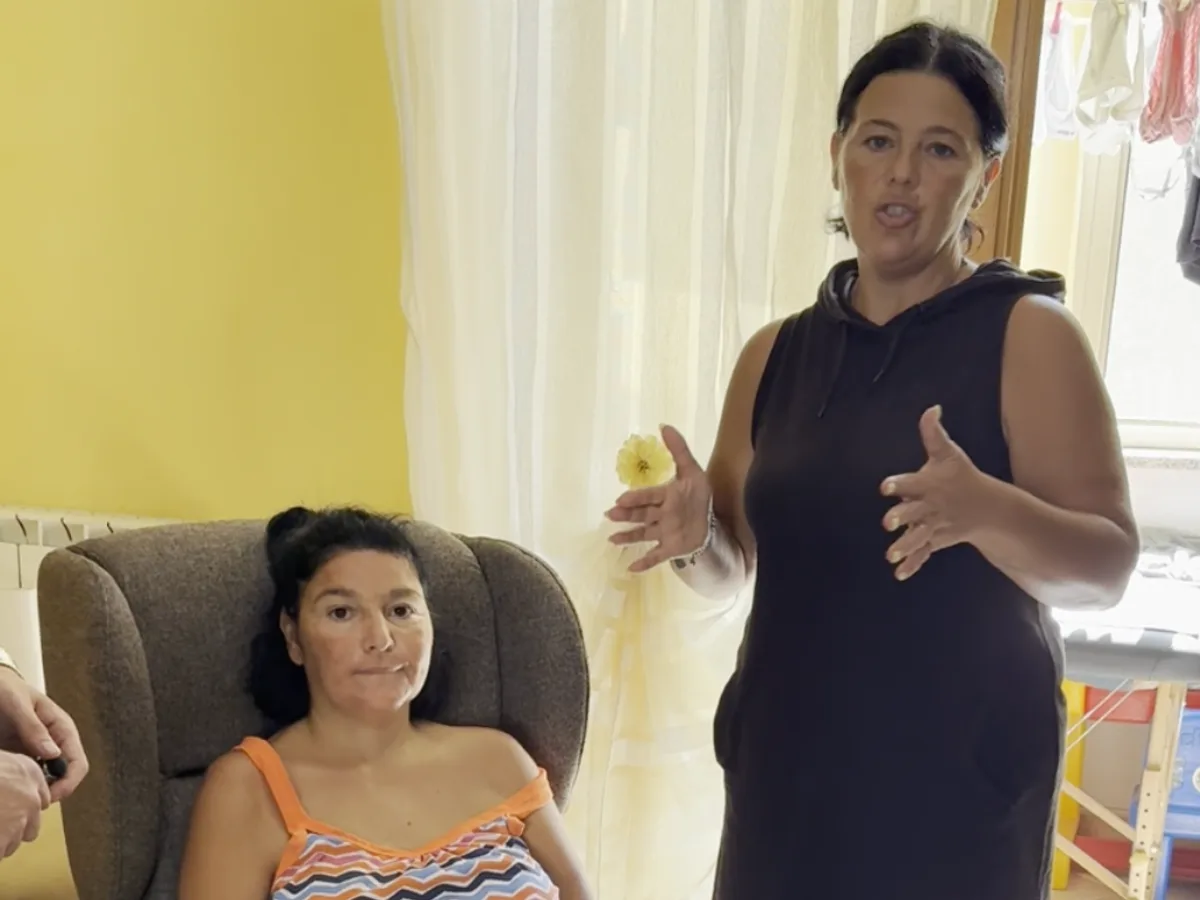
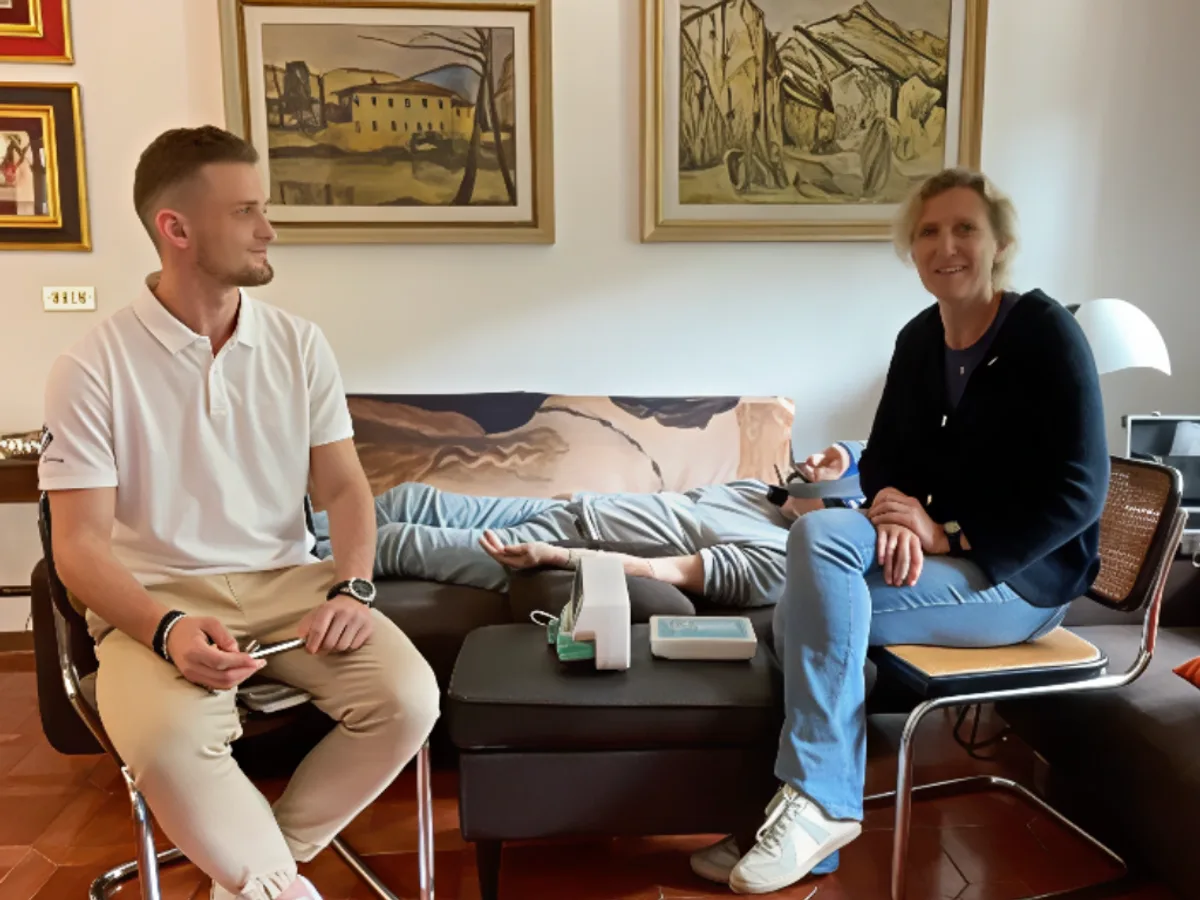
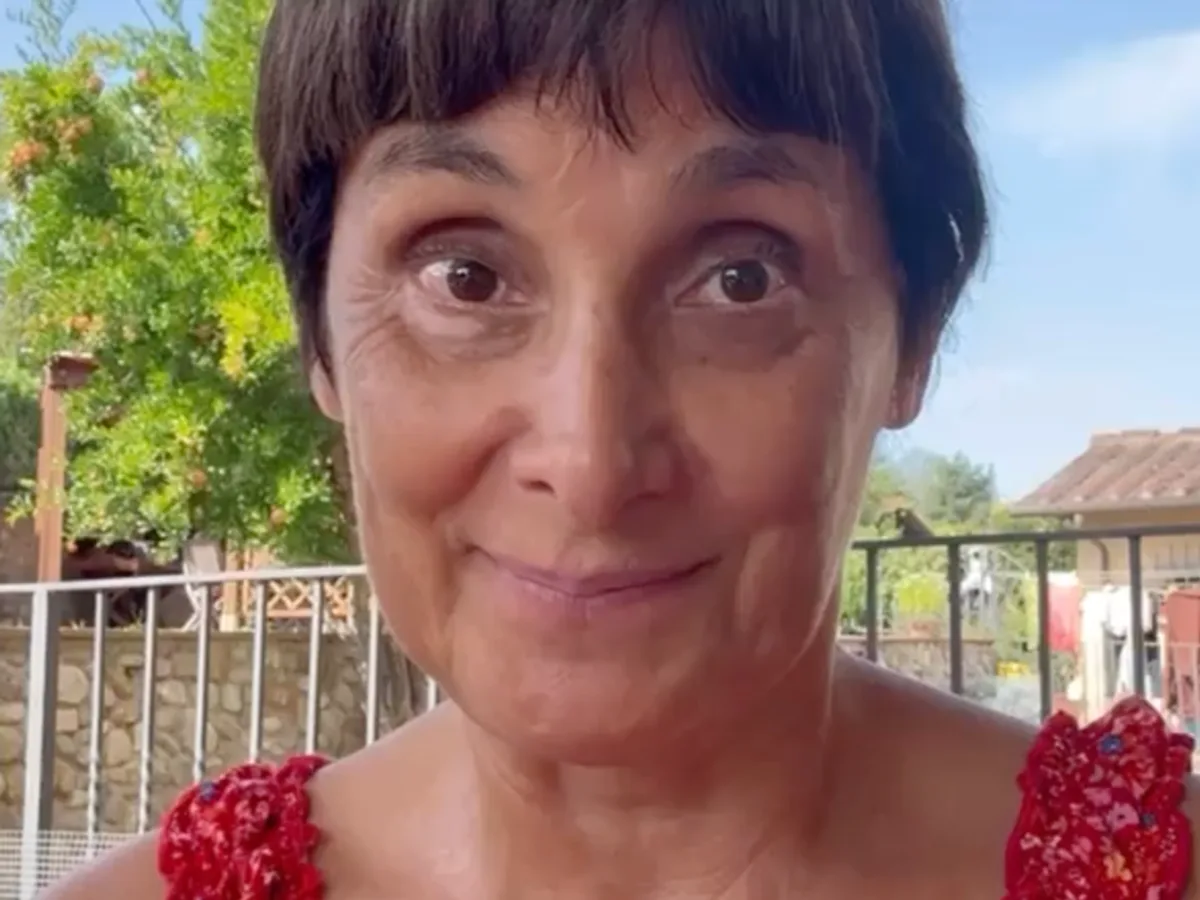
Documented treatment outcomes recorded by the BioCells Medical team after personalised regenerative medicine protocols.
Get Started
If your child has been diagnosed with Global Developmental Delay, our medical team is available for a free, no-obligation medical consultation — based on your child's diagnosis, developmental profile and individual clinical situation.
We review every inquiry personally. You will speak with a physician, not an administrator.
Submit your case online or by phone
Our medical consultant contacts you to review your documents
The medical board presents your personalised treatment plan
Request a Consultation
Tell us about your condition. Our medical consultant will contact you within 24 hours to review your documents.
Open Consultation FormMultilingual coordination — English, Italian, French, Russian, Polish
Evidence Base
Our clinical approach is informed by and consistent with published research in the field of regenerative medicine.