DRUG-RESISTANT EPILEPSY · REFRACTORY SEIZURE DISORDERS
A physician-led, laboratory-verified treatment programme for patients with drug-resistant epilepsy — designed to reduce seizure frequency, lower seizure severity and improve neurological stability when conventional anti-epileptic medications have failed.
Request Medical ConsultationAbout the Condition
Refractory epilepsy — also termed drug-resistant or pharmacoresistant epilepsy — is defined as epilepsy in which seizures persist despite adequate trials of at least two appropriately chosen and tolerated anti-epileptic drugs (AEDs), whether used as monotherapy or in combination.
Approximately 30% of all epilepsy patients develop drug resistance. In these cases, seizures continue to disrupt daily life, impair cognitive function, increase injury risk, and significantly reduce quality of life — despite maximal pharmacological management.
The underlying mechanisms of drug resistance are multifactorial: altered drug-target sensitivity, overexpression of efflux transporters at the blood-brain barrier, hippocampal sclerosis, chronic neuroinflammation, and structural cortical abnormalities. Our cellular therapy programme targets several of these biological mechanisms directly.
Focal (Partial) Refractory Epilepsy
Seizures originate from a defined cortical region and persist despite adequate AED therapy. May involve temporal, frontal or other lobar foci. Often associated with hippocampal sclerosis or focal cortical dysplasia. The most common form of drug-resistant epilepsy in adults.
Generalised Refractory Epilepsy
Seizures involve both hemispheres from onset and remain uncontrolled on multiple medications. Includes drug-resistant absence, tonic-clonic and myoclonic seizure types. Frequently presents in childhood or adolescence with persistent seizure burden into adulthood.
Lennox-Gastaut Syndrome
A severe epileptic encephalopathy characterised by multiple seizure types, slow spike-and-wave EEG patterns, and cognitive impairment. Onset typically between ages 1–8. Notoriously resistant to pharmacological treatment, with seizures persisting into adulthood in the majority of patients.
Post-Traumatic Epilepsy (Drug-Resistant)
Recurrent seizures developing after traumatic brain injury that fail to respond to standard AED regimens. Driven by post-injury gliosis, neuroinflammation and cortical reorganisation. Latency between injury and seizure onset ranges from weeks to years.
Our program is individually adapted for all subtypes and all stages of progression.
Important: This programme is specifically designed for refractory epilepsy — patients who have failed adequate trials of at least two anti-epileptic drugs. We do not treat newly diagnosed or well-controlled epilepsy with cellular therapy.
The BioCells Program
Our refractory epilepsy programme combines five biological components into a single personalised protocol. Each protocol is constructed following detailed evaluation of seizure semiology, EEG patterns, imaging data, pharmacological history and the patient's neurobiological profile.
Minimally invasive administration
Treatment is delivered by intravenous infusion or targeted local injection — not surgical instruments. Particularly relevant for patients who are not candidates for resective epilepsy surgery.
No general anaesthesia
Important for epilepsy patients in whom anaesthesia carries additional seizure-related risks and medication interactions.
No risk of immune rejection
MSCs are immunoprivileged: they express low levels of HLA-I, lack HLA-II and carry a minimal risk of rejection whether the protocol is autologous or allogeneic. Allogeneic MSC protocols do not require immunosuppression.
Targets the biological drivers of drug resistance
Rather than adding another pharmacological agent, our protocol targets neuroinflammation, blood-brain barrier dysfunction and excitotoxicity — the biological mechanisms that sustain seizure activity despite medication.
Complements existing anti-epileptic medication
Our programme is designed to work alongside current AED regimens. Patients do not discontinue existing medication. In many cases, cellular therapy improves the patient's responsiveness to previously ineffective drugs.
Patients from around the world
We work with patients from around the world. Airport transfers, accommodation, visa support and multilingual coordination are included in every treatment programme.
What It Is
T-regs are specialised immune cells that suppress excessive and destructive immune responses in the central nervous system. In epilepsy, aberrant immune activation contributes to blood-brain barrier dysfunction and sustained cortical hyperexcitability.
How It Is Done
Delivered autologously (from the patient's own blood) or allogeneically (from a certified donor), based on the patient's immune profile and clinical assessment. Preparation and quality testing performed in our laboratory.
Biological Mechanisms
How This Helps in Refractory Epilepsy
Drug-resistant epilepsy is increasingly recognised as having a significant neuroimmune component. Blood-brain barrier breakdown allows peripheral immune mediators to enter the brain, further lowering seizure threshold. T-regs counteract this by suppressing the aberrant immune response, supporting barrier repair and restoring a neuroinflammatory balance that reduces cortical excitability.
Your Medical Board
The exact combination, dosage, sequencing and delivery method of all five components is determined individually by our medical board for each patient. No two treatment protocols are identical. Your programme is constructed based on your specific seizure type, EEG profile, imaging findings, pharmacological history and clinical priorities.
Your protocol is designed individually. Speak with our medical team to understand what your personalised program would include.
Request ConsultationPatient Journey
Your case is reviewed remotely by our physician team. We assess your diagnosis, seizure frequency, current AED regimen, EEG and imaging data, and treatment goals. This consultation is free and carries no obligation.
A detailed review of all medical documentation — including EEG reports, MRI, seizure diaries and full pharmacological history. Our medical board evaluates eligibility, confirms drug-resistant status and designs your personalised therapeutic protocol.
Your cells are collected, isolated, expanded and quality-tested in our laboratory. Each batch receives a full traceability certificate. This stage typically takes 2–3 weeks.
Cells are delivered by intravenous infusion or targeted local administration — no surgery, no general anaesthesia. Airport transfers, accommodation and visa support are included in the programme for international patients.
Structured neurological rehabilitation sessions with our specialist, adapted to your seizure profile and cognitive status. Includes guidance on AED optimisation in coordination with your local neurologist. Available at our clinic or remotely coordinated with your local medical team.
Your dedicated coordinator monitors seizure frequency, medication response and overall neurological status. A medical-grade wearable bracelet supports continuous health tracking regardless of your location. Seizure diary data is reviewed at regular intervals to assess treatment response.
The first step is free. Request a medical consultation and our medical consultant will contact you within 24 hours.
Request ConsultationSafety Profile
Cellular therapy is considered safe when delivered under proper medical supervision and according to validated protocols. In our practice, the procedure is well-tolerated by the majority of epilepsy patients, including paediatric cases.
Temporary mild reactions — such as transient local discomfort at the infusion site, slight fatigue or low-grade temperature — may occur in a minority of patients. These are typically short-lived and indicate active immune engagement. There is no evidence that cellular therapy increases seizure risk when administered according to our protocol.
A final medical assessment is performed on-site before every treatment session. If a patient's seizure status has changed — including increased seizure frequency or a recent status epilepticus episode — the programme may be temporarily modified or postponed for safety reasons.
All contraindications are evaluated individually. Anti-epileptic medication is maintained throughout the treatment period and adjusted only in consultation with the patient's treating neurologist.
Standard Contraindications
Active acute infection or fever
Active malignancy or ongoing chemotherapy / radiotherapy
Severe decompensated cardiac or renal failure
Pregnancy
Active status epilepticus at the time of planned administration
Post-Treatment
Dedicated neurological specialist
monitors seizure frequency, cognitive status and medication response
Personalised rehabilitation programme
adapted to seizure profile, cognitive function and daily capacity
Medical-grade wearable monitoring
continuous physiological data collection supporting seizure tracking and clinical decision-making
Long-term coordinator support
proactive check-ins, seizure diary review and response to any changes in status
Continued clinical access
our medical team remains available for ongoing reassessment and protocol adjustment
Our approach is based on the principle that biological stabilisation of epileptogenic networks requires sustained monitoring and adjustment. The period following treatment is as medically important as the treatment itself — and the clinical relationship does not end at discharge.
Patient Stories
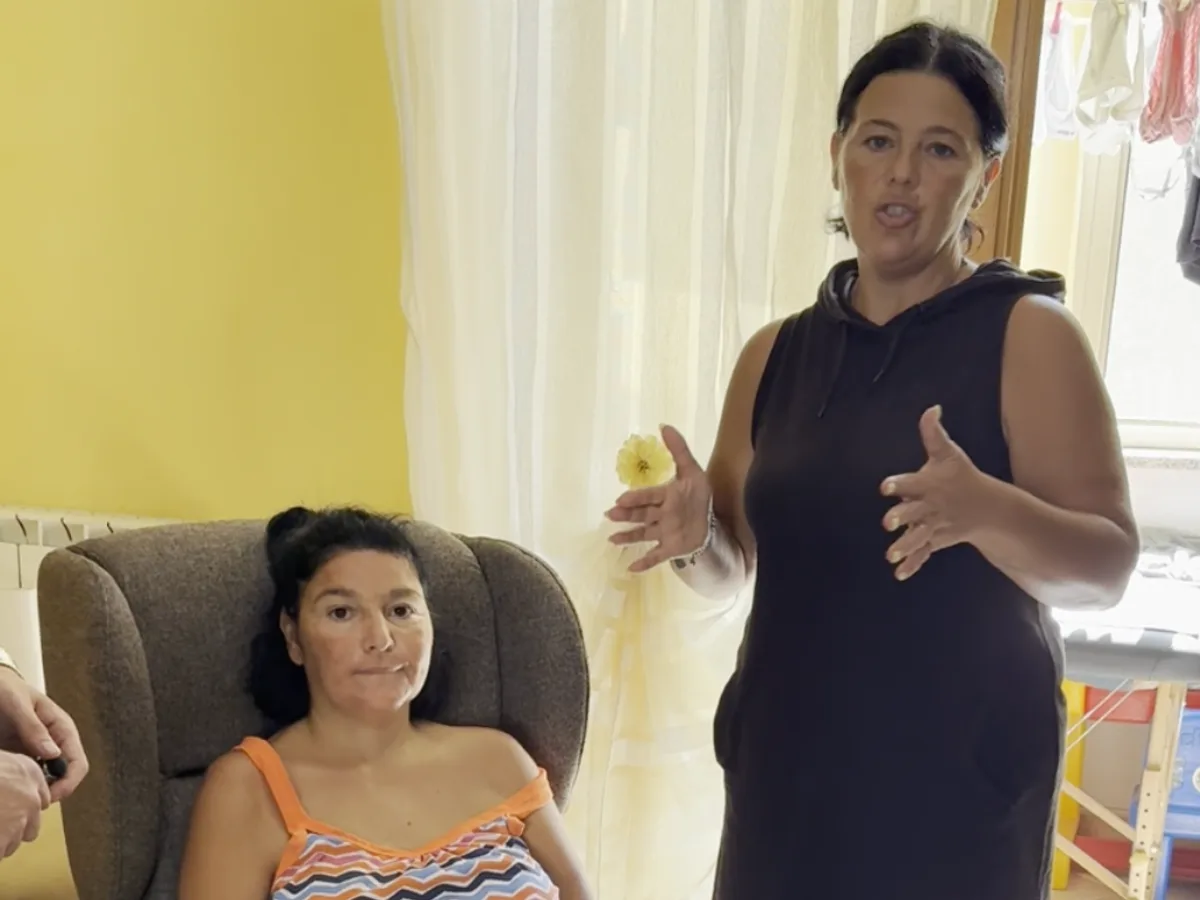
“She can sit through a meal now. She plays with her brother. She sleeps through most nights. Our daughter was having 15–20 seizures a day on three medications. After treatment, that dropped to 3–4. Her neurologist in Toulouse confirmed the EEG improved. The difference in her daily life is enormous.”
Patient's mother
Lennox-Gastaut Syndrome · France
Every case is assessed individually by our physician team. Request a consultation to discuss your specific situation with our physician team.
Request ConsultationPatient Cases
Documented treatment outcomes recorded by the BioCells Medical team after personalised regenerative medicine protocols.
Get Started
If you or someone in your family has been diagnosed with drug-resistant epilepsy, our medical team is available for a free, no-obligation medical consultation — based on your diagnosis, seizure history, current medication regimen and individual clinical profile.
We review every inquiry personally. You will speak with a physician, not an administrator.
Submit your case online or by phone
Our medical consultant contacts you to review your documents
The medical board presents your personalised treatment plan
Request a Consultation
Tell us about your condition. Our medical consultant will contact you within 24 hours to review your documents.
Open Consultation FormMultilingual coordination — English, Italian, French, Russian, Polish
Evidence Base
Our clinical approach is informed by and consistent with published research in the field of regenerative medicine.