OSTEONECROSIS · BONE INFARCTION · FEMORAL HEAD NECROSIS
A physician-led, laboratory-verified treatment programme targeting bone vascular supply restoration, osteocyte survival and structural preservation — tailored to the individual biology, ARCO stage and clinical profile of each AVN patient.
Request Medical ConsultationAbout the Condition
Avascular Necrosis (AVN) — also termed osteonecrosis or bone infarction — is a condition in which disrupted blood supply to a bone segment leads to ischaemic death of osteocytes and progressive structural collapse. The femoral head is the most frequently affected site, though any bone with a tenuous vascular supply can be involved.
Without adequate blood flow, bone tissue undergoes necrosis. In early stages the damage may be clinically silent. As necrosis progresses, the subchondral bone weakens, microfractures accumulate, and the articular surface collapses — resulting in severe joint pain, restricted range of motion and ultimately end-stage arthritis requiring joint replacement.
AVN affects an estimated 10,000–20,000 new patients per year in the United States alone. Common risk factors include prolonged corticosteroid use, alcohol excess, sickle cell disease, trauma and autoimmune conditions. Standard orthopaedic management in later stages centres on total joint replacement — our programme offers a biological alternative, particularly effective in ARCO stages I–III before irreversible collapse occurs.
Femoral Head AVN
The most common site, accounting for the vast majority of AVN diagnoses. Disrupted blood supply to the femoral head leads to hip pain, reduced weight-bearing capacity and progressive collapse of the articular surface. Strongly associated with corticosteroid use, alcohol excess and post-traumatic vascular disruption.
Humeral Head AVN
Osteonecrosis of the shoulder. Often follows proximal humerus fracture, prolonged steroid therapy or radiation. Presents as progressive shoulder pain with loss of rotation and overhead function. Less common than femoral head involvement but equally debilitating for upper limb function.
Knee Condyle AVN
Affects the medial or lateral femoral condyle, occasionally the tibial plateau. May occur spontaneously (SONK — spontaneous osteonecrosis of the knee) or secondary to steroid use. Presents as acute-onset knee pain with localised tenderness. Can mimic meniscal pathology on clinical examination.
Talus AVN
Osteonecrosis of the talus bone in the ankle. Most frequently post-traumatic, following talar neck fractures that disrupt the retrograde blood supply. Presents as chronic ankle pain, stiffness and difficulty with weight-bearing. Limited treatment options due to the complex vascular anatomy of the talus.
Our program is individually adapted for all subtypes and all stages of progression.
Important: Each patient is accepted into the programme only after a comprehensive individual medical assessment, which evaluates diagnosis, ARCO stage, affected joint(s), MRI findings and overall clinical profile.
The BioCells Program
Our AVN programme combines five biological components into a single personalised protocol. No two protocols are identical — each is constructed following a detailed medical evaluation of the patient's imaging, ARCO classification, vascular status and clinical priorities.
Targets the biological cause, not only the symptoms
Our protocol addresses disrupted vascularity and osteocyte death directly — the two mechanisms driving AVN progression toward collapse and joint replacement.
Strong published evidence base
MSC therapy for AVN — particularly in combination with core decompression — is one of the most well-supported applications in regenerative orthopaedics, with multiple prospective clinical trials demonstrating superiority over core decompression alone.
No joint replacement required
For patients in ARCO stages I–III, our biological approach aims to preserve the native joint. Joint replacement remains an option if needed later — cellular therapy does not preclude future surgical intervention.
No general anaesthesia
Cellular administration is performed under local anaesthesia and, where needed, light sedation. Recovery is rapid, with most patients mobilising the same day.
No risk of immune rejection
MSCs are immunoprivileged: they express low levels of HLA-I, lack HLA-II and carry a minimal risk of rejection whether the protocol is autologous or allogeneic. Allogeneic MSC protocols do not require immunosuppression.
Complements existing orthopaedic management
Our programme is compatible with prior or concurrent core decompression, bisphosphonate therapy and physiotherapy. Patients do not need to discontinue existing treatment.
What It Is
T-regs are specialised immune cells that naturally suppress excessive inflammatory processes. In the context of AVN, chronic low-grade inflammation at the necrotic site impairs vascular repair and bone remodelling — T-regs help restore the conditions necessary for biological recovery.
How It Is Done
Delivered autologously (from the patient's own blood) or allogeneically (from a certified donor), based on the patient's immune status and clinical assessment. Preparation and quality testing performed in our laboratory.
Biological Mechanisms
How This Helps in Avascular Necrosis
The necrotic zone in AVN is not biologically inert — it generates a persistent inflammatory response that actively interferes with healing. T-regs suppress this destructive cycle, allowing MSCs and endogenous repair mechanisms to function in an environment conducive to actual bone regeneration rather than continued tissue breakdown.
Your Medical Board
The exact combination, dosage, sequencing and delivery method of all five components is determined individually by our medical board for each patient. No two treatment protocols are identical. Your programme is constructed based on your specific diagnosis, ARCO stage, affected joint(s), biological markers and clinical priorities.
Your protocol is designed individually. Speak with our medical team to understand what your personalised program would include.
Request ConsultationPatient Journey
Your case is reviewed remotely by our physician team. We assess your diagnosis, current imaging (MRI, X-ray), ARCO classification, pain level and treatment goals. This consultation is free and carries no obligation.
A detailed review of all medical documentation including MRI sequences. Our medical board evaluates eligibility, confirms ARCO staging, assesses remaining viable bone and designs your personalised therapeutic protocol.
Your cells are collected, isolated, expanded and quality-tested in our laboratory. Each batch receives a full traceability certificate. This stage typically takes 2–3 weeks.
Cells are delivered by intra-osseous injection, intra-articular administration or intravenous infusion — depending on the clinical protocol determined by our medical board. Treatment is conducted at our clinic under image guidance where indicated. Airport transfers, accommodation and visa support are included in the programme.
Structured rehabilitation programme with our specialist, including progressive weight-bearing protocols, joint mobility work and gait retraining. Adapted to your specific joint involvement and ARCO stage. Available at our clinic or remotely coordinated with your local physiotherapist.
Your dedicated coordinator monitors functional status, arranges follow-up imaging and provides clinical guidance. A medical-grade wearable bracelet supports continuous activity and gait data collection. Follow-up MRI at 3, 6 and 12 months is standard protocol.
The first step is free. Request a medical consultation and our medical consultant will contact you within 24 hours.
Request ConsultationSafety Profile
Cellular therapy for AVN is considered safe when delivered under proper medical supervision and according to validated protocols. In our practice, the procedure is well-tolerated by the majority of patients.
Temporary mild reactions — such as transient discomfort at the injection site, mild swelling of the treated joint or low-grade temperature — may occur in a minority of patients. These are typically short-lived and indicate active biological engagement.
A final medical assessment is performed on-site before every treatment session. If a patient's status has changed — including new imaging findings — the programme may be temporarily modified or postponed for safety reasons.
All contraindications are evaluated individually. ARCO stage IV is listed because the biological window for joint preservation has typically closed — however, borderline cases are always reviewed by our medical board.
Standard Contraindications
Active acute infection or fever
Active malignancy or ongoing chemotherapy / radiotherapy
Severe decompensated cardiac or renal failure
Pregnancy
ARCO stage IV with complete articular collapse and secondary osteoarthritis — joint replacement is the appropriate intervention at this stage
Post-Treatment
Dedicated rehabilitation specialist
monitors joint function, weight-bearing progression and gait quality
Personalised rehabilitation programme
progressive loading protocol adapted to your specific joint and ARCO stage
Medical-grade wearable monitoring
continuous activity and gait data collection supporting clinical decision-making
Follow-up imaging protocol
MRI at 3, 6 and 12 months to track necrotic zone evolution and bone remodelling
Long-term coordinator support
proactive check-ins, clinical guidance and response to any changes in status
Bone remodelling is a slow biological process. Structural changes on MRI typically lag behind clinical improvement by several months. Premature overloading of the treated joint can compromise the repair process — the post-treatment protocol is designed to balance progressive functional recovery with the biological timeline of bone regeneration.
Patient Stories
“Both hips affected. I was 38 and facing bilateral hip replacement. My surgeon said there was no alternative. After treatment, the follow-up imaging months later showed the damaged area had reduced on the left and stabilised on the right. The pain dropped substantially. I walk without a cane for the first time in over a year.”
Patient
Bilateral femoral head AVN (steroid-induced) · India
Every case is assessed individually by our physician team. Request a consultation to discuss your specific situation with our physician team.
Request ConsultationPatient Cases
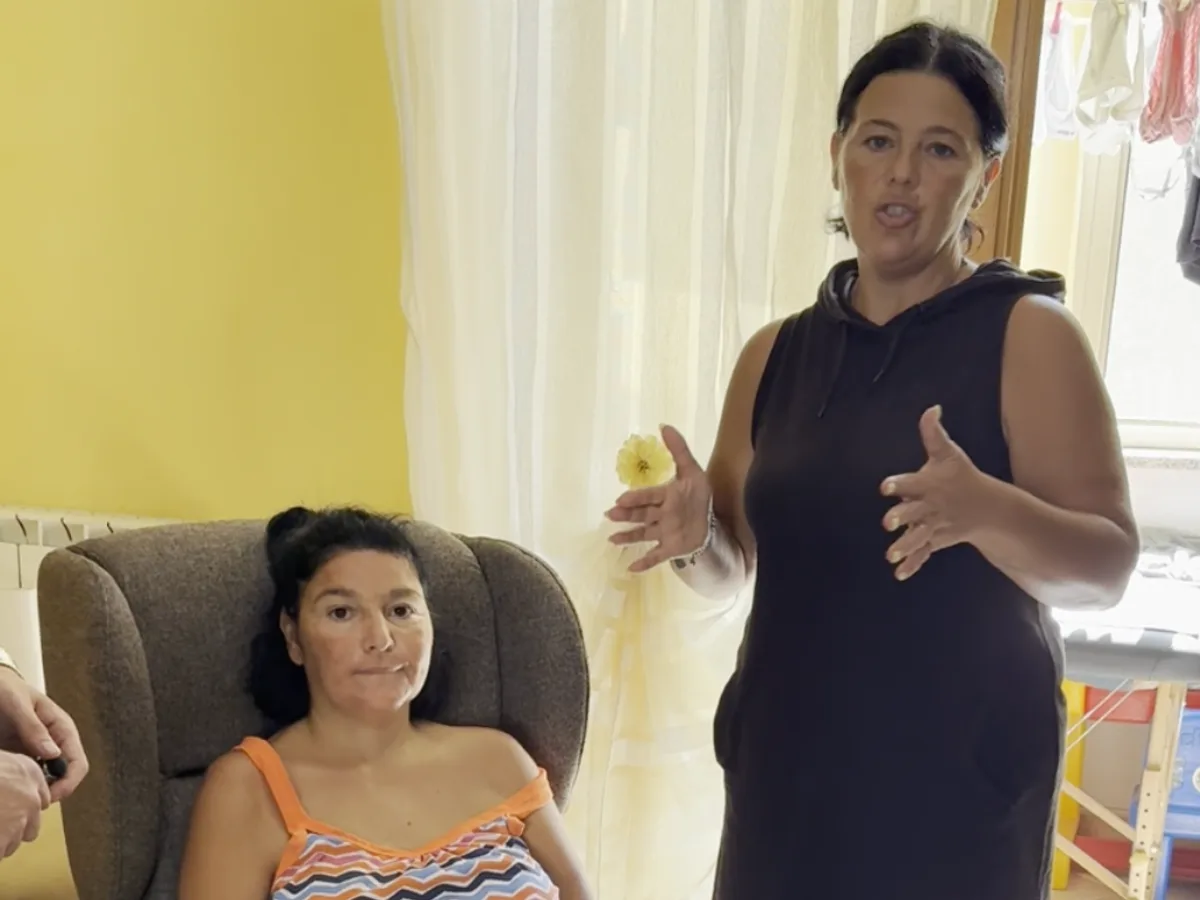
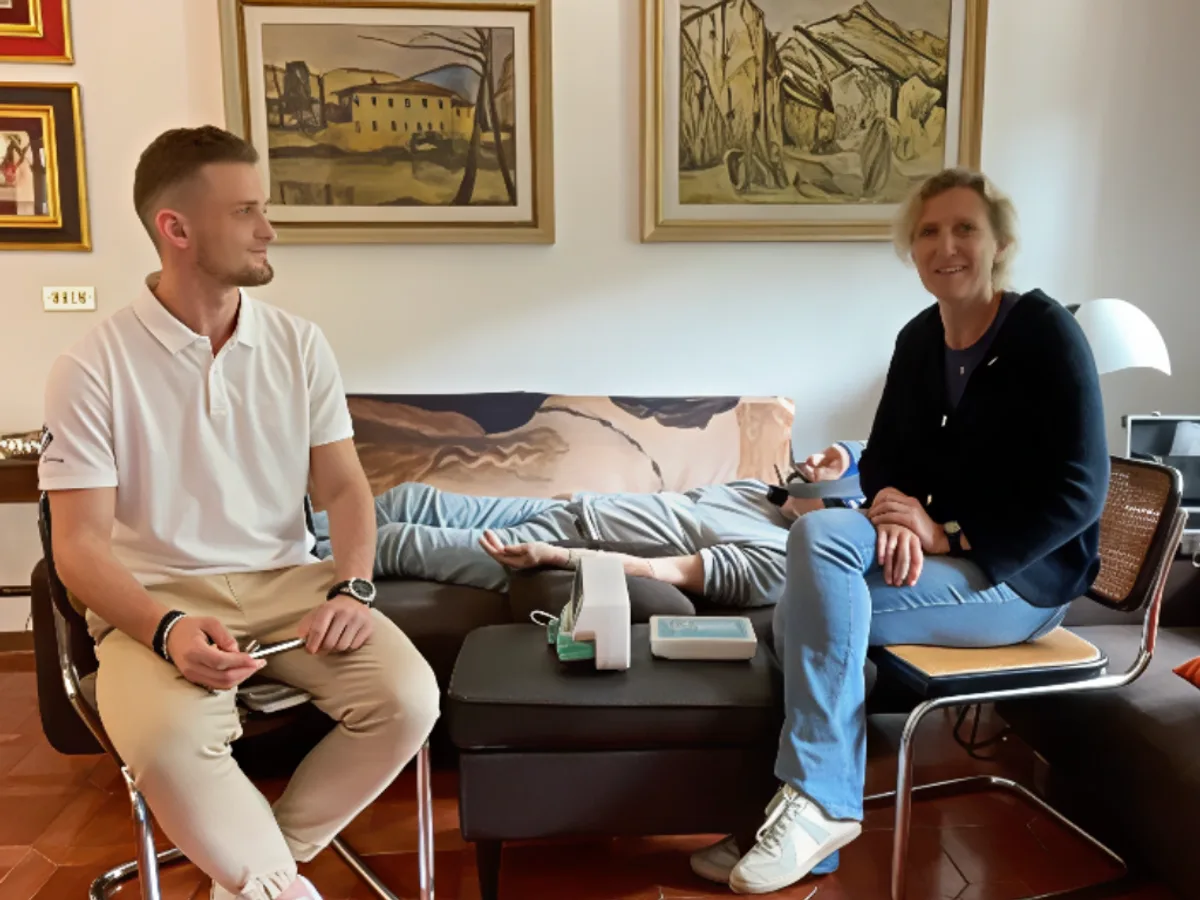
Documented treatment outcomes recorded by the BioCells Medical team after personalised regenerative medicine protocols.
Get Started
If you or someone you know has been diagnosed with avascular necrosis, our medical team is available for a free, no-obligation medical consultation — based on your imaging, ARCO stage and individual clinical profile.
We review every inquiry personally. You will speak with a physician, not an administrator.
Submit your case online or by phone
Our medical consultant contacts you to review your documents
The medical board presents your personalised treatment plan
Request a Consultation
Tell us about your condition. Our medical consultant will contact you within 24 hours to review your documents.
Open Consultation FormMultilingual coordination — English, Italian, French, Russian, Polish
Evidence Base
Our clinical approach is informed by and consistent with published research in the field of regenerative medicine.