POST-TREATMENT LYME DISEASE SYNDROME · PTLDS · CHRONIC BORRELIOSIS
A physician-led, laboratory-verified treatment programme targeting persistent neuroinflammation, immune dysregulation and systemic fatigue in patients with ongoing symptoms following standard Lyme disease treatment — individualised to each patient's clinical presentation, symptom profile and biological markers.
Request Medical ConsultationAbout the Condition
Post-Treatment Lyme Disease Syndrome (PTLDS) — sometimes referred to as chronic Lyme disease or chronic borreliosis — describes a clinical state in which patients continue to experience debilitating symptoms long after completing standard antibiotic therapy for Borrelia burgdorferi infection. Common persistent symptoms include profound fatigue, cognitive dysfunction (often described as 'brain fog'), musculoskeletal pain, peripheral neuropathy and sleep disturbance.
The pathophysiology of PTLDS remains a subject of active medical debate. Current evidence suggests that in many patients, the ongoing symptoms are driven not by persistent active infection but by residual immune activation, chronic neuroinflammation, mitochondrial dysfunction and dysregulated immune signalling triggered by the original infection. The immune system, in effect, continues to behave as though the threat is still present.
PTLDS affects an estimated 10–20% of patients treated for Lyme disease. Standard medical care offers limited options beyond symptomatic management. Our programme specifically targets the biological mechanisms that sustain symptoms after the infection itself has been addressed — immune dysregulation, neuroinflammation and cellular metabolic impairment.
Neurological PTLDS
Predominant cognitive symptoms: difficulty concentrating, memory impairment, word-finding problems, mental fatigue and processing speed reduction. May include peripheral neuropathy — numbness, tingling or burning sensations in extremities. Often accompanied by sleep architecture disruption and headaches.
Musculoskeletal PTLDS
Dominant presentation includes migratory joint pain, diffuse myalgia, profound physical fatigue and exercise intolerance. Symptoms frequently overlap with fibromyalgia-like presentations. Patients often report that physical activity triggers multi-day symptom flares.
Cardiac PTLDS
A rare subtype involving persistent cardiac conduction abnormalities, palpitations or exercise-related cardiac symptoms following resolved Lyme carditis. Requires careful cardiological screening before enrolment. Represents a small minority of PTLDS cases.
Mixed / Systemic PTLDS
Combination of neurological, musculoskeletal and autonomic symptoms. Patients present with fatigue, cognitive dysfunction, joint pain and autonomic dysregulation simultaneously. This is the most common clinical presentation, reflecting the systemic nature of post-infectious immune disruption.
Our program is individually adapted for all subtypes and all stages of progression.
Important: Each patient is accepted into the programme only after a comprehensive individual medical assessment, including review of infection history, serological data, current symptom profile and overall clinical status.
The BioCells Program
Our PTLDS programme combines five biological components into a single personalised protocol. Each protocol is constructed following a detailed medical evaluation of the patient's immune status, inflammatory markers, neurological findings and predominant symptom profile.
Minimally invasive administration
Treatment is delivered by intravenous infusion or targeted local injection — not surgical instruments.
No general anaesthesia
All procedures are performed under local anaesthesia or require no anaesthesia at all.
No risk of immune rejection
MSCs are immunoprivileged: they express low levels of HLA-I, lack HLA-II and carry a minimal risk of rejection whether the protocol is autologous or allogeneic. Allogeneic MSC protocols do not require immunosuppression.
Targets the persistent inflammatory response, not the infection
Our protocol addresses the immune dysregulation, neuroinflammation and mitochondrial dysfunction that sustain symptoms — rather than attempting to treat an infection that standard testing indicates has already been addressed.
Complements existing medication
Our programme is compatible with current symptomatic medications. Patients do not need to discontinue existing treatment before commencing our protocol.
Patients from around the world
We work with patients from around the world. Airport transfers, accommodation, visa support and multilingual coordination are included in every treatment programme.
What It Is
T-regs are specialised immune cells responsible for maintaining immune tolerance and preventing excessive inflammatory responses. In PTLDS patients, T-reg function is frequently impaired — contributing to the persistent immune activation that drives ongoing symptoms.
How It Is Done
Delivered autologously (from the patient's own blood) or allogeneically (from a certified donor), based on the patient's immune profile and clinical assessment. Preparation and quality testing performed in our laboratory.
Biological Mechanisms
How This Helps in Post-Treatment Lyme Disease Syndrome
Post-infectious immune dysregulation is a central feature of PTLDS. T-regs directly counteract this by suppressing the overactive immune response, reducing the inflammatory burden on neural and musculoskeletal tissue, and restoring the immune system's ability to distinguish between genuine threats and normal tissue — a distinction that chronic activation has compromised.
Your Medical Board
The exact combination, dosage, sequencing and delivery method of all five components is determined individually by our medical board for each patient. No two treatment protocols are identical. Your programme is constructed based on your specific symptom profile, immune status, biological markers and clinical priorities.
Your protocol is designed individually. Speak with our medical team to understand what your personalised program would include.
Request ConsultationPatient Journey
Your case is reviewed remotely by our physician team. We assess your infection history, current symptom profile, prior treatments and clinical goals. This consultation is free and carries no obligation.
A detailed review of all medical documentation, including serological history, imaging, immune panels and symptom assessment scores (FSS, MoCA). Our medical board evaluates eligibility, confirms safety parameters and designs your personalised therapeutic protocol.
Your cells are collected, isolated, expanded and quality-tested in our laboratory. Each batch receives a full traceability certificate. This stage typically takes 2–3 weeks.
Cells are delivered by intravenous infusion — no surgery, no general anaesthesia. Airport transfers, accommodation and visa support are included in the programme for international patients.
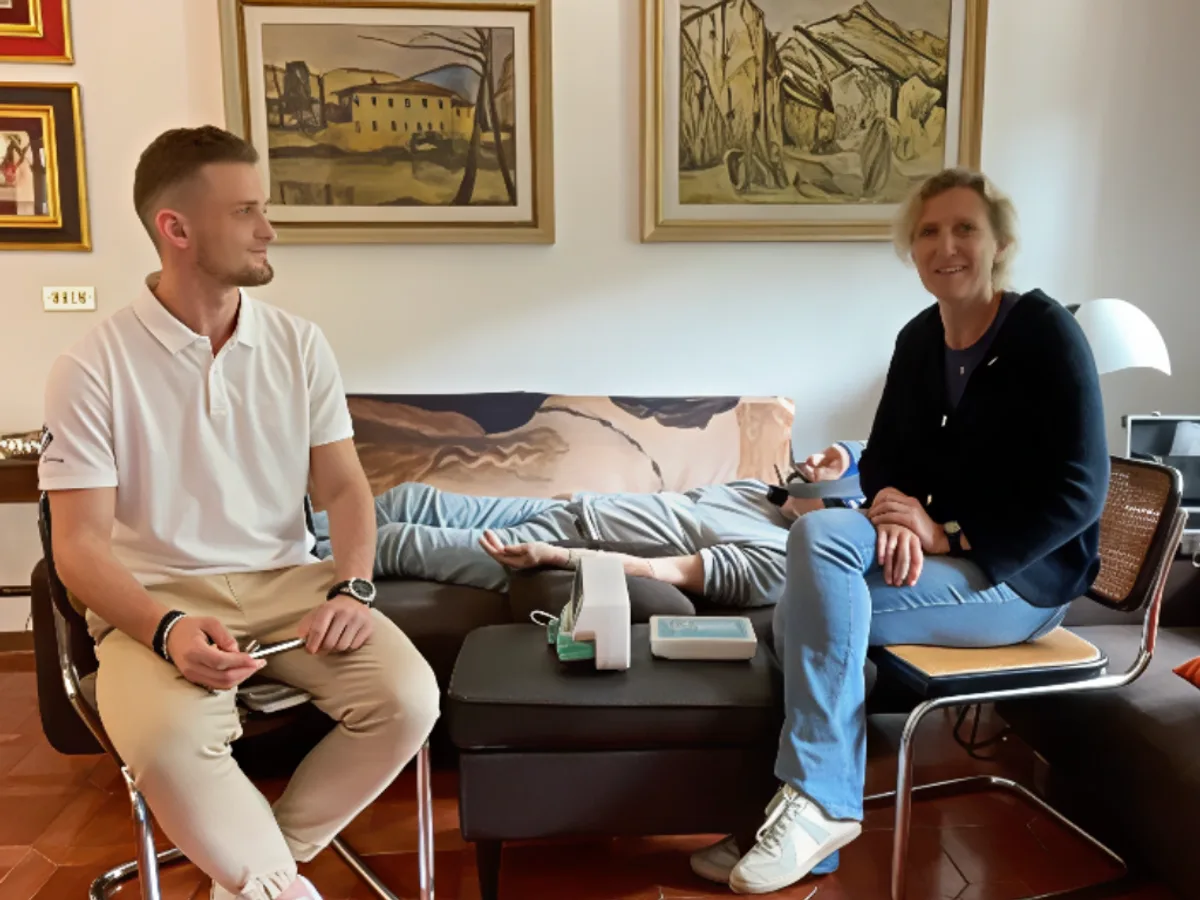
Structured rehabilitation sessions with our specialist, adapted to your symptom profile and functional capacity. Includes graded activity protocols designed to avoid post-exertional flares. Available at our clinic or remotely coordinated with your local medical team.
Your dedicated coordinator monitors symptom trajectory, functional status and assessment scores. A medical-grade wearable bracelet supports continuous physiological data collection. Follow-up includes regular reassessment of FSS, cognitive function and overall symptom burden.
The first step is free. Request a medical consultation and our medical consultant will contact you within 24 hours.
Request ConsultationSafety Profile
Cellular therapy is considered safe when delivered under proper medical supervision and according to validated protocols. In our practice, the procedure is well-tolerated by the majority of patients.
Temporary mild reactions — such as transient fatigue, slight temperature elevation or local discomfort at the infusion site — may occur in a minority of patients. In PTLDS patients, temporary symptom fluctuation in the first 1–2 weeks is not uncommon and typically reflects active immune modulation.
A final medical assessment is performed on-site before every treatment session. If a patient's status has changed, the programme may be temporarily modified or postponed for safety reasons.
All contraindications are evaluated individually. Patients with suspected active Borrelia infection will be referred for appropriate antimicrobial assessment before consideration for cellular therapy.
Standard Contraindications
Active acute infection or fever
Active malignancy or ongoing chemotherapy / radiotherapy
Severe decompensated cardiac or renal failure
Pregnancy
Post-Treatment
Dedicated clinical coordinator
monitors symptom trajectory, fatigue levels and cognitive function
Personalised graded activity programme
structured to rebuild capacity without triggering post-exertional flares
Medical-grade wearable monitoring
continuous physiological data collection supporting clinical decision-making
Long-term coordinator support
proactive check-ins, clinical guidance and response to any changes in status
Continued clinical access
our medical team remains available for ongoing reassessment and protocol adjustment
Immune recalibration and neuroinflammatory resolution follow a gradual trajectory. Symptom improvement often continues well beyond the treatment period itself. Structured monitoring during this phase allows us to track response, adjust recommendations and intervene if symptom patterns change.
Patient Stories
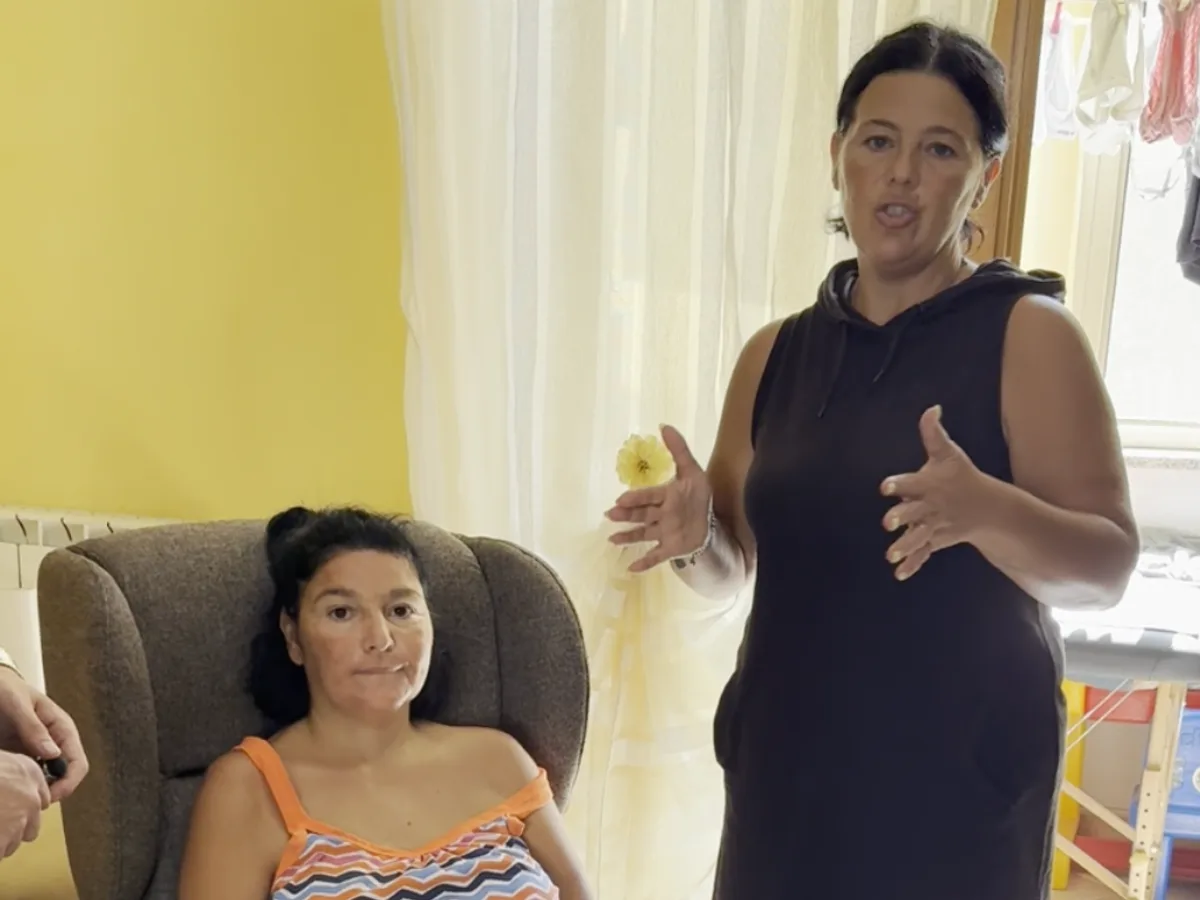
“Three years of antibiotics, dozens of supplements, nothing changed. I could barely work two hours a day. After the programme I started waking up without that crushing exhaustion. I can drive again, I can cook dinner for my kids. Those things were gone for years.”
Patient
PTLDS (neurological / fatigue-predominant) · Germany
Every case is assessed individually by our physician team. Request a consultation to discuss your specific situation with our physician team.
Request ConsultationPatient Cases
Documented treatment outcomes recorded by the BioCells Medical team after personalised regenerative medicine protocols.
Get Started
If you continue to experience debilitating symptoms following Lyme disease treatment, our medical team is available for a free, no-obligation medical consultation — based on your infection history, current symptom profile and individual clinical presentation.
We review every inquiry personally. You will speak with a physician, not an administrator.
Submit your case online or by phone
Our medical consultant contacts you to review your documents
The medical board presents your personalised treatment plan
Request a Consultation
Tell us about your condition. Our medical consultant will contact you within 24 hours to review your documents.
Open Consultation FormMultilingual coordination — English, Italian, French, Russian, Polish
Evidence Base
Our clinical approach is informed by and consistent with published research in the field of regenerative medicine.