ULCERATIVE COLITIS · INDETERMINATE COLITIS · IBD-UNCLASSIFIED
A physician-led programme targeting mucosal inflammation, epithelial barrier dysfunction and immune dysregulation in ulcerative colitis and other non-Crohn's IBD forms — designed to reduce disease activity, extend remission and restore gastrointestinal function.
Request Medical ConsultationAbout the Condition
Inflammatory Bowel Disease (IBD) is a group of chronic inflammatory conditions affecting the gastrointestinal tract. While Crohn's disease is the most widely recognised form, IBD also encompasses Ulcerative Colitis (UC), Indeterminate Colitis, IBD-Unclassified and Microscopic Colitis — each with distinct pathological features and clinical trajectories.
Ulcerative Colitis affects the mucosal lining of the colon and rectum, causing continuous inflammation that leads to ulceration, bleeding, diarrhoea and progressive tissue damage. Unlike Crohn's, UC inflammation is limited to the large intestine and extends proximally from the rectum in a continuous pattern.
Standard treatment relies on aminosalicylates, corticosteroids, immunosuppressants and biologics. Many patients cycle through multiple agents, experience steroid dependence, or face colectomy when medical management fails. Our programme targets the underlying biological mechanisms driving mucosal destruction — offering a structured adjunct to conventional care.
Ulcerative Colitis — Proctitis
Inflammation confined to the rectum. The mildest anatomical extent of UC, though symptoms — rectal bleeding, urgency and tenesmus — can significantly impair quality of life. Approximately 30–50% of proctitis cases progress to more extensive disease over time.
Ulcerative Colitis — Left-Sided (Distal)
Inflammation extends from the rectum to the splenic flexure. Presents with bloody diarrhoea, abdominal cramping and urgency. Accounts for approximately 30–40% of UC diagnoses. Carries intermediate risk for complications and colectomy.
Ulcerative Colitis — Extensive / Pancolitis
Inflammation involves the entire colon. The most severe anatomical pattern, associated with higher hospitalisation rates, increased colectomy risk and greater systemic inflammatory burden. Requires aggressive medical management and close monitoring.
Indeterminate Colitis
Diagnosed when histological and clinical features overlap between UC and Crohn's disease, making definitive classification impossible. Approximately 5–15% of IBD cases fall into this category. Treatment decisions require careful individualisation.
IBD-Unclassified
A clinical designation for patients with confirmed IBD who do not meet full diagnostic criteria for either UC or Crohn's. Often applied early in the disease course when the phenotype has not yet fully declared itself. Requires longitudinal monitoring and adaptive treatment strategy.
Microscopic Colitis (Collagenous / Lymphocytic)
Characterised by chronic watery diarrhoea with grossly normal colonoscopy findings — diagnosis requires biopsy. Divided into collagenous colitis (thickened collagen band) and lymphocytic colitis (intraepithelial lymphocyte infiltration). More common in older adults and women. Often underdiagnosed.
Our program is individually adapted for all subtypes and all stages of progression.
Important: Each patient is accepted into the programme only after a comprehensive individual medical assessment, which evaluates diagnosis, disease extent, current treatment regimen, laboratory markers and overall clinical profile.
The BioCells Program
Our IBD programme combines five biological components into a single personalised protocol. No two protocols are identical — each is constructed following a detailed medical evaluation of the patient's biological profile, disease extent and clinical priorities.
Minimally invasive administration
Treatment is delivered by intravenous infusion or targeted local administration — not surgical instruments. Particularly relevant for patients wishing to avoid or delay colectomy.
No general anaesthesia
All procedures are performed without general anaesthesia, reducing procedural risk and recovery time.
No risk of immune rejection
MSCs are immunoprivileged: they express low levels of HLA-I, lack HLA-II and carry a minimal risk of rejection whether the protocol is autologous or allogeneic. Allogeneic MSC protocols do not require immunosuppression.
Targets mucosal biology, not just symptom suppression
Rather than suppressing symptoms with corticosteroids, our protocol targets epithelial barrier dysfunction, immune dysregulation and goblet cell depletion — the biological drivers of disease activity.
Complements existing medication
Our programme is compatible with aminosalicylates, biologics, immunosuppressants and other current IBD medications. Patients do not need to discontinue existing treatment before commencing our protocol.
Patients from around the world
We work with patients from around the world. Airport transfers, accommodation, visa support and multilingual coordination are included in every treatment programme.
What It Is
T-regs are specialised immune cells that suppress pathological inflammatory responses. In IBD, the balance between pro-inflammatory effector T cells (Th2, Th17) and regulatory T cells is disrupted — restoring this balance is central to achieving durable remission.
How It Is Done
Delivered autologously (from the patient's own blood) or allogeneically (from a certified donor), based on the patient's immune profile and clinical assessment. Preparation and quality testing performed in our laboratory.
Biological Mechanisms
How This Helps in Inflammatory Bowel Disease
Ulcerative Colitis is driven by dysregulated Th2 and Th17 immune responses that attack the colonic epithelium. T-regs directly counteract this by suppressing the pathological immune activity, reducing collateral mucosal damage and re-establishing the immune tolerance necessary for sustained remission.
Your Medical Board
The exact combination, dosage, sequencing and delivery method of all five components is determined individually by our medical board for each patient. No two treatment protocols are identical. Your programme is constructed based on your specific diagnosis, disease extent, biological markers and clinical priorities.
Your protocol is designed individually. Speak with our medical team to understand what your personalised program would include.
Request ConsultationPatient Journey
Your case is reviewed remotely by our physician team. We assess your diagnosis, current disease activity, endoscopic findings, treatment history and clinical goals. This consultation is free and carries no obligation.
A detailed review of all medical documentation including colonoscopy reports, histology, laboratory results and imaging. Our medical board evaluates eligibility, confirms safety parameters and designs your personalised therapeutic protocol.
Your cells are collected, isolated, expanded and quality-tested in our laboratory. Each batch receives a full traceability certificate. This stage typically takes 2–3 weeks.
Cells are delivered by intravenous infusion or targeted local administration — no surgery, no general anaesthesia. Airport transfers, accommodation and visa support are included in the programme for international patients.
Structured monitoring of inflammatory markers, stool patterns and symptom response. Dietary and lifestyle guidance adapted to your disease subtype and mucosal status. Available at our clinic or remotely coordinated with your local gastroenterologist.
Your dedicated coordinator monitors disease activity, provides clinical guidance and adjusts recommendations based on your laboratory data and symptom trajectory. Faecal Calprotectin tracking and regular clinical reassessment support ongoing treatment decisions.
The first step is free. Request a medical consultation and our medical consultant will contact you within 24 hours.
Request ConsultationSafety Profile
Cellular therapy is considered safe when delivered under proper medical supervision and according to validated protocols. In our practice, the procedure is well-tolerated by the majority of IBD patients.
Temporary mild reactions — such as transient discomfort at the infusion site, slight fatigue or low-grade temperature — may occur in a minority of patients. These are typically short-lived and indicate active immune engagement.
A final medical assessment is performed on-site before every treatment session. If a patient's status has changed — including acute flare with systemic toxicity — the programme may be temporarily modified or postponed for safety reasons.
All contraindications are evaluated individually. A contraindication in one clinical context does not necessarily preclude treatment in a different context — this is always determined by physician assessment.
Standard Contraindications
Active acute infection or fever
Active malignancy or ongoing chemotherapy / radiotherapy
Severe decompensated cardiac or renal failure
Active toxic megacolon or bowel perforation
Pregnancy
Post-Treatment
Dedicated gastroenterological monitoring
tracks inflammatory markers, endoscopic response and symptom trajectory
Personalised dietary and lifestyle guidance
adapted to your IBD subtype, disease extent and mucosal status
Faecal Calprotectin tracking
objective biochemical monitoring of mucosal inflammation between visits
Long-term coordinator support
proactive check-ins, clinical guidance and response to any changes in status
Continued clinical access
our medical team remains available for ongoing reassessment and protocol adjustment
Mucosal healing is a gradual biological process. The post-treatment period requires structured monitoring and clinical patience. Premature steroid tapering or treatment changes should only be made under physician supervision based on objective markers — not symptom perception alone.
Patient Stories
“Two years on steroids. Every time we tried to reduce the dose, the bleeding returned. After treatment, I tapered off completely over a few months and stayed stable. My face went back to normal, the weight dropped. Being off steroids changed my body more than anything else we tried.”
Patient
Ulcerative Colitis (left-sided) · United Kingdom
Every case is assessed individually by our physician team. Request a consultation to discuss your specific situation with our physician team.
Request ConsultationPatient Cases
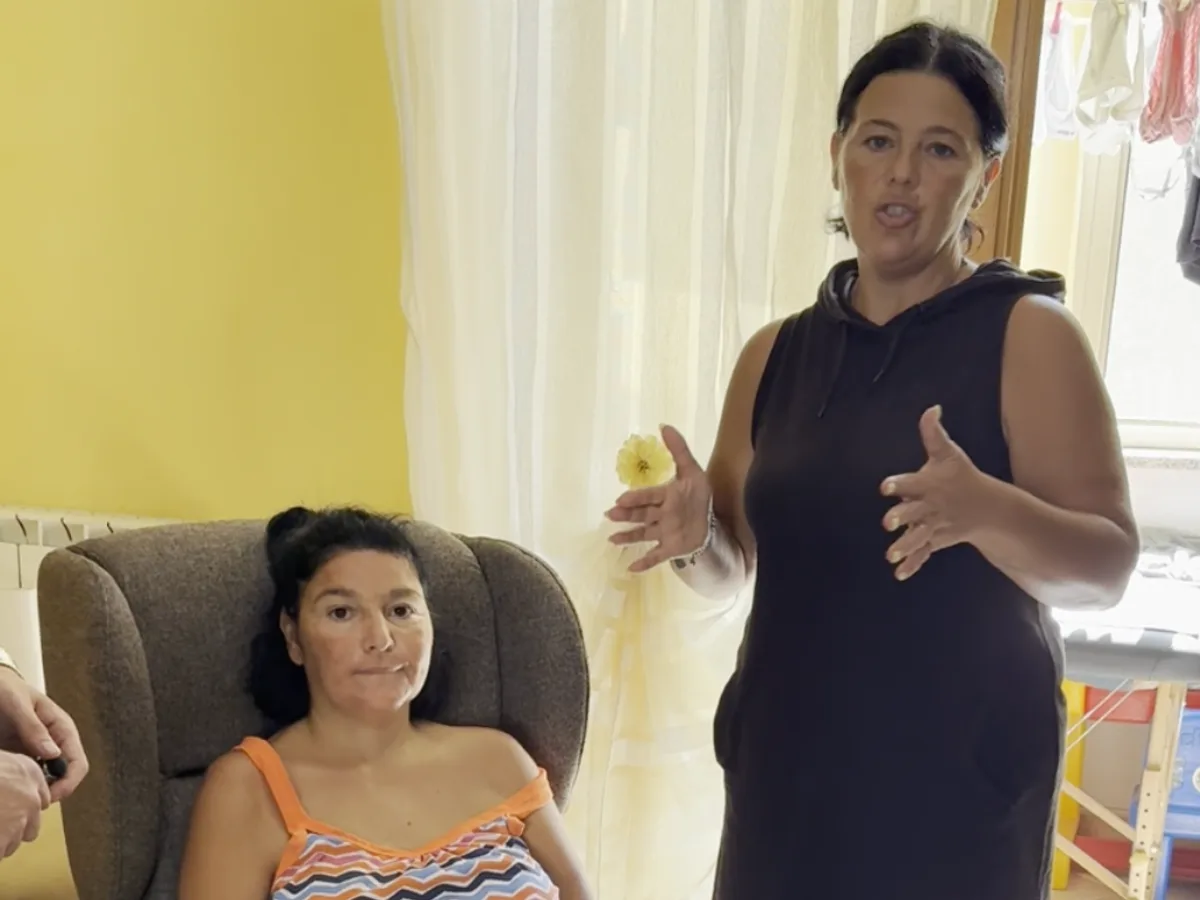
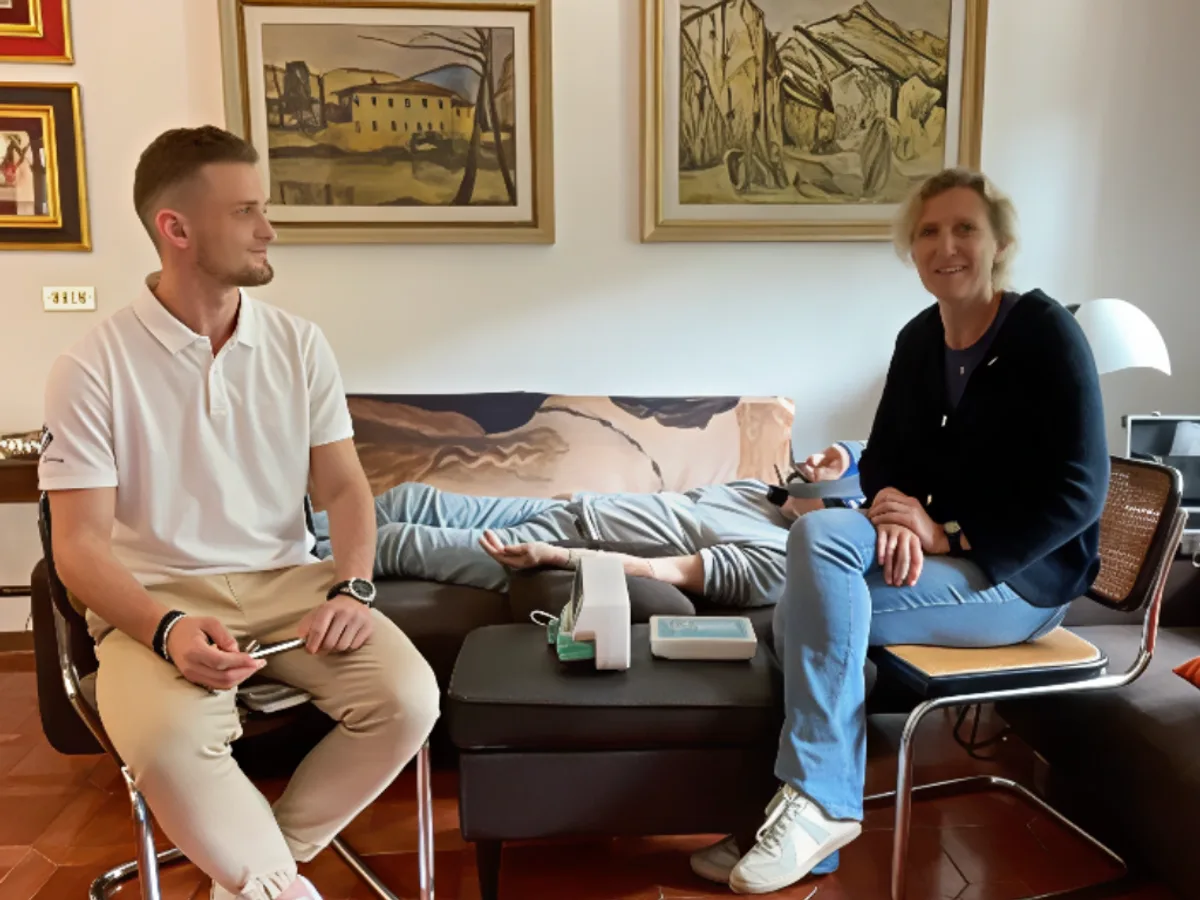
Documented treatment outcomes recorded by the BioCells Medical team after personalised regenerative medicine protocols.
Get Started
If you or someone you care about is living with Ulcerative Colitis or another form of IBD, our medical team is available for a free, no-obligation medical consultation — based on your diagnosis, disease extent and individual clinical profile.
We review every inquiry personally. You will speak with a physician, not an administrator.
Submit your case online or by phone
Our medical consultant contacts you to review your documents
The medical board presents your personalised treatment plan
Request a Consultation
Tell us about your condition. Our medical consultant will contact you within 24 hours to review your documents.
Open Consultation FormMultilingual coordination — English, Italian, French, Russian, Polish
Evidence Base
Our clinical approach is informed by and consistent with published research in the field of regenerative medicine.