ТАКЖЕ ИЗВЕСТЕН КАК СИНДРОМ СТИЛА–РИЧАРДСОНА–ОЛЬШЕВСКОГО
Программа лечения с лабораторным контролем, направленная на замедление функционального снижения, поддержку постуральной и окуломоторной стабильности и сохранение когнитивной автономии — адаптированная к индивидуальной биологии, стадии заболевания и клиническому профилю каждого пациента с ПНП.
Запросить медицинскую консультациюО заболевании
Прогрессирующий надъядерный паралич (ПНП) — редкая нейродегенеративная таупатия, характеризующаяся патологическим накоплением гиперфосфорилированного тау-белка в нейронах и глиальных клетках базальных ганглиев, ствола мозга и лобной коры. Это патологическое отложение тау приводит к прогрессирующей нейрональной дисфункции и гибели клеток в зонах, контролирующих движения глаз, равновесие, ходьбу, глотание и исполнительные когнитивные функции.
К характерным клиническим признакам относятся вертикальный надъядерный паралич взора (особенно взора вниз), ранняя постуральная нестабильность с падениями назад, аксиальная ригидность, псевдобульбарный аффект и прогрессирующее фронтально-субкортикальное когнитивное снижение. В отличие от болезни Паркинсона, ПНП плохо реагирует на леводопа-терапию.
ПНП поражает приблизительно 5–7 человек на 100 000 и нередко ошибочно диагностируется как болезнь Паркинсона на ранних стадиях. Медиана выживаемости от появления симптомов составляет 6–9 лет. Одобренных болезнь-модифицирующих методов лечения не существует. Современное стандартное ведение ограничено симптоматической поддержкой — именно здесь наша программа обеспечивает структурированное биологическое вмешательство.
Синдром Ричардсона (ПНП-СР)
Классический и наиболее распространённый фенотип, составляющий около 55% случаев ПНП. Характеризуется ранней постуральной нестабильностью, вертикальным надъядерным параличом взора, аксиальной ригидностью и лобной когнитивной дисфункцией. Падения, как правило, происходят в первый год появления симптомов. Прогрессирование обычно быстрее, чем при других вариантах ПНП.
ПНП-паркинсонизм (ПНП-П)
Проявляется асимметричным началом, тремором и первоначальным частичным ответом на леводопу — признаки, которые нередко ведут к ошибочной диагностике болезни Паркинсона. Паралич взора и постуральная нестабильность развиваются позже. Составляет около 25–30% случаев ПНП. Прогрессирование, как правило, медленнее, чем при синдроме Ричардсона.
ПНП-чистая акинезия с застыванием ходьбы (ПНП-ЧАЗХ)
Проявляется преимущественно прогрессирующим застыванием ходьбы, микрографией и запинками речи без выраженной ригидности или тремора на ранних стадиях. Вертикальный паралич взора может появиться лишь спустя годы после начала. Этот фенотип имеет наиболее медленное прогрессирование среди подтипов ПНП и нередко остаётся недиагностированным.
Наша программа индивидуально адаптируется для всех подтипов и всех стадий прогрессирования.
Важно: Каждый пациент принимается в программу только после всестороннего индивидуального медицинского обследования, оценивающего диагноз, стадию заболевания, окуломоторный и бульбарный статус, когнитивный профиль и общую клиническую картину.
Программа BioCells
Наша программа лечения ПНП объединяет пять биологических компонентов в единый персонализированный протокол. Никакие два протокола не идентичны — каждый разрабатывается после детальной медицинской оценки биологического профиля пациента, стадии заболевания и клинических приоритетов.
Минимально инвазивные методы введения
Лечение проводится внутривенной инфузией или целевой локальной инъекцией с применением специализированных медицинских систем — не хирургических инструментов.
Без общего наркоза
Особенно важно при ПНП, где постуральная нестабильность и нарушение глотания могут повышать риски наркоза.
Нет риска иммунного отторжения
МСК обладают иммунопривилегированным статусом: они экспрессируют низкий уровень HLA-I, не имеют HLA-II и несут минимальный риск отторжения как при аутологичном, так и при аллогенном применении. Аллогенные МСК-протоколы не требуют иммуносупрессии.
Воздействие на тау-обусловленную нейродегенерацию, а не только на симптомы
Вместо управления симптомами наш протокол нацелен на нейровоспаление, окислительный стресс и иммунную дизрегуляцию — биологические механизмы, усиливающие тау-патологию и обусловливающие прогрессирование ПНП.
Дополняет текущие препараты
Наша программа совместима с действующими препаратами для ПНП, включая пробные курсы леводопы, амантадин или симптоматические средства. Пациентам не нужно прекращать существующее лечение перед началом нашего протокола.
Пациенты со всего мира
Мы работаем с пациентами со всего мира. Трансферы из аэропорта, проживание, визовая поддержка и многоязычное сопровождение включены в каждую программу лечения.
Что это
Трeg — специализированные иммунные клетки, естественным образом подавляющие деструктивные воспалительные процессы в нервной системе. Это встроенный механизм иммунной системы для предотвращения избыточного иммунного повреждения здоровых тканей.
Как это делается
Вводятся аутологично (из собственной крови пациента) или аллогенно (от сертифицированного донора) — в зависимости от иммунного статуса пациента и клинической оценки. Подготовка и контроль качества выполняются в нашей лаборатории.
Биологические механизмы
Как это помогает при Что такое ПНП
При ПНП действует самоусиливающийся цикл: накопление тау провоцирует нейровоспаление, которое, в свою очередь, ускоряет распространение тау и гибель нейронов. Трeg прерывают этот цикл, подавляя деструктивный иммунный ответ, снижая сопутствующее повреждение интактных нейронов и помогая замедлить прогрессирующую утрату функций ствола мозга и фронтальной коры.
Ваша врачебная коллегия
Точная комбинация, дозировка, последовательность и способ введения всех пяти компонентов определяются нашим медицинским советом индивидуально для каждого пациента. Никакие два протокола лечения не идентичны. Ваша программа разрабатывается с учётом конкретного диагноза, фенотипа ПНП, биологических маркеров и клинических приоритетов.
Ваш протокол разрабатывается индивидуально. Свяжитесь с нашей медицинской командой, чтобы узнать, что будет включать Ваша персонализированная программа.
Запросить консультациюПуть пациента
Ваш случай дистанционно рассматривается командой наших врачей. Мы оцениваем диагноз, текущий статус по PSPRS, окуломоторный и когнитивный профиль, историю болезни и цели лечения. Консультация бесплатна и ни к чему не обязывает.
Детальный анализ всей медицинской документации, включая нейровизуализацию и нейропсихологические данные. Наш медицинский совет оценивает возможность участия в программе, подтверждает параметры безопасности и разрабатывает персонализированный терапевтический протокол.
Ваши клетки забирают, выделяют, размножают и проверяют качество в нашей лаборатории. Каждая партия получает полный сертификат прослеживаемости. Этот этап занимает, как правило, 2–3 недели.
Клетки вводятся внутривенной инфузией или целевым локальным введением — без операции, без общего наркоза. Трансферы из аэропорта, проживание и визовая поддержка включены в программу для международных пациентов.
Структурированные реабилитационные занятия со специалистом, адаптированные к текущей постуральной стабильности, окуломоторной функции и когнитивному статусу пациента. Включает тренировку взора, работу с равновесием и терапию глотания. Проводятся в клинике или дистанционно в координации с местной медицинской командой пациента.
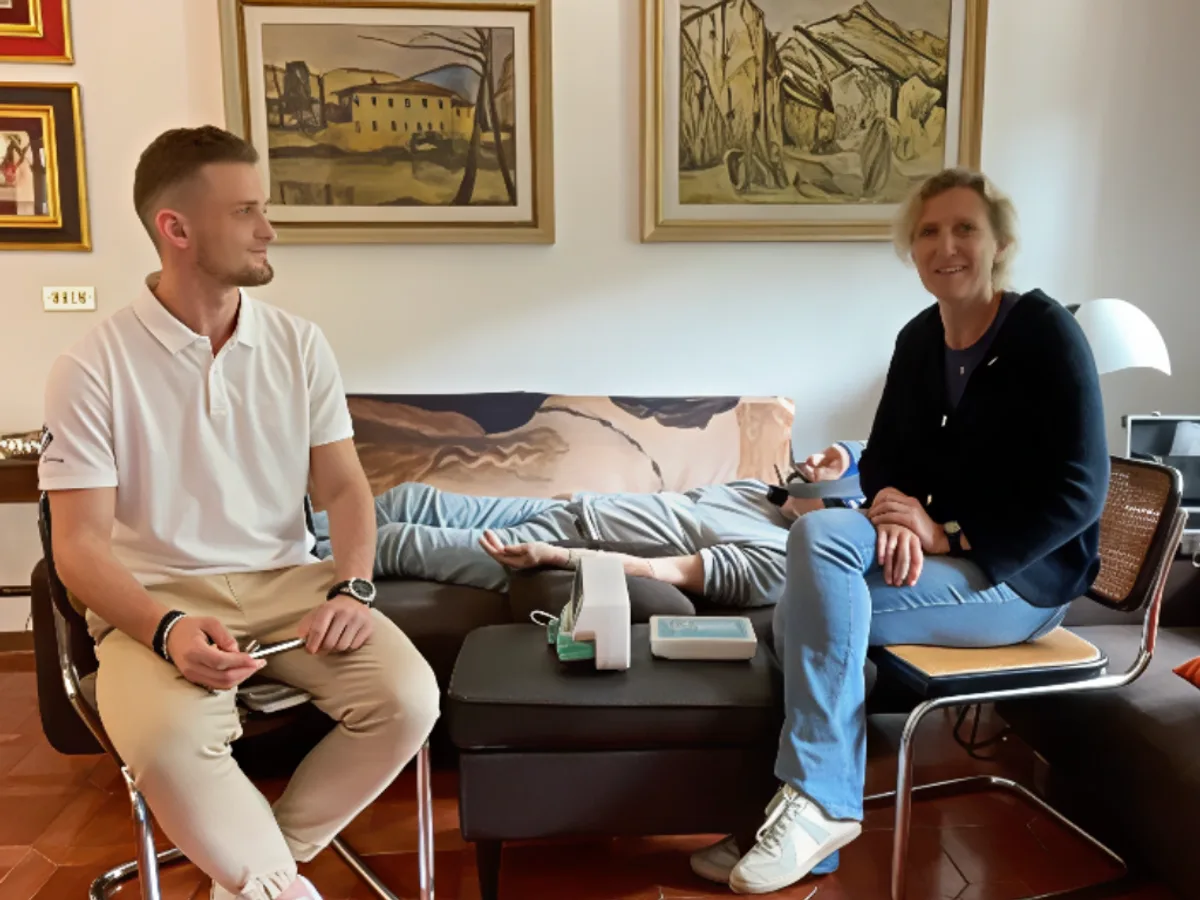
Ваш персональный координатор отслеживает прогрессирование по PSPRS, функциональный статус и общее самочувствие. Предоставляет клинические рекомендации и корректирует их на основе данных о восстановлении. Медицинский носимый прибор обеспечивает непрерывный мониторинг здоровья вне зависимости от Вашего местонахождения.
Первый шаг — бесплатно. Запросите медицинскую консультацию, и наш медицинский консультант свяжется с Вами в течение 24 часов.
Запросить консультациюПрофиль безопасности
Клеточная терапия считается безопасной при надлежащем медицинском контроле и соблюдении валидированных протоколов. В нашей практике процедура хорошо переносится большинством пациентов с ПНП.
Возможны временные лёгкие реакции — преходящий локальный дискомфорт в месте инфузии, лёгкая усталость или субфебрильная температура — у небольшой части пациентов. Как правило, они кратковременны и свидетельствуют об активном иммунном взаимодействии.
Окончательная медицинская оценка проводится на месте перед каждым сеансом лечения. Если состояние пациента изменилось — включая ухудшение глотания или усиление риска падений — программа может быть временно скорректирована или отложена в целях безопасности.
Все противопоказания оцениваются индивидуально. Наличие противопоказания в одном клиническом контексте не обязательно исключает лечение в другом контексте — это всегда определяется врачом.
Стандартные противопоказания
Острая активная инфекция или лихорадка
Активное злокачественное новообразование или текущая химио-/лучевая терапия
Тяжёлая декомпенсированная сердечная или почечная недостаточность
Беременность
После лечения
Специалист по реабилитации
контролирует постуральную стабильность, окуломоторную функцию и когнитивный статус
Персонализированная программа реабилитации
тренировка взора, балансотерапия, упражнения для глотания и поддержка лобных когнитивных функций, адаптированные к текущим возможностям
Мониторинг с помощью медицинского носимого прибора
непрерывный сбор физиологических данных, включая детектирование падений и отслеживание активности
Долгосрочная поддержка координатора
проактивные проверки, клинические рекомендации и реагирование на любые изменения состояния
Постоянный доступ к медицинской команде
наши врачи остаются доступны для текущей переоценки и корректировки протокола
Наш подход основан на принципе, что биологическая регенерация требует времени, мониторинга и корректировки. Период после лечения имеет такое же медицинское значение, как и само лечение. Последовательное наблюдение и структурированная реабилитация необходимы для сохранения и наращивания первоначального клинического ответа.
Истории пациентов
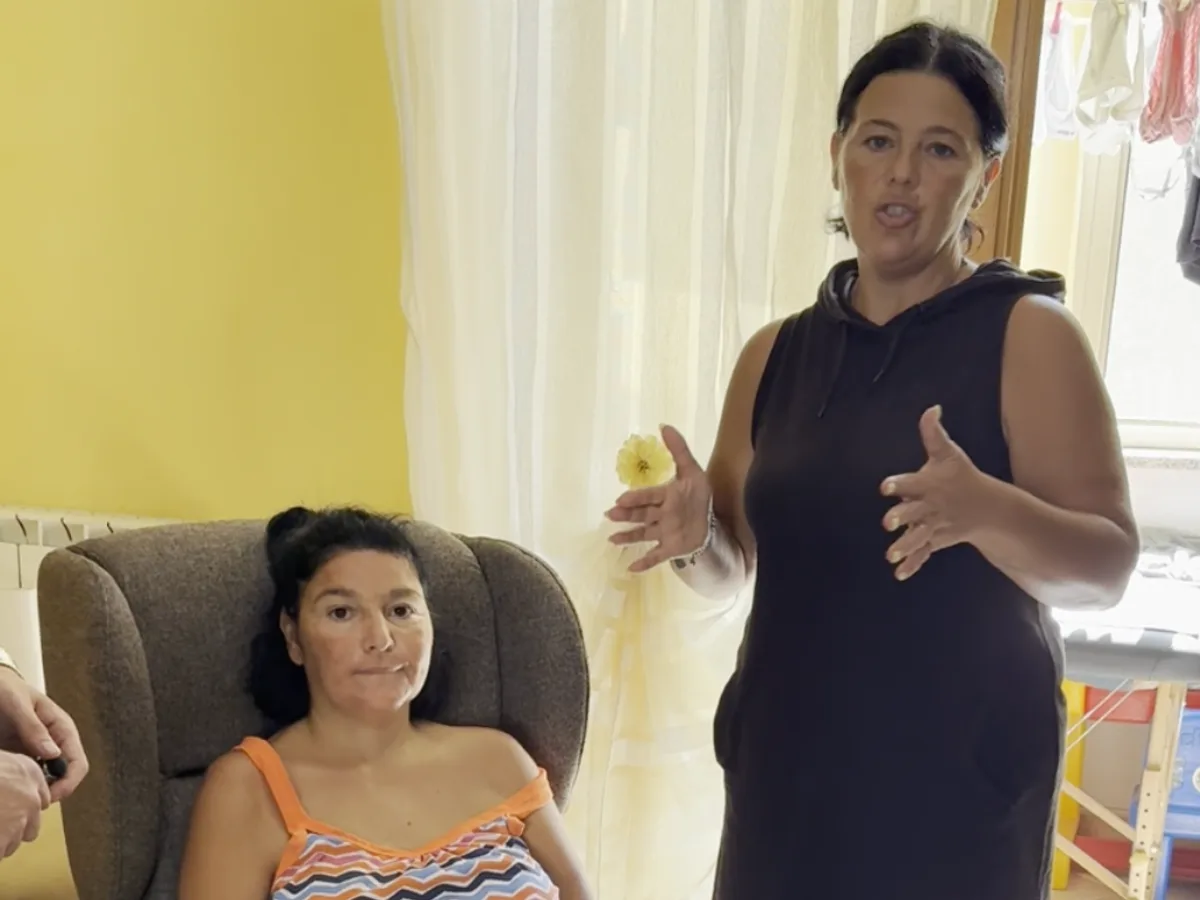
“Падения были худшим. Четыре-пять раз в неделю, всегда назад. После лечения их стало примерно раз в десять дней. Невролог в Лондоне не мог этого объяснить, но подтвердил, что улучшение реально.”
Жена пациента
ПНП (синдром Ричардсона) · Великобритания
Каждый случай оценивается индивидуально нашей командой врачей. Запросите консультацию для обсуждения Вашей конкретной ситуации.
Запросить консультациюКлинические наблюдения
Результаты лечения, зафиксированные командой BioCells Medical после проведения персонализированных протоколов регенеративной медицины.
Начать
Если Вам или Вашему близкому поставлен диагноз прогрессирующего надъядерного паралича, наша медицинская команда готова провести бесплатную консультацию без каких-либо обязательств — на основе Вашего диагноза, текущей стадии и индивидуального клинического профиля.
Мы лично рассматриваем каждое обращение. Вы будете говорить с врачом, а не с администратором.
Отправьте заявку онлайн или по телефону
Медицинский консультант свяжется с Вами для изучения документов
Врачебный консилиум представит персонализированную программу лечения
Запросить консультацию
Расскажите нам о Вашем заболевании. Наш медицинский консультант свяжется с Вами в течение 24 часов для изучения документов.
Открыть форму консультацииМногоязычная координация — английский, итальянский, французский, русский, польский
Доказательная база
Наш клинический подход основан на опубликованных исследованиях в области регенеративной медицины и соответствует им.