CONCUSSION · DIFFUSE AXONAL INJURY · POST-TRAUMATIC ENCEPHALOPATHY
A physician-led, laboratory-verified treatment programme targeting the secondary damage cascade, chronic neuroinflammation and impaired neuroplasticity that persist long after the initial injury — tailored to the individual injury profile, severity and functional deficits of each TBI patient.
Request Medical ConsultationAbout the Condition
Traumatic Brain Injury (TBI) is brain damage caused by an external mechanical force — a blow, blast, penetrating object or rapid acceleration-deceleration event. The initial injury triggers a cascade of secondary biological processes: neuroinflammation, axonal degeneration, blood-brain barrier disruption, excitotoxicity and mitochondrial dysfunction — all of which continue to damage neural tissue for months and years after the original trauma.
While the acute injury itself cannot be reversed, the chronic consequences of TBI — persistent cognitive deficits, headaches, emotional dysregulation, fatigue and reduced functional independence — are driven by ongoing biological processes that remain therapeutically accessible.
TBI affects an estimated 69 million people globally each year. Conventional rehabilitation addresses symptoms and compensatory strategies but does not target the underlying neuroinflammatory and degenerative mechanisms. Our programme is designed to intervene at this biological level — supporting axonal repair, reducing chronic inflammation and restoring conditions for neuroplasticity.
Mild TBI / Post-Concussion Syndrome
The most common form of TBI, often resulting from sports injuries, falls or minor vehicular accidents. Initial loss of consciousness is brief or absent. Many patients develop persistent post-concussion syndrome — chronic headaches, cognitive fog, light sensitivity, sleep disturbance and emotional lability lasting months to years beyond the initial event.
Moderate TBI
Characterised by prolonged loss of consciousness (minutes to hours) and post-traumatic amnesia lasting up to 24 hours. Patients frequently experience lasting deficits in memory, attention, processing speed and executive function. Recovery plateaus are common after conventional rehabilitation.
Severe TBI
Extended loss of consciousness (hours to weeks), significant structural brain damage visible on imaging. Patients may present with motor deficits, speech impairment, behavioural changes and reduced independence in daily activities. Long-term outcomes vary widely depending on injury location and extent of secondary damage.
Diffuse Axonal Injury (DAI)
Caused by rotational acceleration-deceleration forces that shear axonal connections across multiple brain regions. Often not visible on standard CT imaging. Results in widespread disruption of white matter tracts, leading to impaired information processing, slowed cognition, fatigue and difficulties with complex tasks requiring inter-regional brain communication.
Our program is individually adapted for all subtypes and all stages of progression.
Important: Each patient is accepted into the programme only after a comprehensive individual medical assessment, which evaluates injury severity, time since injury, current neurological status and overall clinical profile.
The BioCells Program
Our TBI programme combines five biological components into a single personalised protocol. No two protocols are identical — each is constructed following a detailed medical evaluation of the patient's injury profile, neurological status, imaging findings and clinical priorities.
Minimally invasive administration
Treatment is delivered by intravenous infusion or targeted local injection using specialised medical systems — not surgical instruments.
No general anaesthesia
All procedures are performed without general anaesthesia — an important consideration for TBI patients who may have altered anaesthetic sensitivity.
No risk of immune rejection
MSCs are immunoprivileged: they express low levels of HLA-I, lack HLA-II and carry a minimal risk of rejection whether the protocol is autologous or allogeneic. Allogeneic MSC protocols do not require immunosuppression.
Targets the secondary damage cascade, not just symptoms
Our protocol addresses chronic neuroinflammation, blood-brain barrier dysfunction and impaired neuroplasticity — the biological drivers of persistent post-TBI deficits.
Effective at chronic stages
Unlike acute interventions with narrow time windows, cellular therapy targets biological processes that remain active months and years after injury — meaning patients can benefit regardless of time since the original trauma.
Patients from around the world
We work with patients from around the world. Airport transfers, accommodation, visa support and multilingual coordination are included in every treatment programme.
What It Is
T-regs are specialised immune cells that suppress destructive inflammatory processes in the nervous system. They represent the immune system's intrinsic mechanism for preventing excessive collateral damage to healthy tissue during and after an injury response.
How It Is Done
Delivered autologously (from the patient's own blood) or allogeneically (from a certified donor), based on the patient's immune status and clinical assessment. Preparation and quality testing performed in our laboratory.
Biological Mechanisms
How This Helps in Traumatic Brain Injury
In chronic TBI, the immune system remains in a prolonged state of activation — microglia continue to release pro-inflammatory mediators that damage neurons far beyond the original injury zone. T-regs directly counteract this sustained immune response, reducing secondary neuronal loss and restoring the balanced neuro-immune environment necessary for the brain to engage in meaningful repair and reorganisation.
Your Medical Board
The exact combination, dosage, sequencing and delivery method of all five components is determined individually by our medical board for each patient. No two treatment protocols are identical. Your programme is constructed based on your specific injury profile, severity classification, time since injury, neuroimaging findings and clinical priorities.
Your protocol is designed individually. Speak with our medical team to understand what your personalised program would include.
Request ConsultationPatient Journey
Your case is reviewed remotely by our physician team. We assess your injury history, current neurological status, imaging data, medical records and treatment goals. This consultation is free and carries no obligation.
A detailed review of all medical documentation, neuroimaging and neuropsychological assessment results. Our medical board evaluates eligibility, confirms safety parameters and designs your personalised therapeutic protocol.
Your cells are collected, isolated, expanded and quality-tested in our laboratory. Each batch receives a full traceability certificate. This stage typically takes 2–3 weeks.
Cells are delivered by intravenous infusion or targeted local administration — no surgery, no general anaesthesia. Airport transfers, accommodation and visa support are included in the programme for international patients.
Structured cognitive and physical rehabilitation sessions with our specialists, adapted to your specific deficits — attention, memory, executive function, motor coordination. Available at our clinic or remotely coordinated with your local rehabilitation team.
Your dedicated coordinator monitors cognitive and functional status, provides clinical guidance and adjusts recommendations based on your recovery data. A medical-grade wearable bracelet supports continuous health tracking regardless of your location.
The first step is free. Request a medical consultation and our medical consultant will contact you within 24 hours.
Request ConsultationSafety Profile
Cellular therapy is considered safe when delivered under proper medical supervision and according to validated protocols. In our practice, the procedure is well-tolerated by TBI patients across all severity grades.
Temporary mild reactions — such as transient local discomfort at the infusion site, slight fatigue or low-grade temperature — may occur in a minority of patients. These are typically short-lived and indicate active immune engagement.
A final medical assessment is performed on-site before every treatment session. If a patient's neurological status has changed — including seizure activity or acute complications — the programme may be temporarily modified or postponed for safety reasons.
All contraindications are evaluated individually. A contraindication in one clinical context does not necessarily preclude treatment in a different context — this is always determined by physician assessment.
Standard Contraindications
Active acute infection or fever
Active malignancy or ongoing chemotherapy / radiotherapy
Severe decompensated cardiac or renal failure
Uncontrolled post-traumatic epilepsy with frequent seizures
Pregnancy
Post-Treatment
Dedicated neurorehabilitation specialist
monitors cognitive, emotional and physical recovery milestones
Personalised cognitive rehabilitation programme
targeting attention, memory, executive function and processing speed
Medical-grade wearable monitoring
continuous physiological data collection supporting clinical decision-making
Long-term coordinator support
proactive check-ins, clinical guidance and response to any changes in status
Continued clinical access
our medical team remains available for ongoing reassessment and protocol adjustment
Neuroplastic recovery following TBI operates on a longer biological timeline than most patients expect. The period following treatment is as medically important as the treatment itself — continued monitoring, rehabilitation adherence and lifestyle adjustments directly influence the extent and durability of functional gains.
Patient Stories
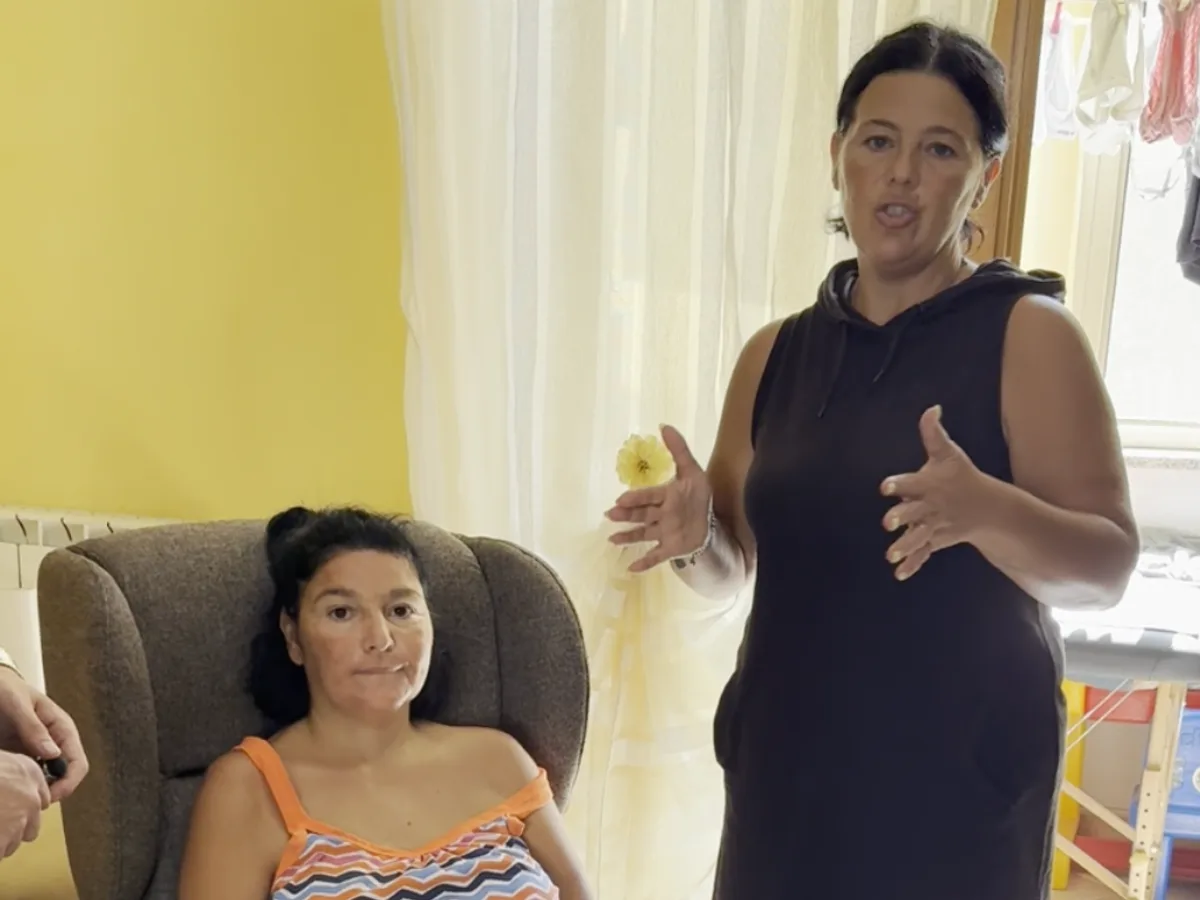
“Jake couldn't follow a conversation with more than two people. He'd get lost in his own neighbourhood. Eighteen months after the accident, everyone said this was his new baseline. After treatment, he started remembering appointments on his own. The headaches went from daily to maybe twice a week. He's functioning again.”
Patient's mother
Severe TBI · USA
Every case is assessed individually by our physician team. Request a consultation to discuss your specific situation with our physician team.
Request ConsultationPatient Cases
Documented treatment outcomes recorded by the BioCells Medical team after personalised regenerative medicine protocols.
Get Started
If you or someone you love is living with the consequences of a traumatic brain injury, our medical team is available for a free, no-obligation medical consultation — based on your injury profile, current neurological status and individual clinical circumstances.
We review every inquiry personally. You will speak with a physician, not an administrator.
Submit your case online or by phone
Our medical consultant contacts you to review your documents
The medical board presents your personalised treatment plan
Request a Consultation
Tell us about your condition. Our medical consultant will contact you within 24 hours to review your documents.
Open Consultation FormMultilingual coordination — English, Italian, French, Russian, Polish
Evidence Base
Our clinical approach is informed by and consistent with published research in the field of regenerative medicine.